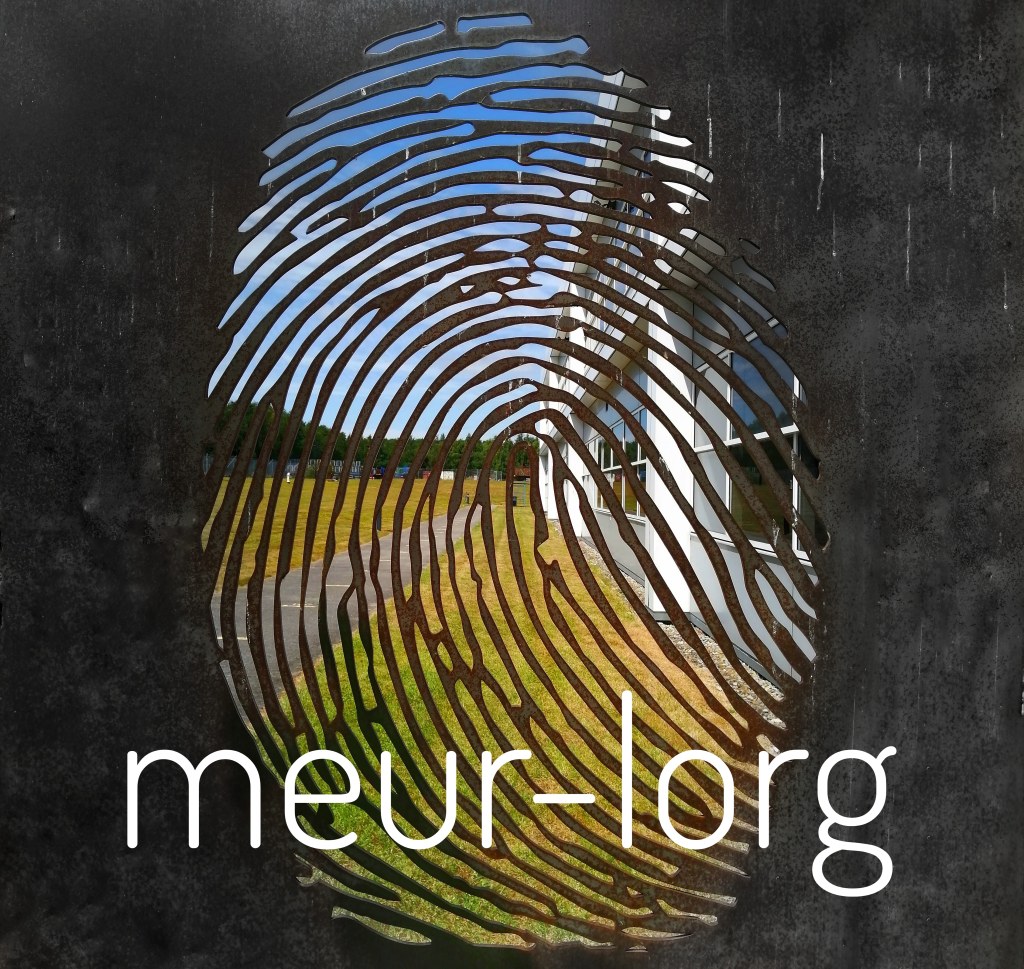
meur-lorg

meur-lorg = fingerprint in Scottish

The word “meur” (finger) comes from the Old Irish “mér” (finger). Irish “méar” and Manx “mair” are cognates.
.l
Photo by @lukaszdaciuk (Instagram)

#dailylogorrhoea #logorrhoea #linguistics #words #languages #focail #teangacha #słowa #języki #sanat #kielet #слова #мови #slova #jazyky #kelimeler #diller
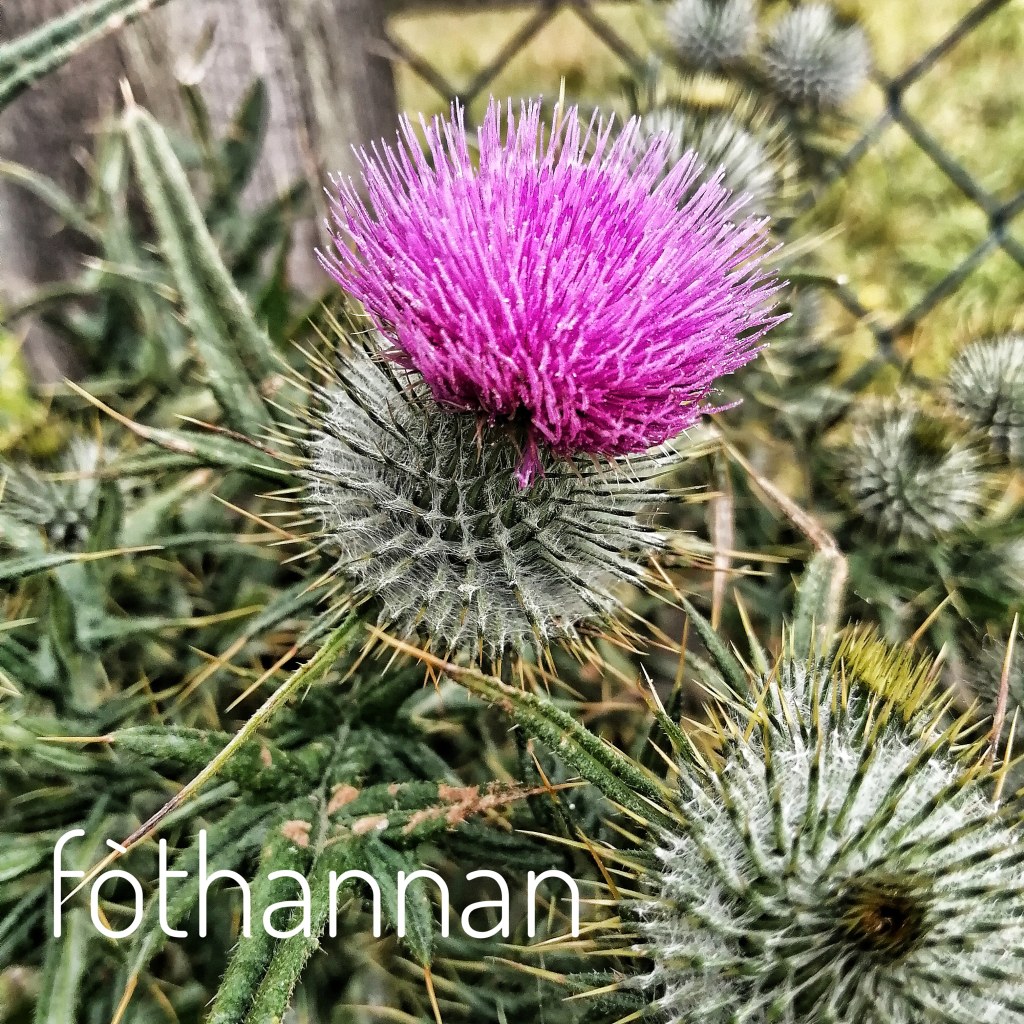
fòthannan

fòthannan = thistle in Scottish

Thistle (it is not sure which variety though) is a floral emblem and a symbol of Scotland. One of the Scottish poems is about the thistle – “A Drunk Man Looks at the Thistle” by Hugh MacDiarmid. Finally there is one of the highest honours you can be awarded with in Scotland – the Most Ancient and Most Noble Order of the Thistle.

Photo by @lukaszdaciuk (Instagram)

#dailylogorrhoea #logorrhoea #linguistics #words #languages #focail #teangacha #słowa #języki #sanat #kielet #слова #мови #slova #jazyky #kelimeler #diller
hudba

hudba = music in Czech & Slovak

Most of European languages use a word borrowed from Greek “μουσικη” {mousike} through the Latin “musica” to describe a bunch of sounds arranged in time in such a way as to produce emotions. Only a few languages retained their native words.

Among the Slavic languages, apart from Czech and Slovak, only two other languages use native words:
hudźba in Upper Sorbian
glasba in Slovene
Old Polish used the word “gędźba” (a cognate of “hudba” and “hudźba”) but Modern Polish abandoned the word altogether.
There is also an archaic word “gudba” in Croatian meaning “string music”.

Other interesting of group of the “non-musical” languages are Celtic languages:
ceol in Irish
ceòl in Scottish
kiaull in Manx
cerddoriaeth in Welsh
sonerezh in Breton

In Germanic languages we have:
tónlist in Icelandic
tónleikur in Faroese
It is worth to remember that the Old English was using “soncræft”.

Photo by @lukaszdaciuk (Instagram)

#dailylogorrhoea #logorrhoea #linguistics #words #languages #focail #teangacha #słowa #języki #sanat #kielet #слова #мови #slova #jazyky #kelimeler #diller
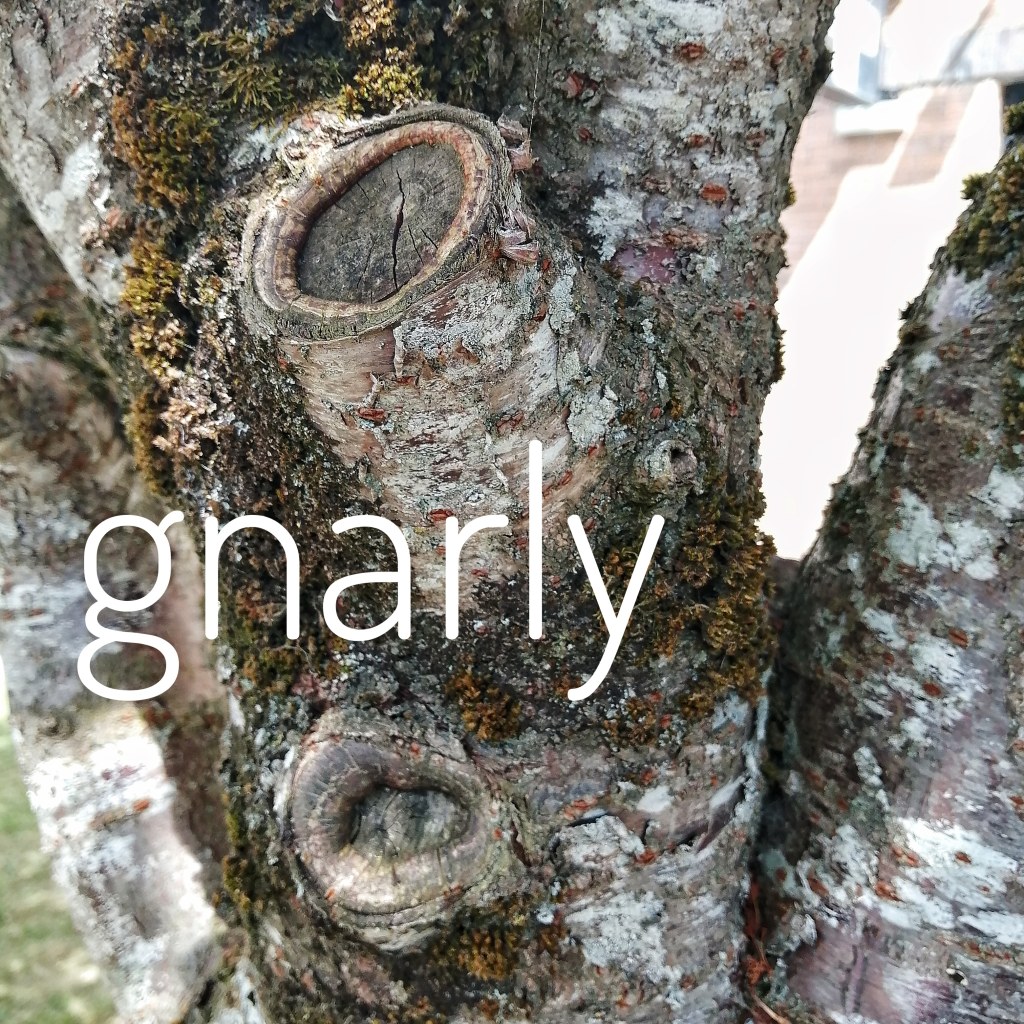
gnarly

gnarly [adj] = 1) having hard knots (about wood); 2) (slang) attractive, excellent; 3) (slang) ugly, unpleasant, difficult, dangerous

It is interesting that the word “gnarly” has two contradictory meanings. In slang it can be used as “good” and as “bad”. To be correctly understood you can use extra-verbal cues.

Photo by @lukaszdaciuk (Instagram)

#dailylogorrhoea #logorrhoea #linguistics #words #languages #focail #teangacha #słowa #języki #sanat #kielet #слова #мови #slova #jazyky #kelimeler #diller
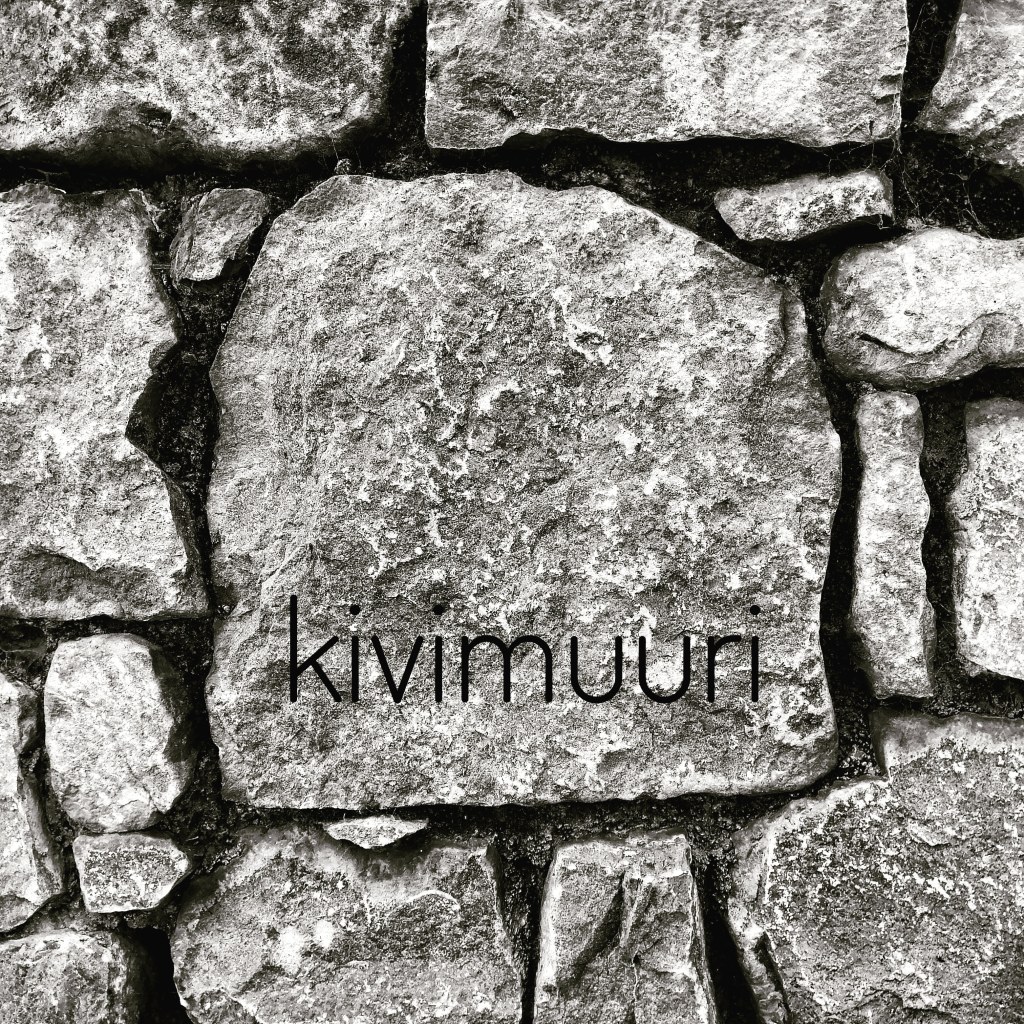
kivimuuri

kivimuuri = stone wall in Finnish

This is a compound word consisting of the native word “kivi” (stone, from the Proto-Finnic *kivi, also meaning stone) and a loanword from Latin “murus” (wall) through Swedish “mur” (wall as a defense structure).

Photo by @lukaszdaciuk (Instagram)

#dailylogorrhoea #logorrhoea #linguistics #words #languages #focail #teangacha #słowa #języki #sanat #kielet #слова #мови #slova #jazyky #kelimeler #diller

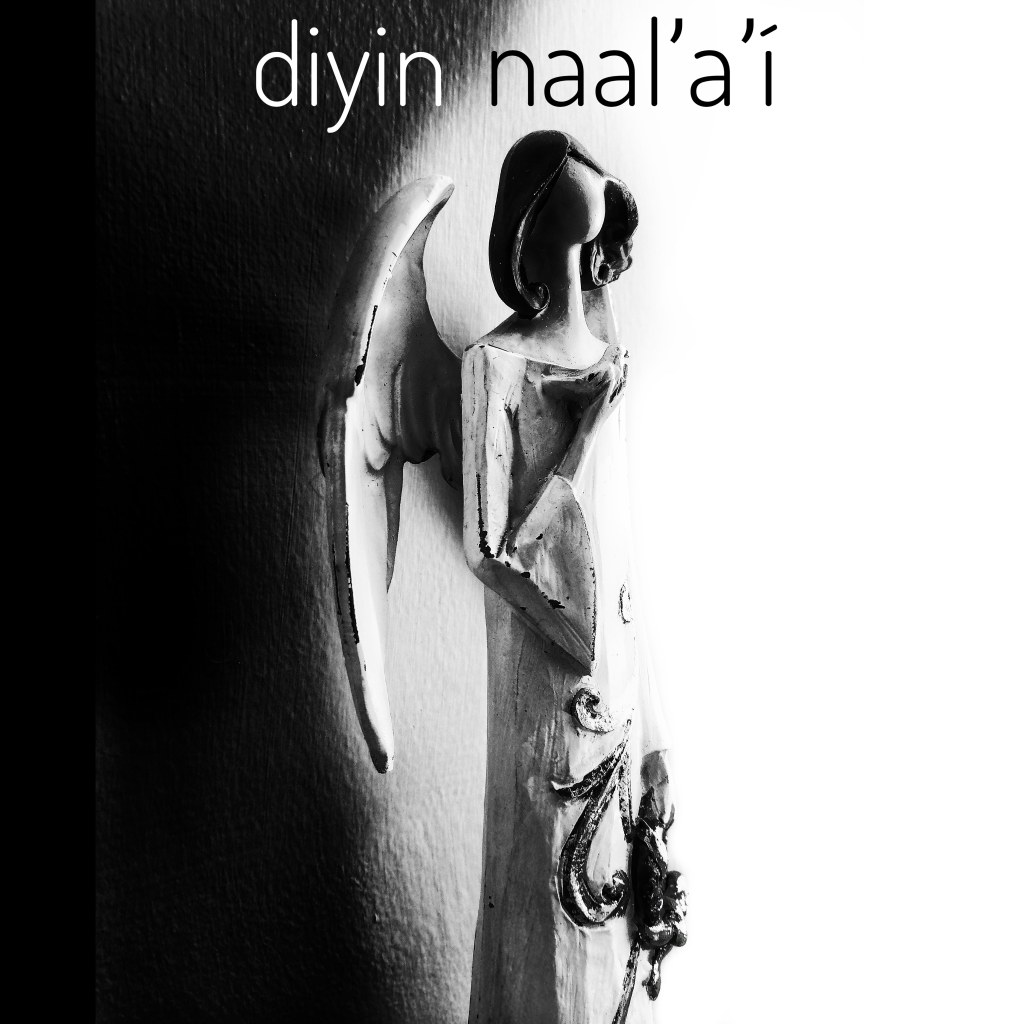
diyin naalʼaʼí

diyin naalʼaʼí = angel in Navajo

The Navajo language is pure poetry. The word “diyin naalʼaʼí” literally means “she/he is holy and he/she is a servant” = “a holy servant”.

Photo by @lukaszdaciuk (Instagram)

#dailylogorrhoea #logorrhoea #linguistics #words #languages #focail #teangacha #słowa #języki #sanat #kielet #слова #мови #slova #jazyky #kelimeler #diller
black

black in English

crn in Croatian
černý in Czech
sort in Danish
zwart in Dutch
musta in Finnish
noir in French
schwarz in German
qernertoq in West Greenlandic
dubh in Irish
nero in Italian
검은 {geomeun} in Korean
niger in Latin
łizhin in Navajo
svart in Norwegian
czarny in Polish
preto in Portuguese
чёрный {čornyj} in Russian
dubh in Scottish
црн in Serbian
čierny in Slovak
črn in Slovene
negro in Spanish
siyah in Turkish
чорний {čornyj} in Ukrainian
du in Welsh
swart in West Frisian

Photo by @lukaszdaciuk (Instagram)

#dailylogorrhoea #logorrhoea #linguistics #words #languages #focail #teangacha #słowa #języki #sanat #kielet #слова #мови #slova #jazyky #kelimeler #diller #blackouttuesday #alllivesmatter #blacklivesmatter #preto #černý #sort #zwart #musta #noir #schwarz #dubh #negro #czarny
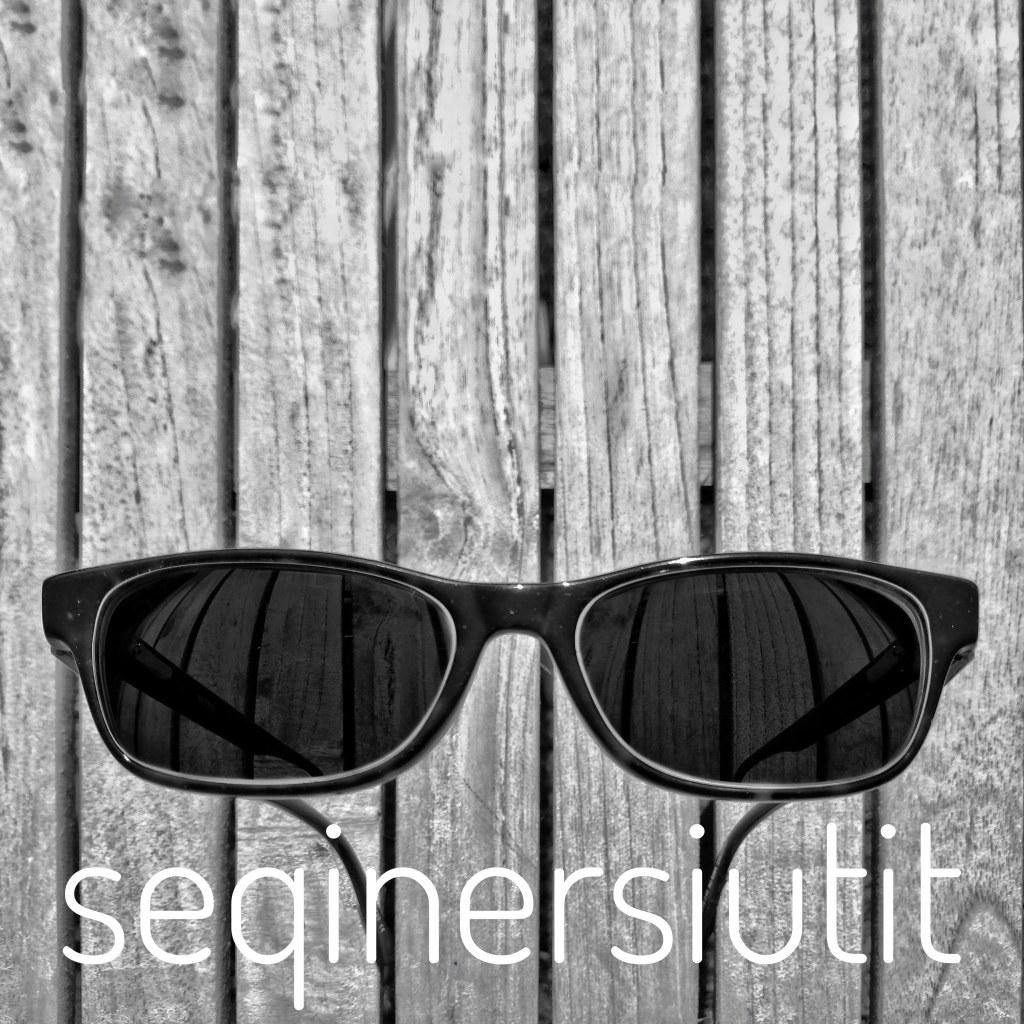
seqinersiutit

seqinersiutit = sunglasses in West Greenlandic

In majority of languages, the name for the frame holding two tinted lenses worn in front of the eyes to protect them against the sun includes the word “sun”. It is no different with the West Greenlandic “seqinersiutit” where “seqineq” means “sun”.

sun > sunglasses in English
aurinko > aurinkolasit in Finnish
sol > solbriller in Danish
zon > zonnebril in Dutch
saulė > saulesbrilles in Lithuanian
słońce > okulary przeciwsłoneczne in Polish
güneş > güneş gözlüğü in Turkish

Photo by @lukaszdaciuk (Instagram)

#dailylogorrhoea #logorrhoea #linguistics #words #languages #focail #teangacha #słowa #języki #sanat #kielet #слова #мови #slova #jazyky #kelimeler #diller
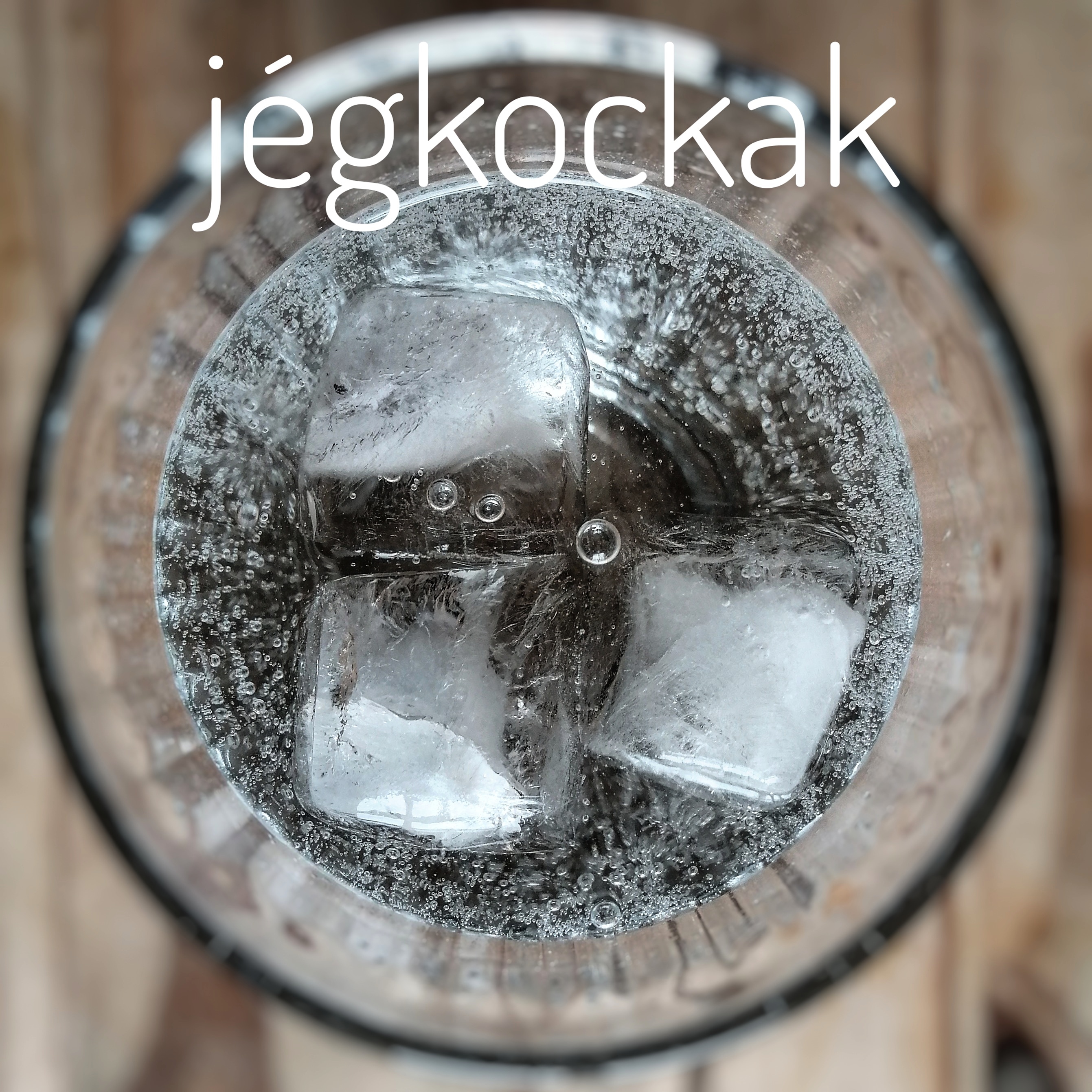
jégkockak

jégkockak = ice cubes in Hungarian

The word “jégkocka” (ice cube) is a compound word consisting of the Proto-Uralic word *jäŋe (ice) and the loanword from Slavic languages.

The word “jég” is a cognate with the Finnish & Estonian “jää” (ice). The Hungarian word “kocka” (cube, dice, square) is “kocka” in Slovak & Croatian (cube, dice), “коцка” {kocka} (cube, dice) in Serbian and “kocka” (dice) in Slovene.

Photo by @lukaszdaciuk (Instagram)

#dailylogorrhoea #logorrhoea #linguistics #words #languages #focail #teangacha #słowa #języki #sanat #kielet #слова #мови #slova #jazyky #kelimeler #diller

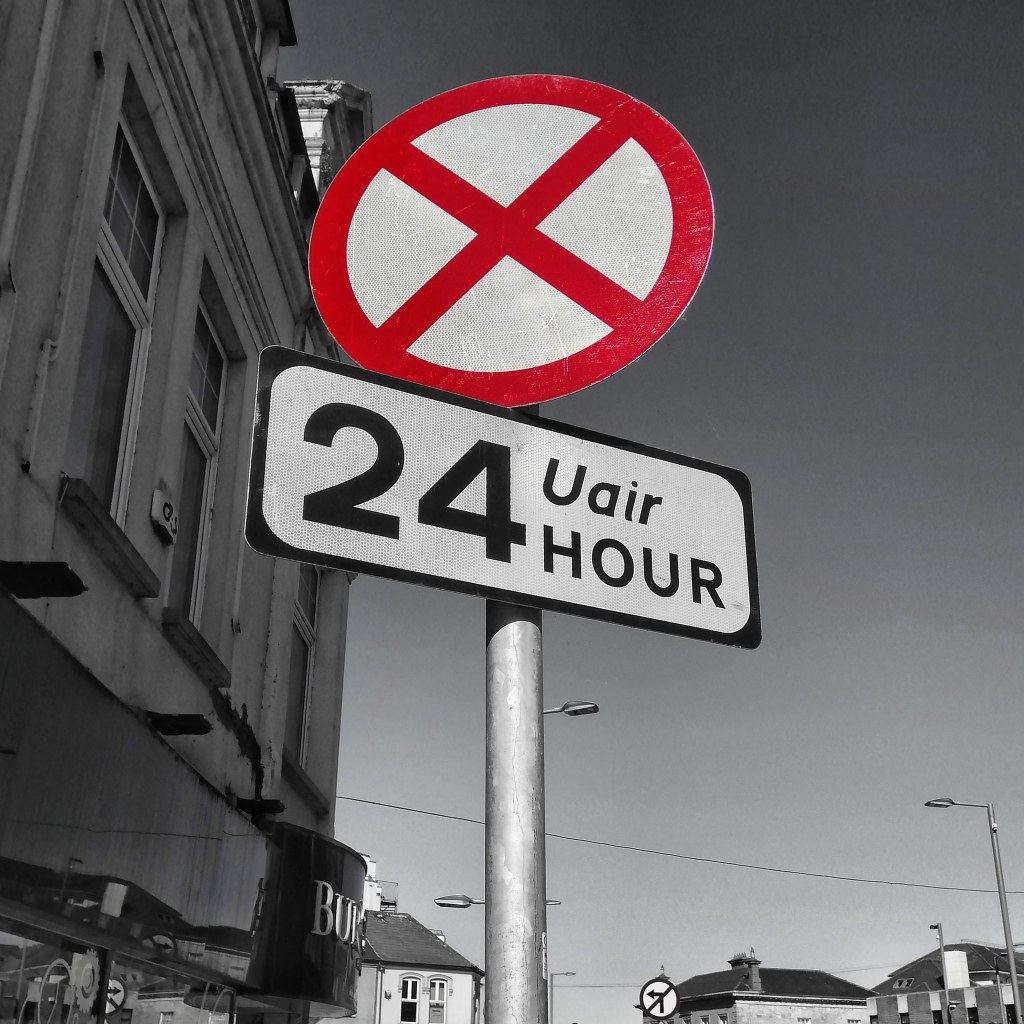
uair

uair = hour; time, instance, occurrence in Irish

The Irish “uair” comes from the Old Irish “úar” which in turn comes from the Latin “hora” which in turn comes from the Ancient Greek ωρα {hora}. All related with time.

In most (if not all) Romance, Germanic and Albanian languages, the words “hour” come from the Latin “hora”.

Photo by @lukaszdaciuk (Instagram)

#dailylogorrhoea #logorrhoea #linguistics #words #languages #focail #teangacha #słowa #języki #sanat #kielet #слова #мови #slova #jazyky #kelimeler #diller