
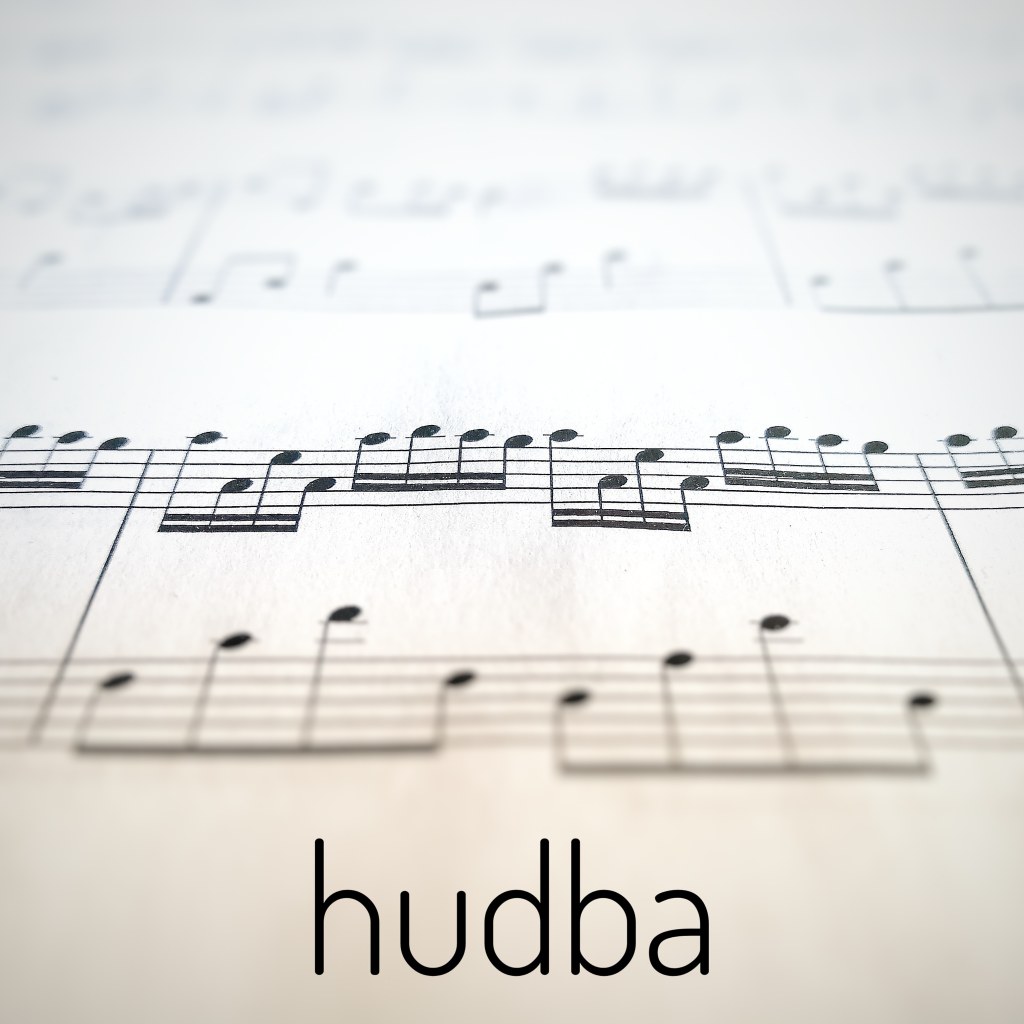
hudba = music in Czech & Slovak
Most of European languages use a word borrowed from Greek “μουσικη” {mousike} through the Latin “musica” to describe a bunch of sounds arranged in time in such a way as to produce emotions. Only a few languages retained their native words.
Among the Slavic languages, apart from Czech and Slovak, only two other languages use native words:
hudźba in Upper Sorbian
glasba in Slovene
Old Polish used the word “gędźba” (a cognate of “hudba” and “hudźba”) but Modern Polish abandoned the word altogether.
There is also an archaic word “gudba” in Croatian meaning “string music”.
Other interesting of group of the “non-musical” languages are Celtic languages:
ceol in Irish
ceòl in Scottish
kiaull in Manx
cerddoriaeth in Welsh
sonerezh in Breton
In Germanic languages we have:
tónlist in Icelandic
tónleikur in Faroese
It is worth to remember that the Old English was using “soncræft”.
Photo by @lukaszdaciuk (Instagram)
#dailylogorrhoea #logorrhoea #linguistics #words #languages #focail #teangacha #słowa #języki #sanat #kielet #слова #мови #slova #jazyky #kelimeler #diller
 Daily Logorrhoea