
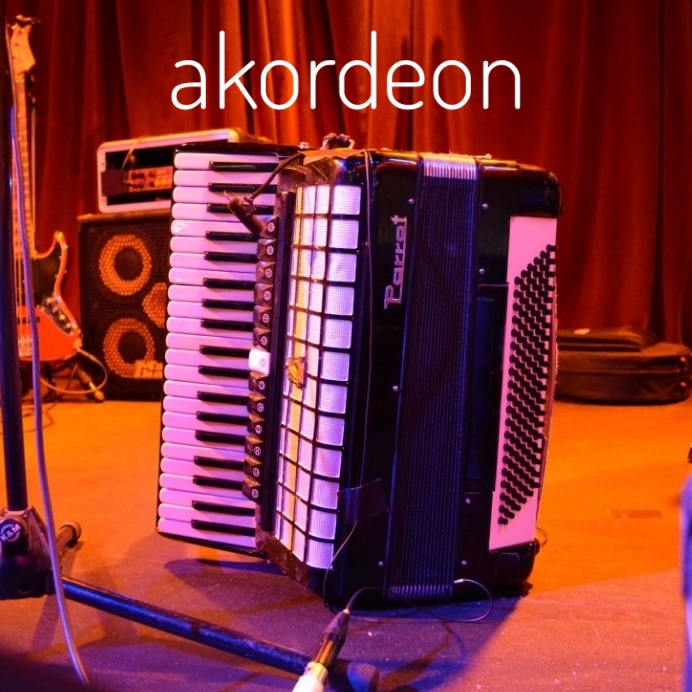
akordeon = accordion in Polish
Photo by @lukaszdaciuk (Instagram)
#dailylogorrhoea #logorrhoea #linguistics #words #languages #focail #teangacha #słowa #języki #sanat #kielet #слова #мови #slova #jazyky #kelimeler #diller
akordeon = accordion in Polish
Photo by @lukaszdaciuk (Instagram)
#dailylogorrhoea #logorrhoea #linguistics #words #languages #focail #teangacha #słowa #języki #sanat #kielet #слова #мови #slova #jazyky #kelimeler #diller
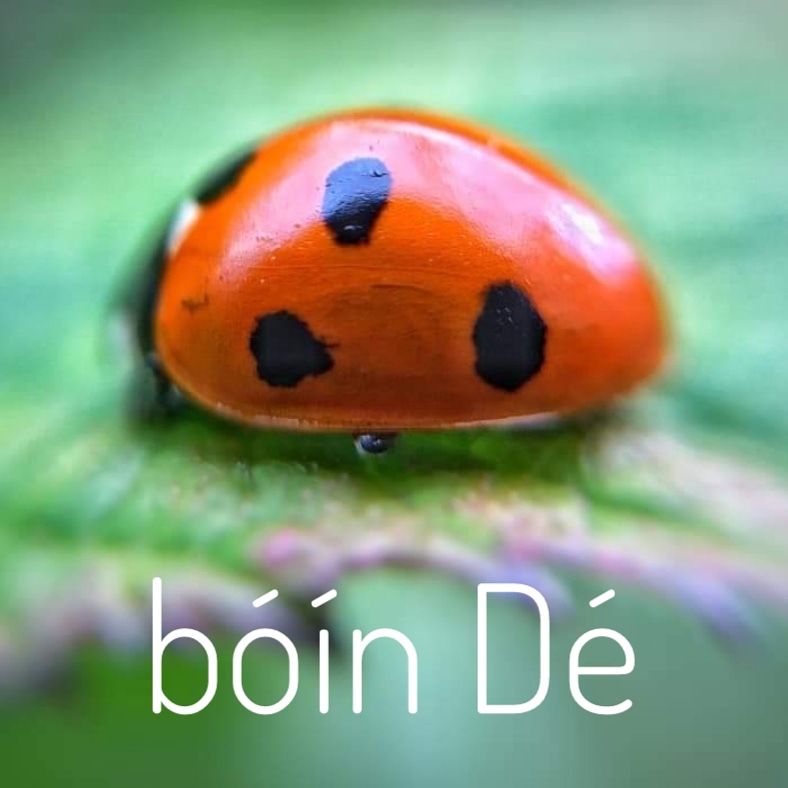
bóín Dé = ladybird in Irish
Irish “bóín Dé” literally means “a small cow of God” which reminds me of Polish regional term for “ladybird” – “boża krówka” which literally means “a God’s small cow”.
Photo by @lukaszdaciuk (Instagram)
#dailylogorrhoea #logorrhoea #linguistics #words #languages #focail #teangacha #słowa #języki #sanat #kielet #слова #мови #slova #jazyky #kelimeler #diller
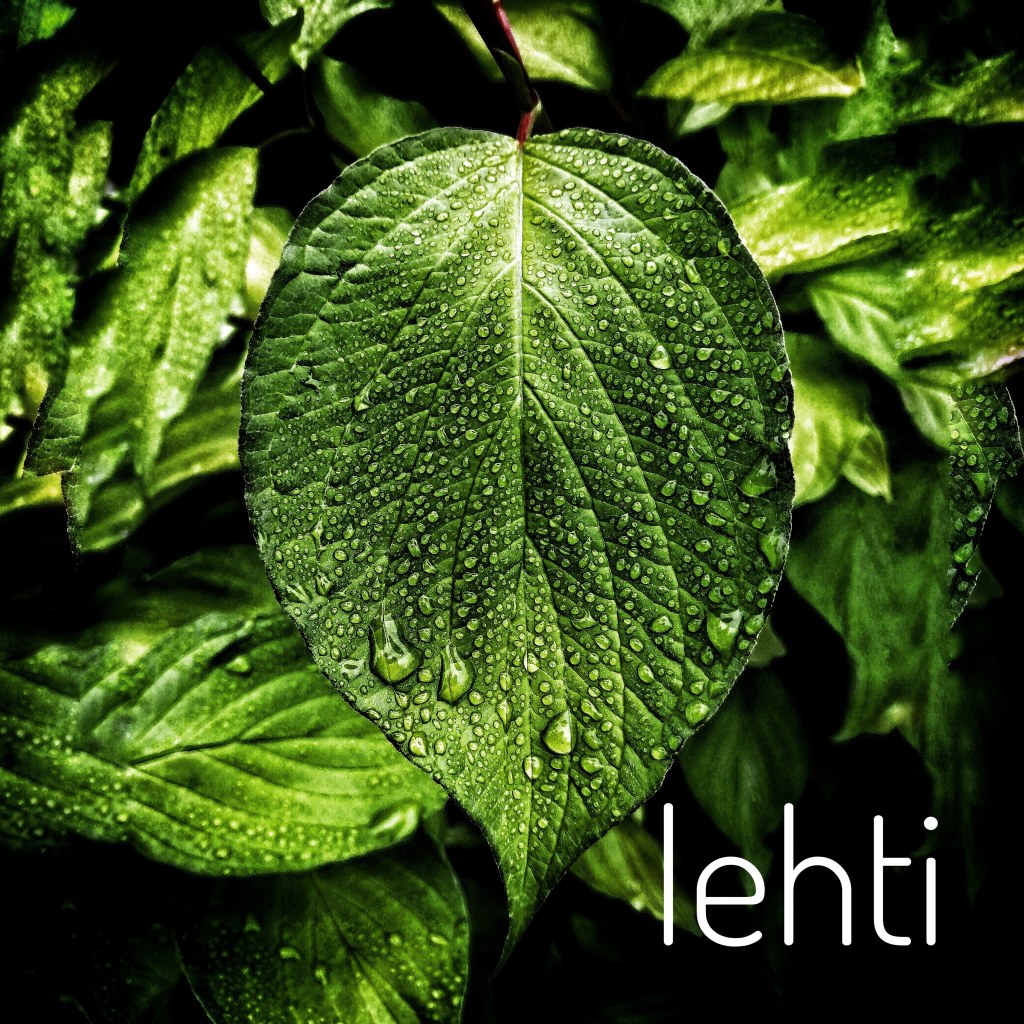
lehti = leaf in Finnish
The word “lehti” means also “page” and “newspaper”.
Photo by @lukaszdaciuk (Instagram)
#dailylogorrhoea #logorrhoea #linguistics #words #languages #focail #teangacha #słowa #języki #sanat #kielet #слова #мови #slova #jazyky #kelimeler #diller
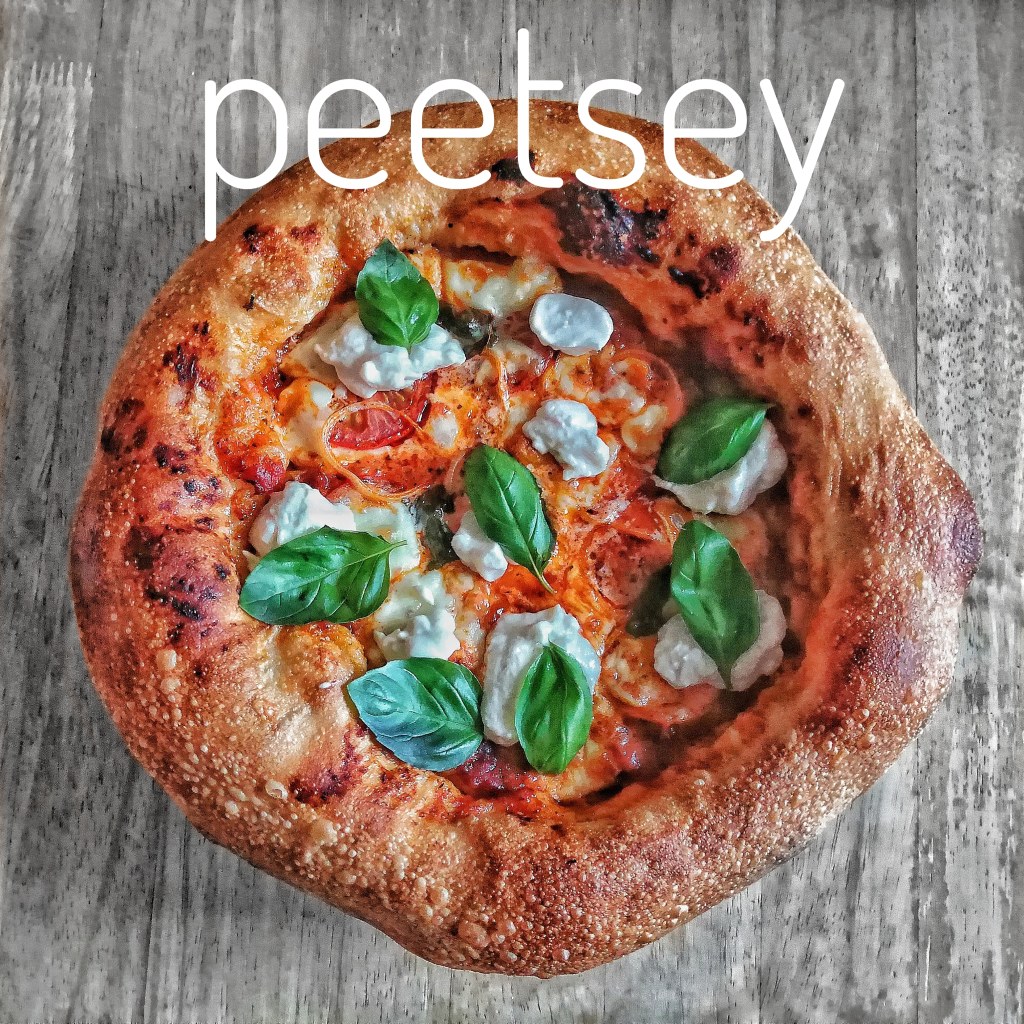
peetsey = pizza in Manx
Photo by @lukaszdaciuk (Instagram)
#dailylogorrhoea #logorrhoea #linguistics #words #languages #focail #teangacha #słowa #języki #sanat #kielet #слова #мови #slova #jazyky #kelimeler #diller
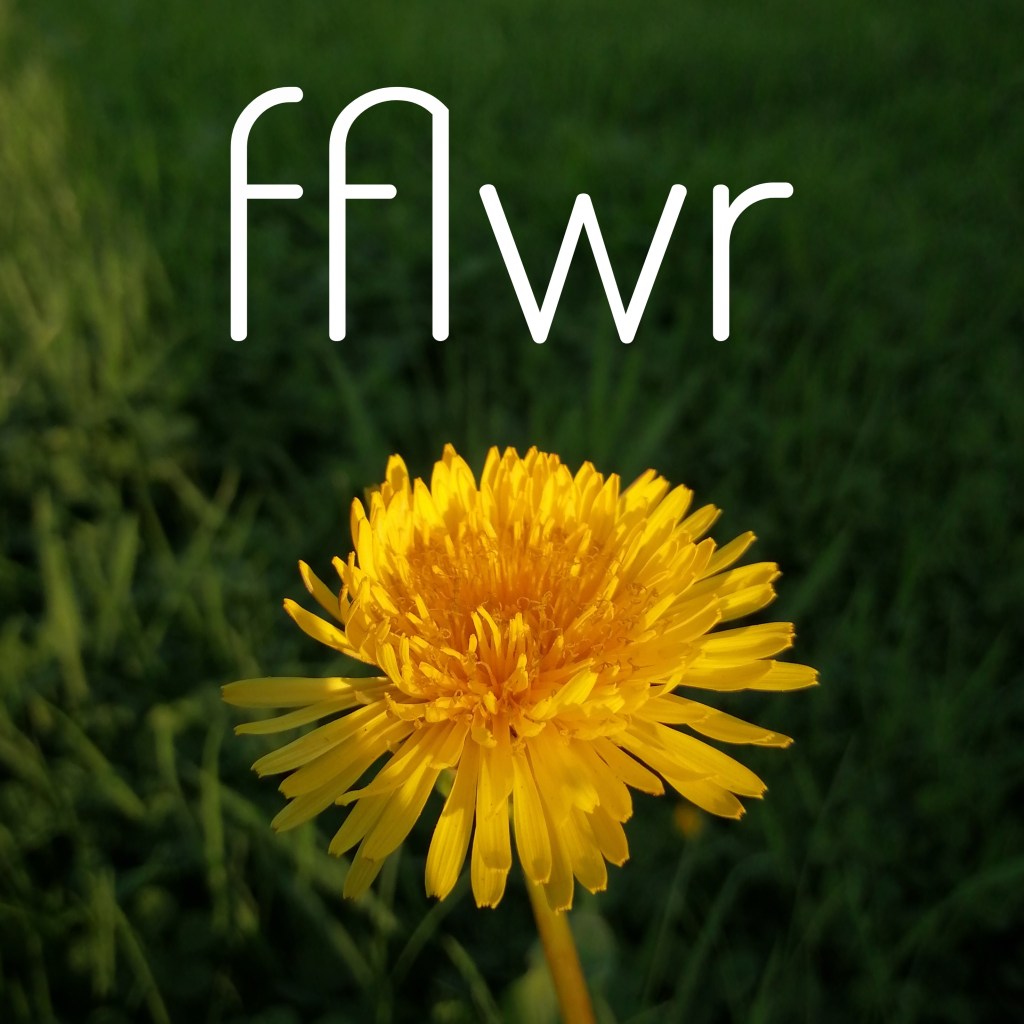
fflwr = flower in Welsh
Photo by @lukaszdaciuk (Instagram)
#dailylogorrhoea #logorrhoea #linguistics #words #languages #focail #teangacha #słowa #języki #sanat #kielet #слова #мови #slova #jazyky #kelimeler #diller
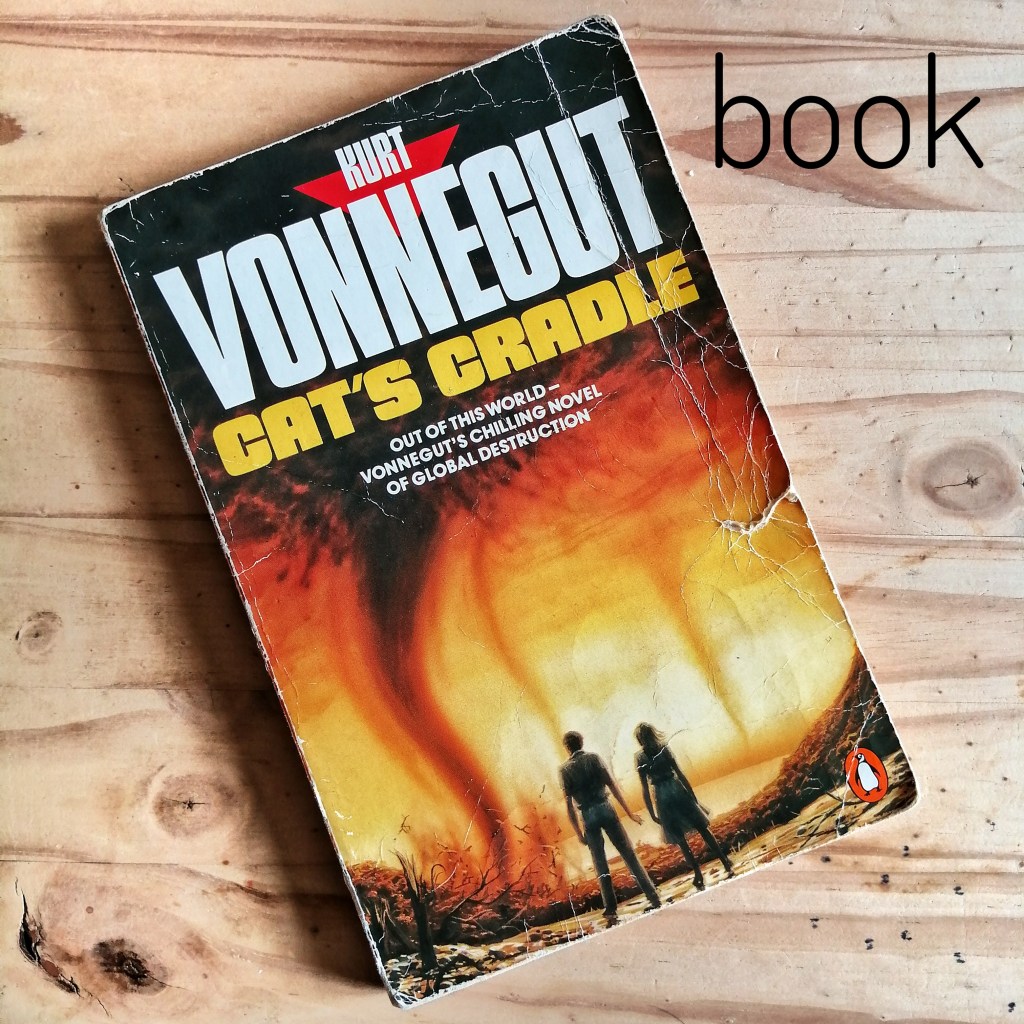
book = a collection of printed pages bound together in English
What do English “book”, German “Buch”, Dutch “boek”, Danish “bog”, Icelandic “bók”, Norwegian & Swedish “bok”, all meaning “book”, have in common with the Slavic “buk” (Polish, Czech, Slovak, Lower Sorbian, Upper Sorbian, Croatian), “bukev” (Slovene), “бук” {buk} (Russian, Belarussian, Ukrainian, Serbian, Bulgarian) and “букa” {buka} (Macedonian), meaning “beech”?
Well, they are cognates. They all come from the Proto-Indo-European *bʰehǵos (beech).
In Germanic languages the meaning change from “beech” to “book” is explained by the fact that smooth beech bark was commonly used as parchment.
*bʰehǵos (beech) in PIE > *bōkō (beech), *bōks (beech, book) in Proto-Germanic > *bōkijā (beech) in Proto-West-Germanic, “bók” (beech, book) in Old Norse > “book” / “beech” in English, “Buch” / “Buche” in German, “boek” / “beuk” in Dutch, “bog” / “bøg” in Danish, “bók” / “beyki” in Icelandic, “bok” / “bøk” in Norwegian and “bok” / “bok” in Swedish.
In Slavic languages the path was as follows:
*bʰehǵos (beech) in PIE > *bōkō (beech) in Proto-Germanic > *bukъ (beech) in Proto-Slavic > “buk” in Polish, Czech, Slovak, Lower Sorbian, Upper Sorbian, Croatian, “bukev” in Slovene, “бук” {buk} in Russian, Belarussian, Ukrainian, Serbian, Bulgarian and “букa” {buka} in Macedonian
Photo by @lukaszdaciuk (Instagram)
#dailylogorrhoea #logorrhoea #linguistics #words #languages #focail #teangacha #słowa #języki #sanat #kielet #слова #мови #slova #jazyky #kelimeler #diller

mama qucha = sea in Quechua
Etymology: “mama” (mother) + “qucha” (lake)
My first contact with the Quechua language was back in the 90s, well before the internet era, when I bought in an antiquarian bookshop an old student book on Quechua. My eyes were wide with amazement. First time in my life I thought that to learn a language within the same language family as your native language is a piece of cake but to learn a language that is linguistically much more distant is a real achievement and would need a change in thinking.
Photo by @lukaszdaciuk (Instagram)
#dailylogorrhoea #logorrhoea #linguistics #words #languages #focail #teangacha #słowa #języki #sanat #kielet #слова #мови #slova #jazyky #kelimeler #diller
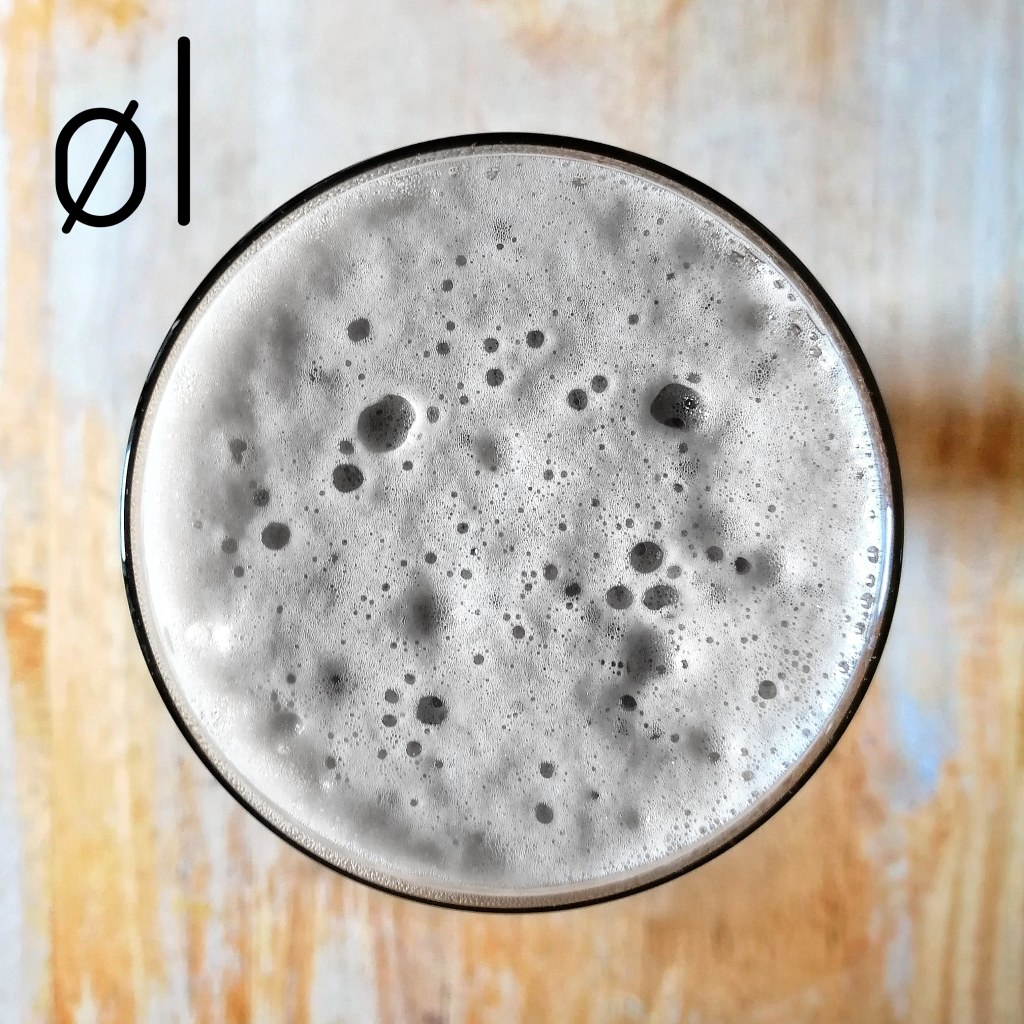
øl = beer in Danish
The word “øl” comes from the Proto-Germanic *alu (beer).
*alu > ᚨᛚᚢ {alu} in Norse > ǫl in Old Norse > öl in Icelandic, Swedish, Elfdalian, Gutnish and øl in Faroese, Norwegian, Danish
Cognates:
ale in English
aal in Dutch (ale)
alus in Latvian (beer)
The Finnic languages borrowed the word from the Proto-Germanic *alu or Proto-Balto-Slavic *alu.
olut in Finnish, Ingrian, Karelian, Veps
õlu in Estonian
oluq in Võro
õlud in Votic
Photo by @lukaszdaciuk (Instagram)
#dailylogorrhoea #logorrhoea #linguistics #words #languages #focail #teangacha #słowa #języki #sanat #kielet #слова #мови #slova #jazyky #kelimeler #diller
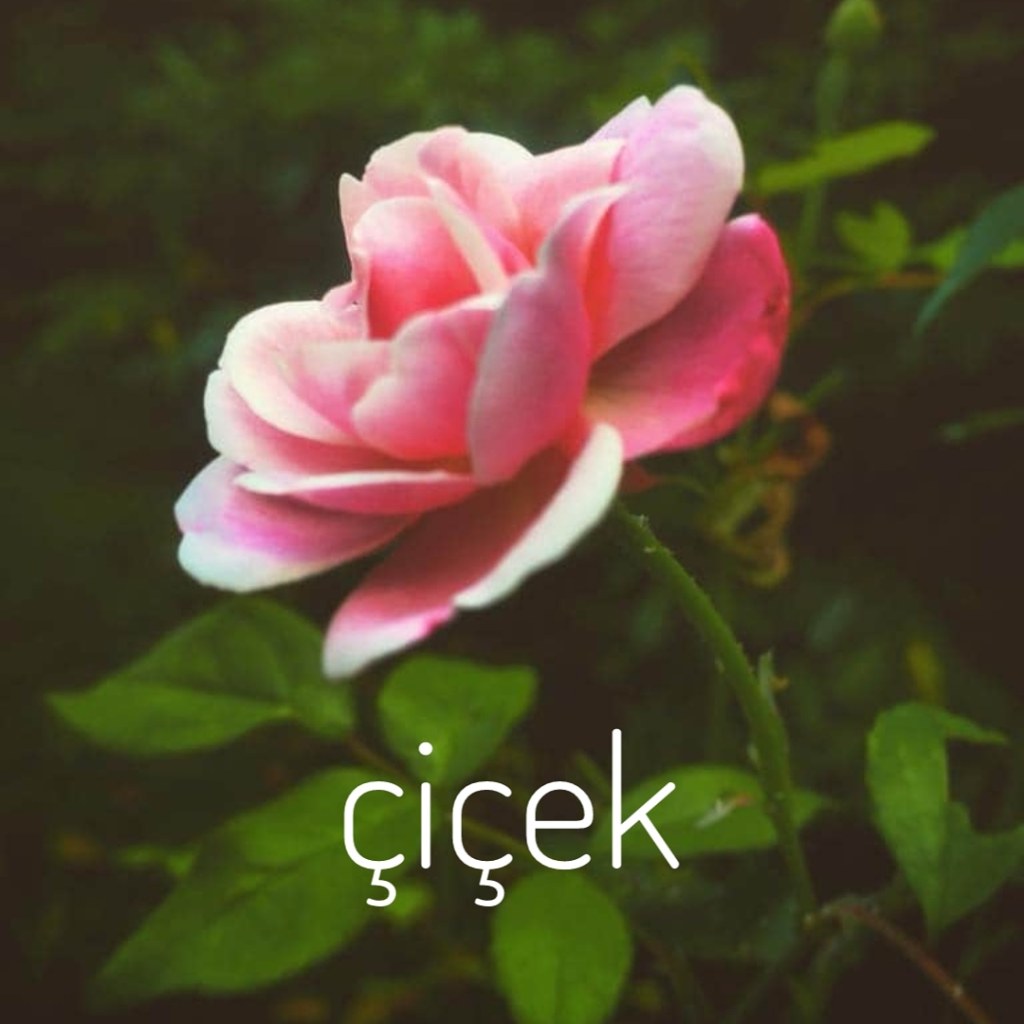
çiçek = flower in Turkish
The most amazing thing about learning languages is that if you learn one langauge it will open doors to a dozen of other languages.
The word “çiçek” comes from Proto-Turkic *čeček just like…
çiçək in Azerbaijani
сәскә {säskä} in Bashkir
ҫеҫке {śeśke} in Chuvash
şeşek in Crimean Tatar
шешек {şeşek} in Kazakh
чечек {čeček} in Kumyk, Southern Altai & Tuvan
цэцэг {tsetseg} in Mongolian
чәчәк {çäçäq} in Tatar
сяська {sjasʹka} in Udmurt
چېچەك {chëchek} in Uyghur
chechak in Uzbek
чэчик {çeçik} in Yakut
Photo by @lukaszdaciuk (Instagram)
#dailylogorrhoea #logorrhoea #linguistics #words #languages #focail #teangacha #słowa #języki #sanat #kielet #слова #мови #slova #jazyky #kelimeler #diller

snagcheol = jazz in Irish
Most languages borrowed a name for the musical art called “jazz” from the English language:
dżez, jazz in Polish
djass in Icelandic
τζαζ {tzaz} in Greek
ジャズ {jazu} in Japanese
재즈 {jaejeu} in Korean
džiazas in Lithuanian
джаз {džaz} in Russian
caz in Turkish
jatsi, jazz in Finnish
jas, jazz in Welsh
jazz in Danish, Dutch, French, Spanish, Portugues, Italian.
But Irish decided to invent their own term “snagcheol”. They combined two words “snag” (gasp of breath; hiccup) and “ceol” (music).
With other music genres they were less poetic and more literal:
rac-cheol = rock music
popcheol = pop music
ceol trom-mhiotalach, miotal trom = heavy metal music
teicnicheol = techno
anamcheol, ceol sól = soul music
blues na gormacha, gormacha = blues
Photo by Francis Wolff for the cover of one of my favourite jazz albums “Moanin'” by Art Blakey and the Jazz Messengers published by Blue Note in 1959.
#dailylogorrhoea #logorrhoea #linguistics #words #languages #focail #teangacha #słowa #języki #sanat #kielet #слова #мови #slova #jazyky #kelimeler #diller
 Daily Logorrhoea