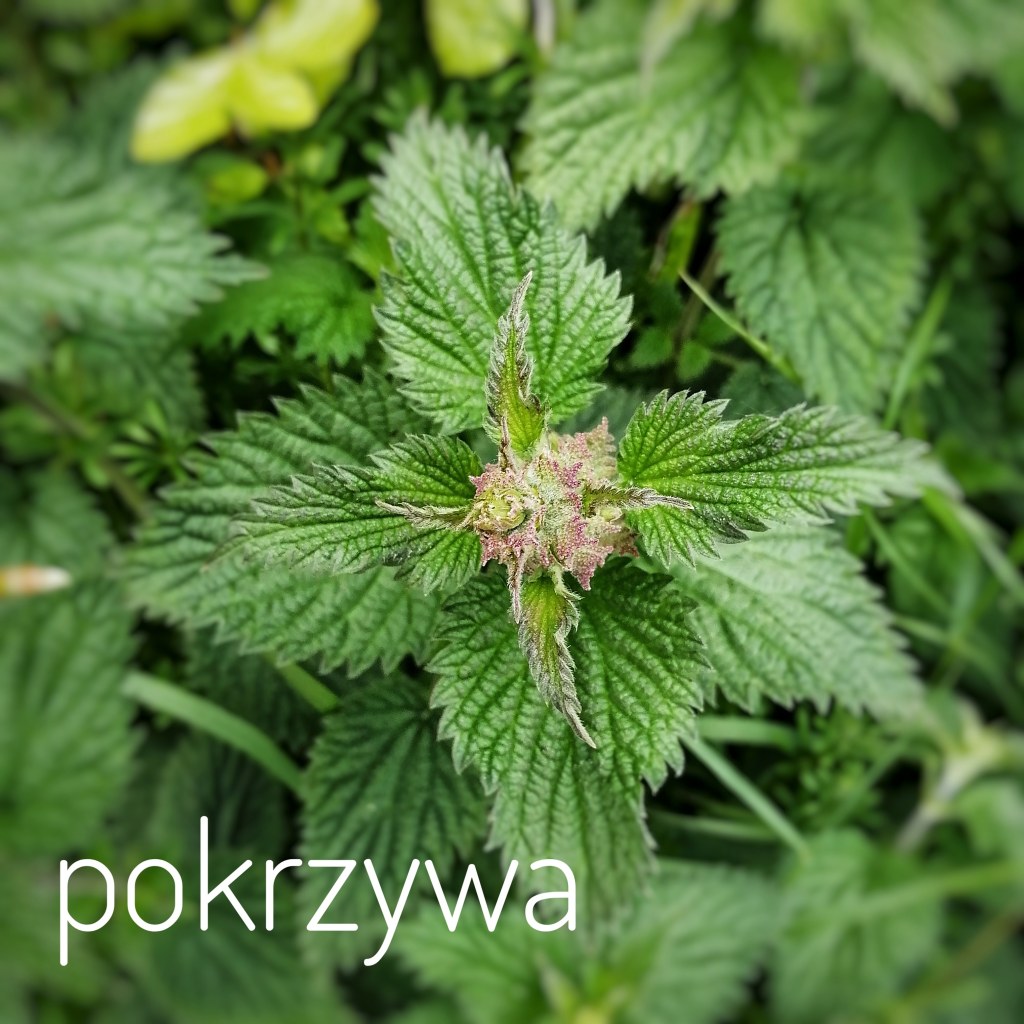
pokrzywa

pokrzywa [n] = nettle in Polish

The word “nettle” in all Slavic languages comes from the Proto-Slavic “kopriva” but in Polish the letters “k” and “p” got swapped over.

kopřiwa in Upper Sorbian
kopśiwa in Lower Sorbian
kopřiva in Czech
kópriva (dialectal) in Slovak (standard: žihľava)
kopriva in Slovene & Croatian
коприва {kopriva} in Serbian, Bulgarian & Macedonian
крапива {krapiva} in Russian
крапіва {krapiva} in Belarusian
кропива {kropyva} in Ukrainian

Photo by @lukaszdaciuk (Instagram)

#dailylogorrhoea #logorrhoea #linguistics #words #languages #focail #teangacha #słowa #języki #sanat #kielet #слова #мови #slova #jazyky #kelimeler #diller
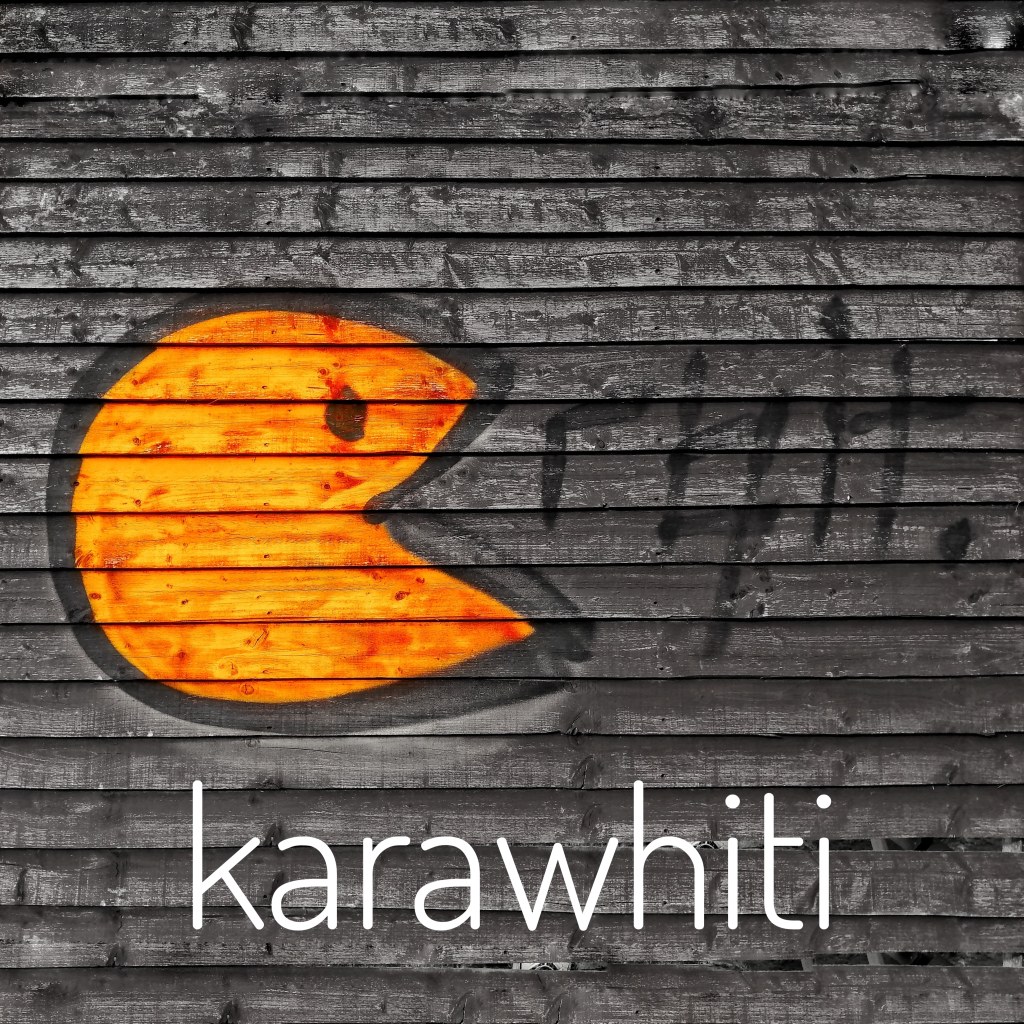
karawhiti

karawhiti [n] = graffiti in Māori

It may not be obvious at first but “karawhiti” is a loanword from English. All thanks to a rather small phonetic inventory of that beautiful Eastern Polynesian language, called also “te reo” (the language).

PS: The word “karawhiti” can be also a verb and then it means “to be uneven, irregular” or “to assemble, form up”.

Photo by @lukaszdaciuk (Instagram)

#dailylogorrhoea #logorrhoea #linguistics #words #languages #focail #teangacha #słowa #języki #sanat #kielet #слова #мови #slova #jazyky #kelimeler #diller
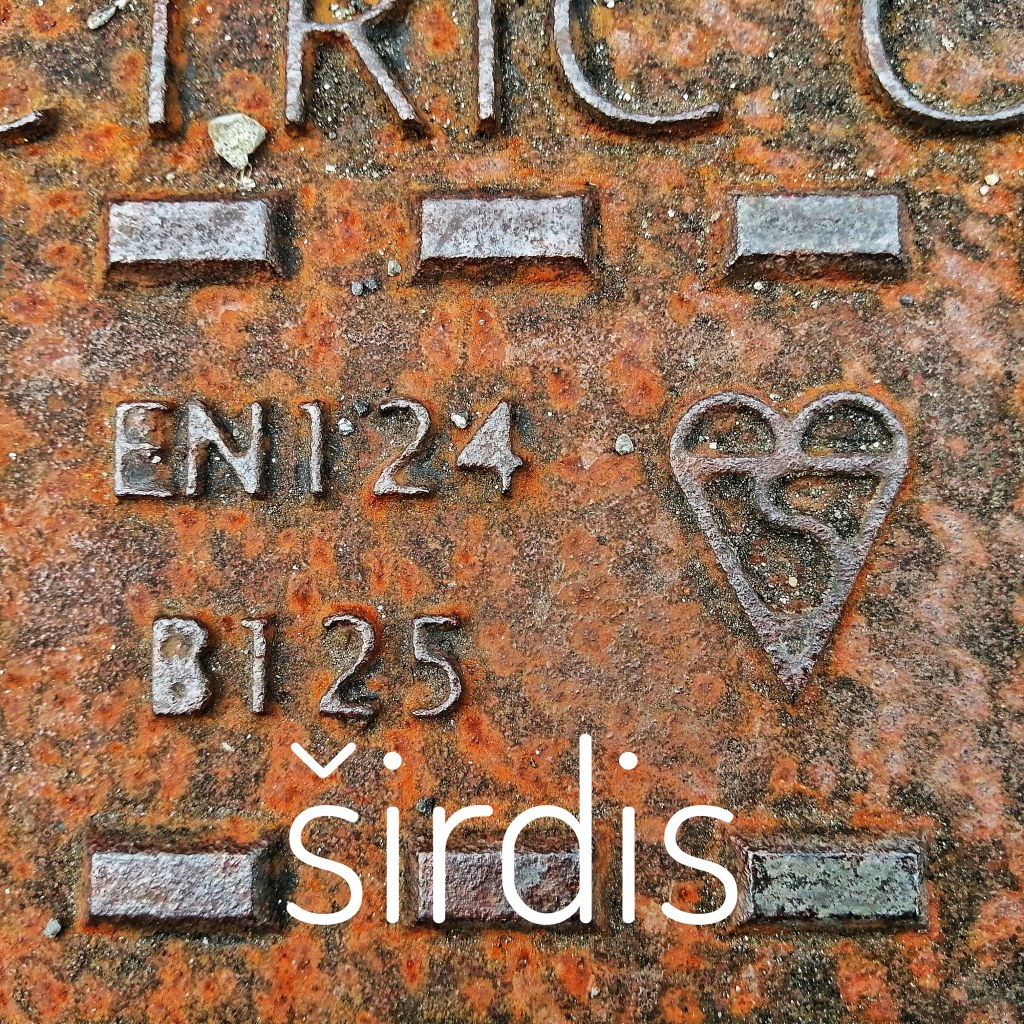
širdis

širdis = heart in Lithuanian

Lithuanian and Latvian are Baltic (B) languages and they are like cousins to Slavic (S) languages. Both groups come from the common Proto-Balto-Slavic (PBS) language but Baltic languages (especially Lithuanian) retained more archaic features than Slavic languages.

śirdís in (PBS)
širdis in Lithianian (B)
sir̂ds in Latvian (B)
srdce in Czech, Slovak (S)
serce in Polish (S)
сердце {serdce} in Russian (S)
серце {serce} in Ukrainian (S)
serce in Polish (S)
сърце {sǎrce} in Bulgarian (S)
срце {srce} in Serbian (S)
srce in Croatian (S)

Photo by @lukaszdaciuk (Instagram)

#dailylogorrhoea #logorrhoea #linguistics #words #languages #focail #teangacha #słowa #języki #sanat #kielet #слова #мови #slova #jazyky #kelimeler #diller
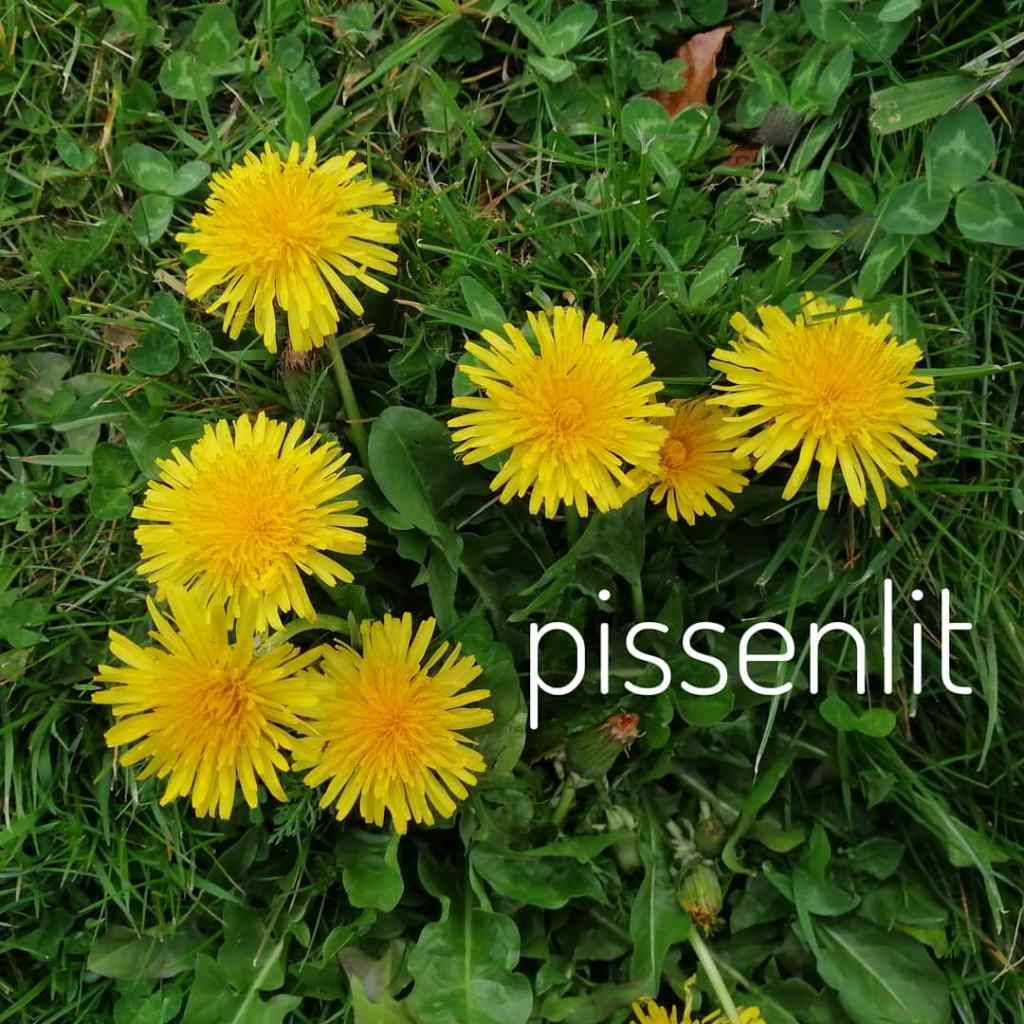
pissenlit

pissenlit [m] = dandelion in French

This words comes from “pisse en lit” (to urinate in a bed) and reflects diuretic properties of the dandelion. French speaking part of Switzerland uses a word “dent-de-lion” but it is obsolete everywhere else. English has a similar word for “dandelion” – “pissabed” (also “piss-the-bed”).

Photo by @lukaszdaciuk (Instagram)

#dailylogorrhoea #logorrhoea #linguistics #words #languages #focail #teangacha #słowa #języki #sanat #kielet #слова #мови #slova #jazyky #kelimeler #diller
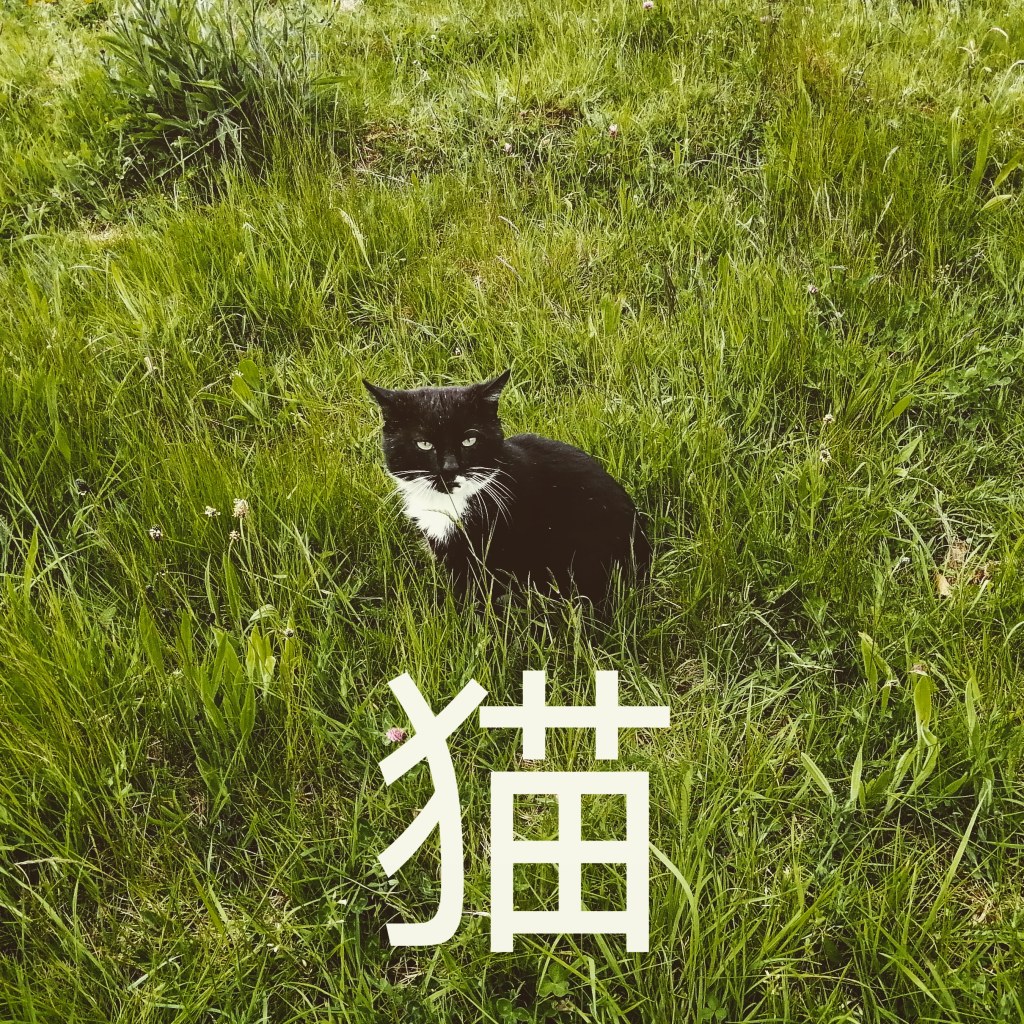
猫 {māo} [n] (simplified) = cat in Chinese Mandarin

The Chinese word 猫 consists of three radicals 犭{quǎn} (dog), 艹 {cǎo} (grass) and 田 {tián} (field). If you put “a dog at a grassy field” you will get “a cat”.

Photo by @lukaszdaciuk (Instagram)

#dailylogorrhoea #logorrhoea #linguistics #words #languages #focail #teangacha #słowa #języki #sanat #kielet #слова #мови #slova #jazyky #kelimeler #diller
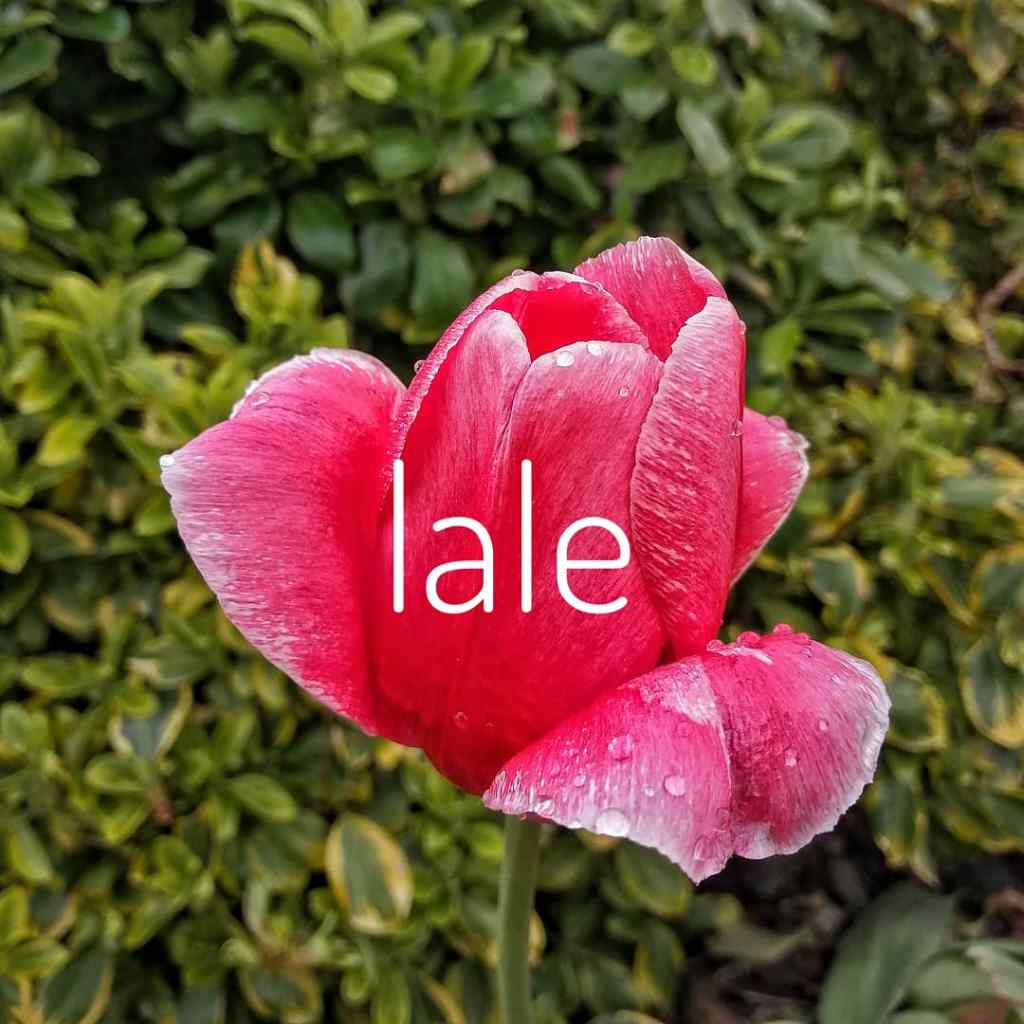
lale

lale = tulip in Albanian

Both words – “lale” and “tulip” – come from Turkish. What is interesting Ottoman Turkish borrowed word “lale” from Persian. That means that this word travelled from Indo-European language to Turkic and back to some Indo-European languages.

{lâle} (Persian – Indo-European language) > {lale} (Ottoman Tukish – Turkic language) > lale (Albanian – Indo-European language)

Other Indo-European languages that borrowed from Ottoman Turkish:
lalea (Romanian)
laleé (Aromanian)
лала {lala} (Serbian)
лале {lale} (Bulgarian, Macedonian)
λαλές {lales} (Greek)

Photo by @lukaszdaciuk (Instagram)

#dailylogorrhoea #logorrhoea #linguistics #words #languages #focail #teangacha #słowa #języki #sanat #kielet #слова #мови #slova #jazyky #kelimeler #diller
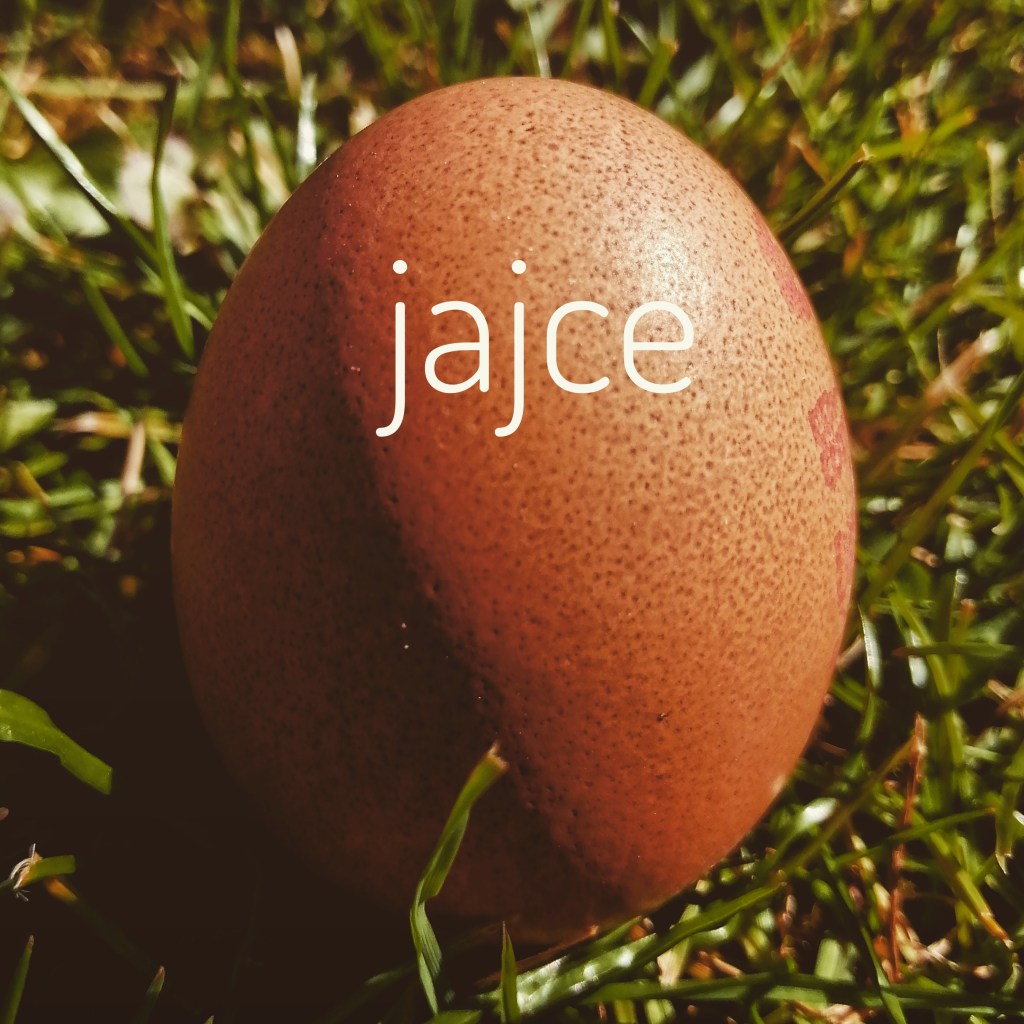
jajce

jajce [n] = egg in Slovene

The word “egg” in all Indo-European languages comes from the same Proto-Indo-European word but they are so different now.
Slavic languages: яйце {jajce} (Ukrainian, Bulgarian), яйцо {jajco} (Russian, Belarusian), jajце {jajce} (Serbian, Macedonian), jajko/jajo (Polish), vajce (Slovak), vejce (Czech), jajo (Lower Sorbian), jejo (Upper Sorbian)
Celtic languages: ubh (Irish, Scottish), wy (Welsh), vi (Breton)
Germanic languages: egg (English, Norwegian, Icelandic, Faroese), ägg (Swedish), æg (Danish), Ei (German), ei (Dutch), aei/aai (West Frisian)
Romance languages: ovum (Latin), œuf (French), ovo (Portuguese), uovo (Italian), huevo (Spanish), ou (Romanian)
Hellenic: αβγo {avgo} (Greek)
Other: आँड़ {ā̃ṛ} (Hindi), ve (Albanian)

Photo by @lukaszdaciuk (Instagram)

#dailylogorrhoea #logorrhoea #linguistics #words #languages #focail #teangacha #słowa #języki #sanat #kielet #слова #мови #slova #jazyky #kelimeler #diller
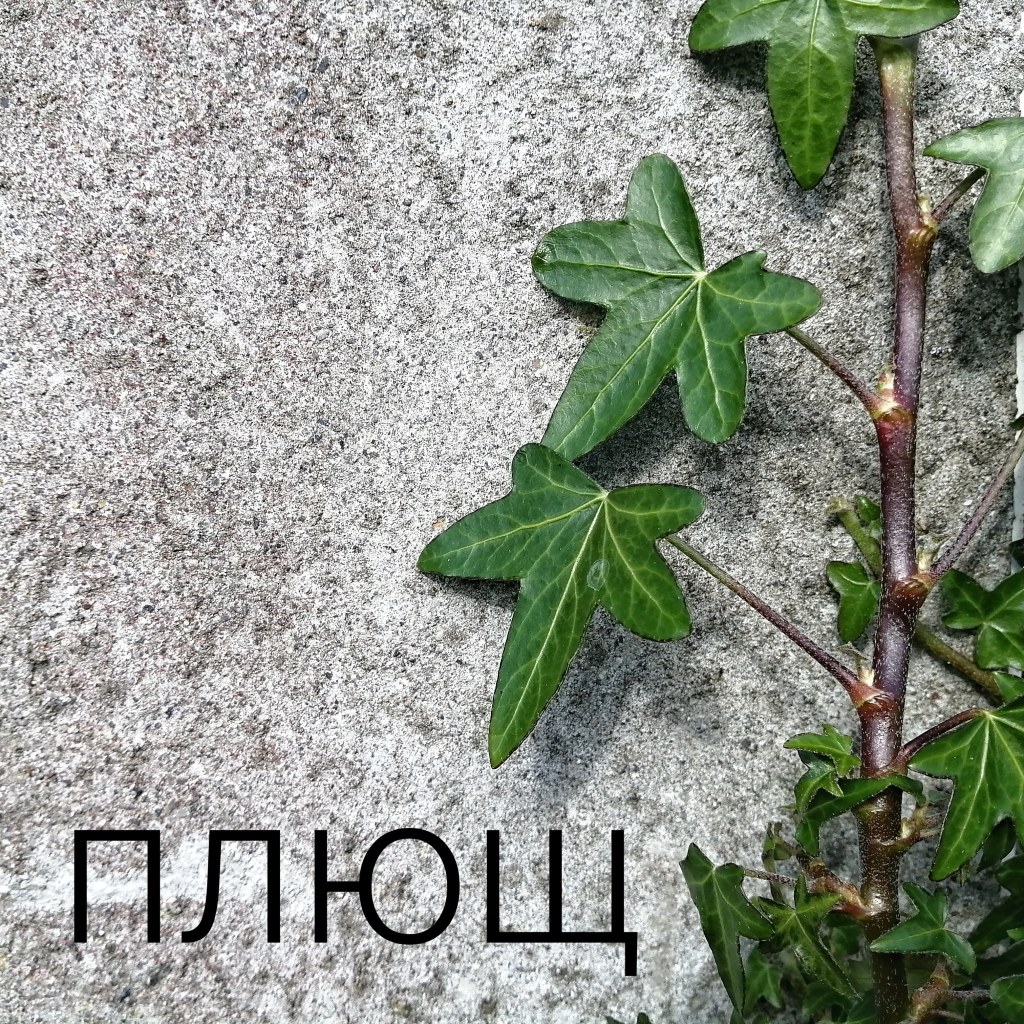
плющ

плющ {pljušč} [m] = ivy in Ukrainian

Ukrainian language (like Russian, Belarusian, Rusyn, Bulgarian, Serbian and Macedonian) uses a variant of the Cyrillic script. That script invented a letter “щ” (used by Ukrainian, Russian, Rusyn and Bulgarian variants) to represent consonant cluster romanised as “shch”. Belarusian, Serbian and Macedonian use digraph “шч” to write down that cluster. Most of other Slavic languages, using the Latin script, have letters “šč” and Polish use “szcz”, like in the cognate “bluszcz” (ivy).

Photo by @lukaszdaciuk (Instagram)

#dailylogorrhoea #logorrhoea #linguistics #words

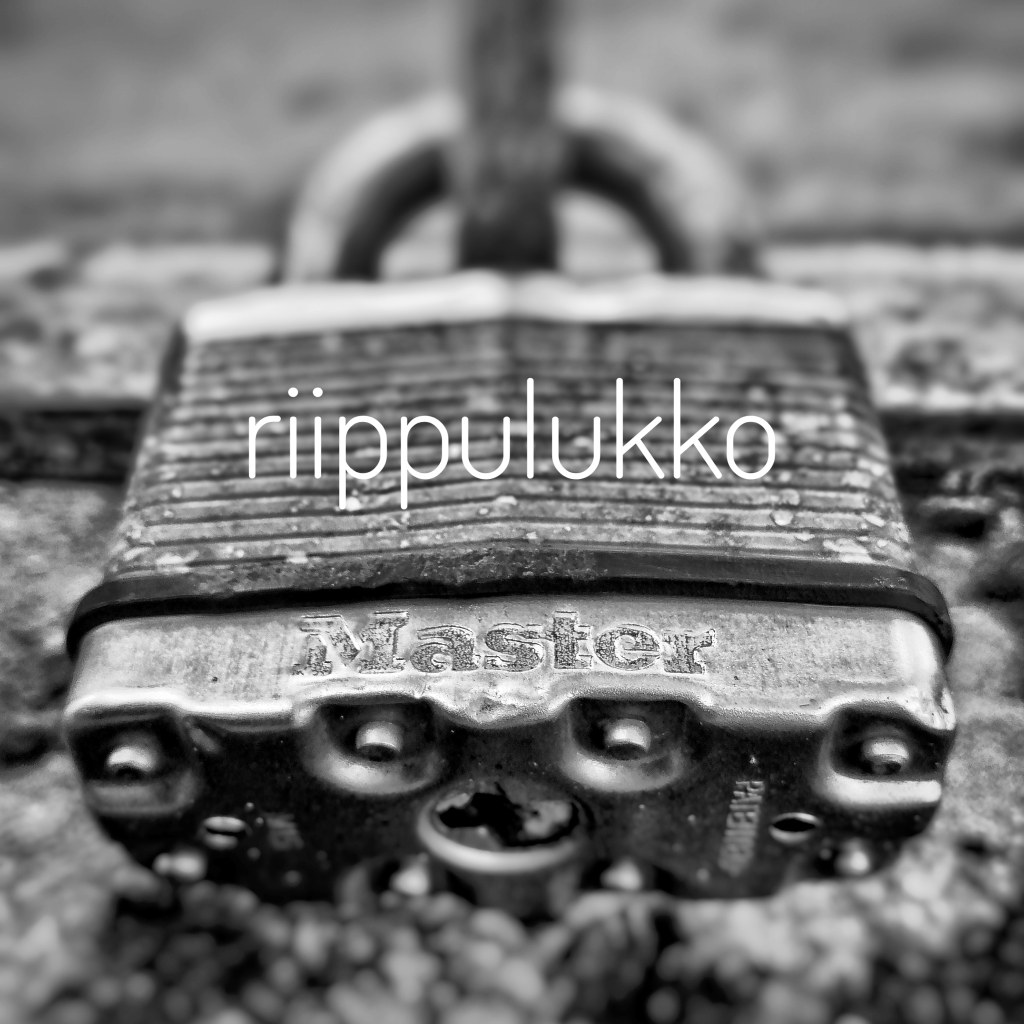
riippulukko

riippulukko = padlock in Finnish

The Finnish “riippulukko” literally means “a hanging lock” (riippua = to hang + lukko = lock). By the way, “lukko” is a loanword from the Proto-Norse and is a cognate with the English “lock”.

The Finnish language is not the only language where a lock can hang:
visací zámek (visací = hanging + zámek = lock) in Czech
hængelås = padlock (hænge = to hang + lås = lock) in Danish
hangslot (hangen = to hang + slot = lock) in Dutch
Vorhängeschloss (hängen = to hang + Schloss = lock, castle) in German
glas crochta (glas = lock + crochta = hung, hanging) in Irish
hengelås (henge = to hang + lås = lock)
висячий замок m {visjačij zamok} (висячий = hanging + замок = lock) in Russian

Photo by @lukaszdaciuk (Instagram)

#dailylogorrhoea #logorrhoea #linguistics #words

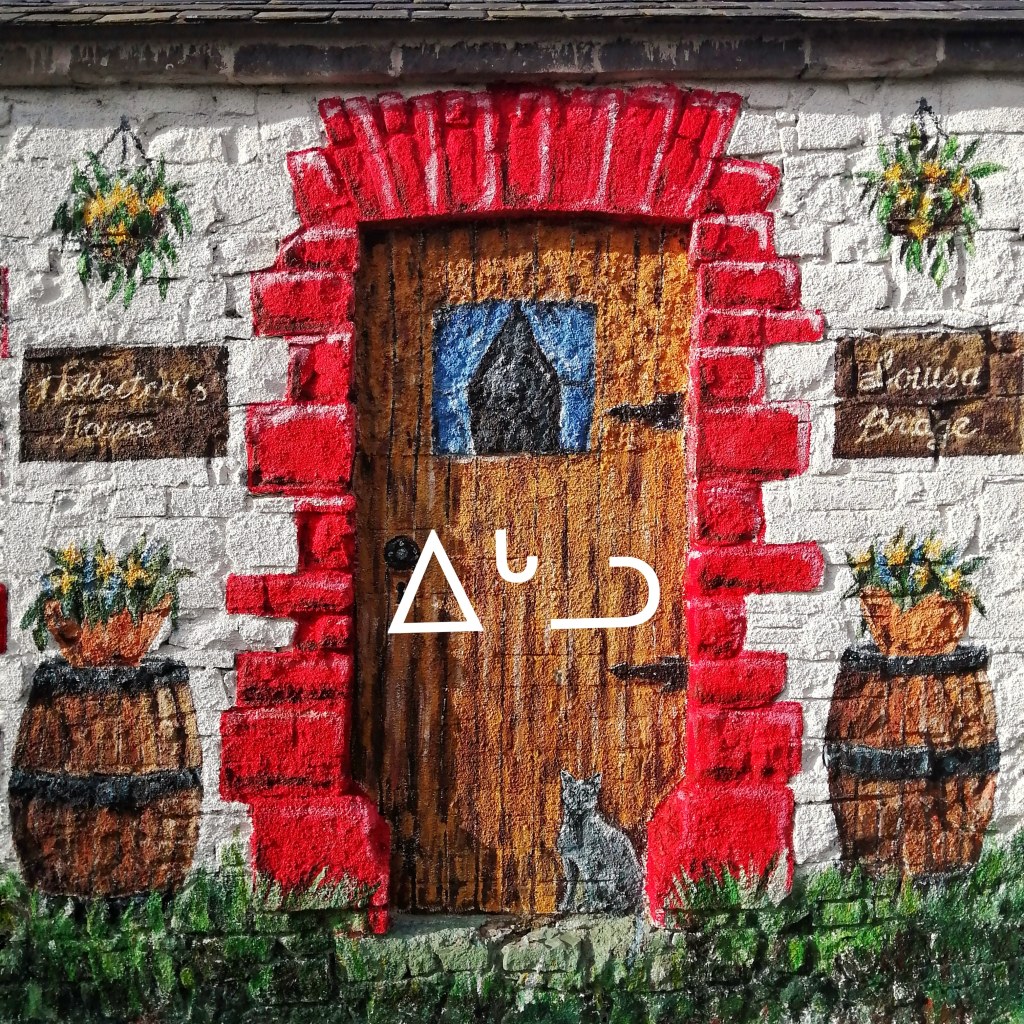
ᐃᒡᓗ

ᐃᒡᓗ / iglu = house, building (of any kind) in Inuktitut

Inuktitut not only uses an intricate and beautiful script but it also gave us a word meaning “a shelter made of blocks of snow” – igloo (English, Polish), iglo (Dutch, Danish), iglu (Finnish, Hungarian, Portuguese), Iglu (German), iglú (Spanish, Catalan, Czech), iglù (Italian), иглу {iglu} (Russian, Bulgarian), iglw (Welsh), 이글루 {igeullu} (Korean), etc.

Photo by @lukaszdaciuk (Instagram)

#dailylogorrhoea #logorrhoea #linguistics #words