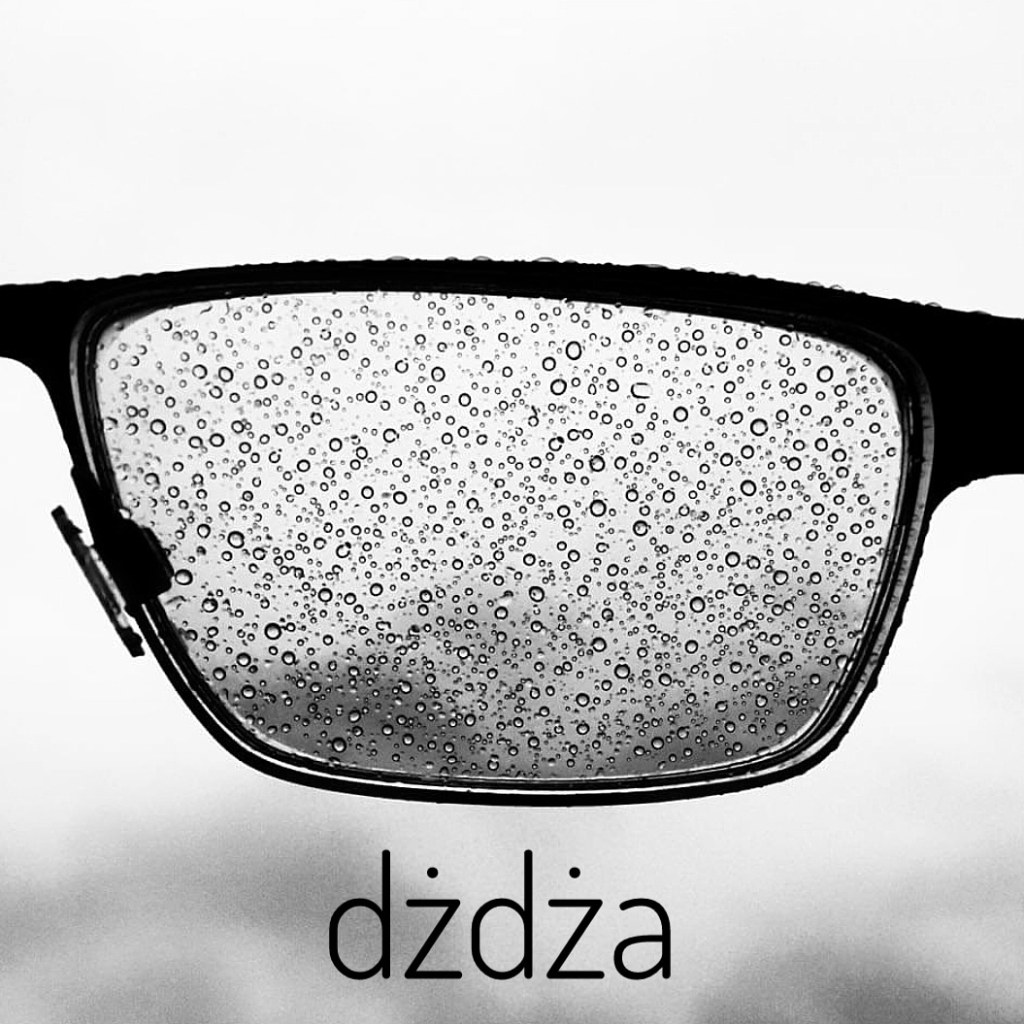
dżdża

dżdża = drizzle in Polish

The word “dżdża” is in my opinion one of the stragest, if not the strangest, words in the Polish language.

It all started with the Proto-Slavic *dъždžь (rain).
*dъždžь > deżdż (Old Polish) > deszcz (Polish) – all meaning “rain”
The Old Polish “deżdż” survived in words like “dżdżyć” (to drizzle), “dżdżysty” (wet, rainy, drizzly), “dżdżownica” (earthworm) but also as a genitive form in the Polish saying “łaknąć czegoś jak kania dżdżu”, literally: to crave for something like a kite (bird) for rain, meaning “to crave for something a lot”.

And here starts the most interesting part. People forgot about “deżdż” so many thought that the nominative form of “dżdżu” is “dżdż”. There is even a humoristic poem by a well-known Polish poet, Konstanty Ildefons Gałczyński:
“Muchy brzęcza. W niebie grzmi.
Słońce świeci. Pada dżdż.”
(The flies are droning. It thunders in heaven.
The sun is shining. It is drizzling.)

Eventually the word “dżdża” was coined.

Photo by @lukaszdaciuk (Instagram)

#dailylogorrhoea #logorrhoea #linguistics #words #languages #focail #teangacha #słowa #języki #sanat #kielet #слова #мови #slova #jazyky #kelimeler #diller
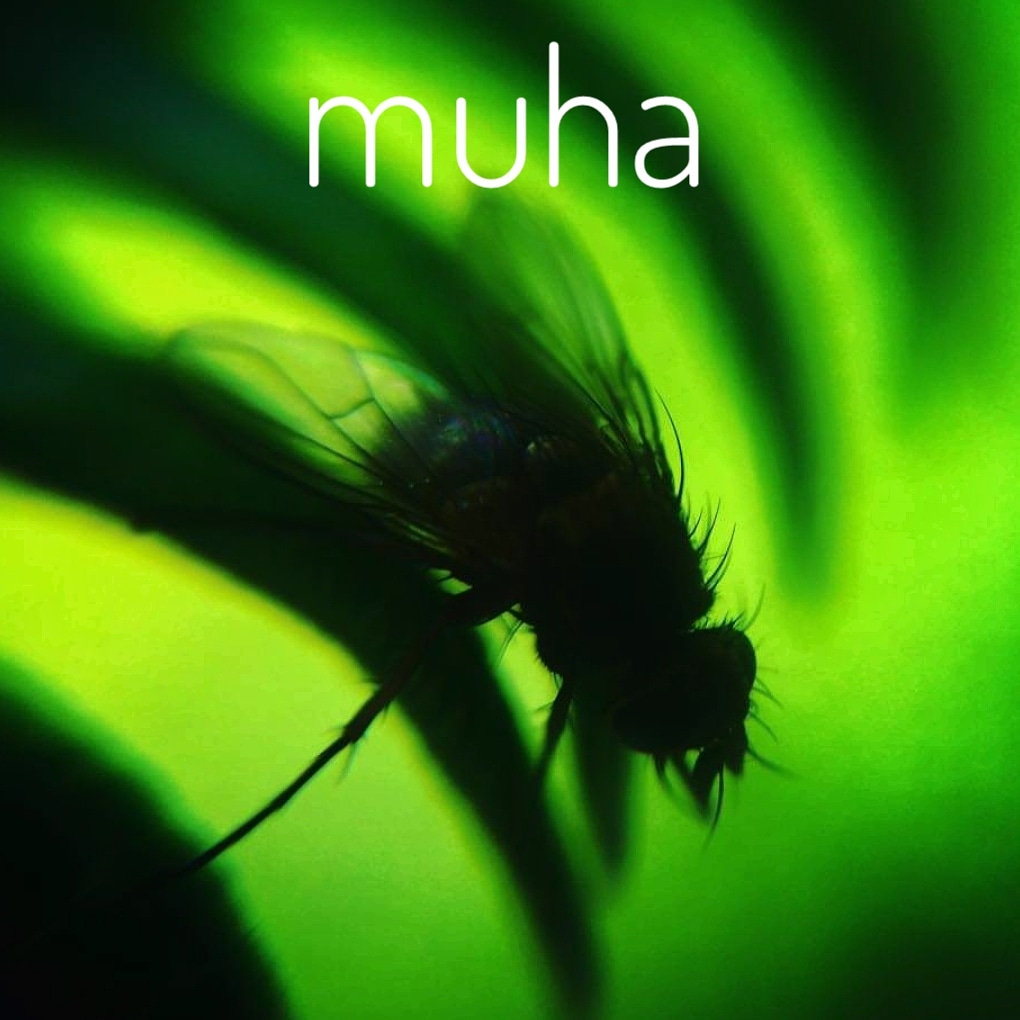

muha

muha = fly in Slovene

There was only one “h” in the Proto-Slavic – voiceless velar fricative however East & West Slavic languages added also voiced glottal or velar fricatives to their inventories. South Slavic languages did not and they still have one voiceless velar fricative “h” – expressed as “h” in Latin alphabets (Slovene & Croatian) and as “х” in Cyrillic alphabets (Serbian, Bulgarian & Macedonian).

In East & West Slavic languages you have:
х & г in Belarusian & Ukrainian
ch & h in Czech, Slovak, Lower Sirbian & Upper Sorbian
(voiceless & voiced)

Two Slavic languages lost voiced “h” – Russian and Polish.

In Polish voiceless and voiced “h” were expressed respectively by “ch” and “h”. Then it retained voiceless sound but left “ch” and “h” in orthography causing a huge problem to pupils and students. Now “hart” (fortitude) and “chart” (greyhound) or “hełm” (helmet) and “Chełm” (city in Poland) sound exactly the same.

There are two more pairs of sounds in Polish that are the same now. The sounds rz=ż and u=ó causing more problems during spelling bees.

Photo by @lukaszdaciuk (Instagram)

#dailylogorrhoea #logorrhoea #linguistics #words #languages #focail #teangacha #słowa #języki #sanat #kielet #слова #мови #slova #jazyky #kelimeler #diller
puke

puke = book in Hawaiian

When Hawaiian borrows words from English, you get really interesting results.

haneli = hundred
hapa = half
kaimana = diamond
kālā = dollar, money
kamepiula = computer
kanauika = sandwich
kaukani = thousand
kīkā = guitar
lakuna = raccoon
loke = rose
pākeke = pocket
pāloke = parrot
poloka = frog
wikiō = video
ʻanakala = uncle
ʻānela = angel

Photo by @lukaszdaciuk (Instagram)

#dailylogorrhoea #logorrhoea #linguistics #words #languages #focail #teangacha #słowa #języki #sanat #kielet #слова #мови #slova #jazyky #kelimeler #diller
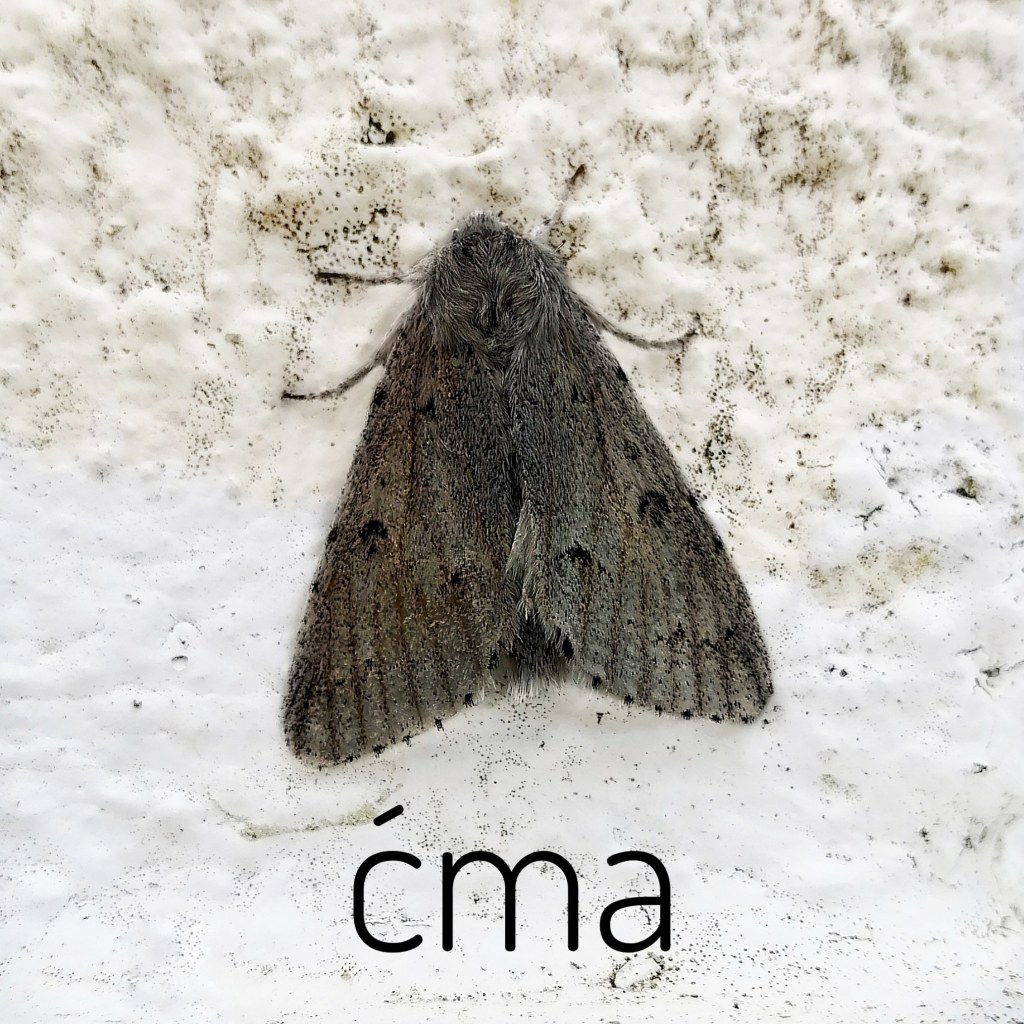
ćma

ćma = moth in Polish

The word “ćma” in Old Polish meant “darkness” but then the meaning shifted to “moth” and the original meaning stopped being used (except in one Polish region). The word comes from the Proto-Slavic *tьma (darkness). All other Slavic languages also have words originating from *tьma but they retained the original meaning.

цьма {cʹma} in Belarusian
тьма {tʹma} in Russian & Ukrainian
тъма {tǎma} in Bulgarian
тама {tama} in Serbian
tama in Croatian
tema in Slovene
tma in Czech & Slovak
śma in Lower Sorbian
ćma in Upper Sorbian
All meaning “darkness”

Photo by @lukaszdaciuk (Instagram)

#dailylogorrhoea #logorrhoea #linguistics #words #languages #focail #teangacha #słowa #języki #sanat #kielet #слова #мови #slova #jazyky #kelimeler #diller
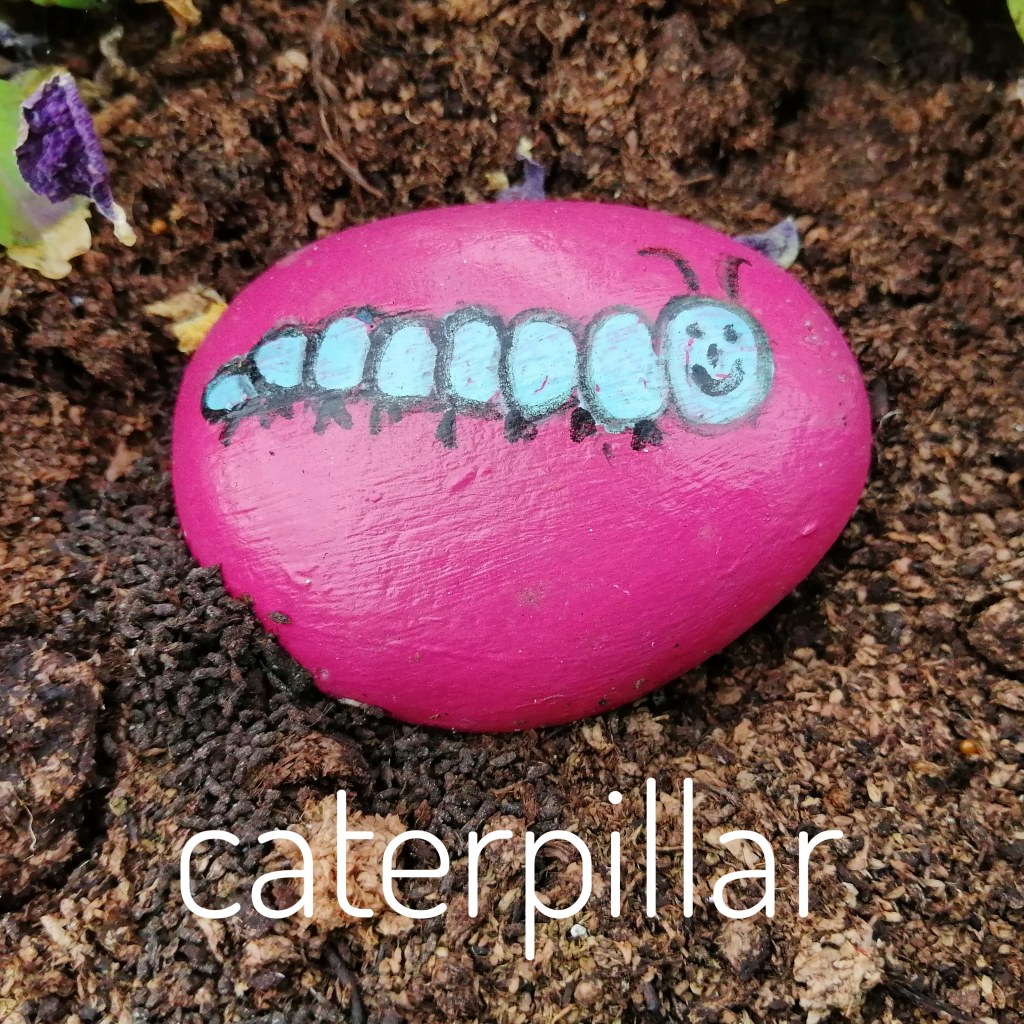
caterpillar

caterpillar = larva of a butterfly or a moth in English

One of those words which etymology can surprise you.

cate (female cat) + peluse (hairy) in Old French > catepeluse (caterpillar) in Old French > catirpel, catirpeller in Middle English > caterpiller [archaic], caterpillar in Modern English

Photo by @lukaszdaciuk (Instagram)

#dailylogorrhoea #logorrhoea #linguistics #words #languages #focail #teangacha #słowa #języki #sanat #kielet #слова #мови #slova #jazyky #kelimeler #diller
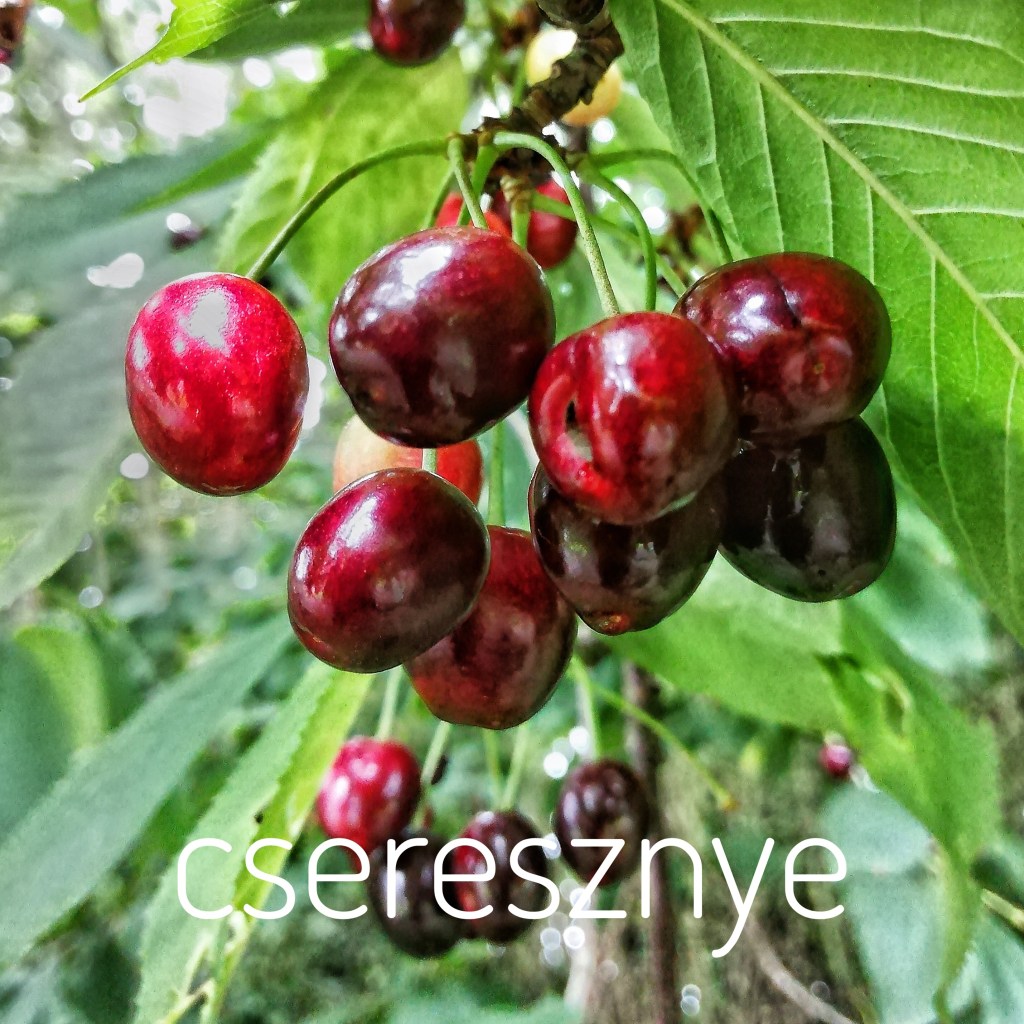
cseresznye

cseresznye = sweet cherry in Hungarian

The word “cseresznye” was borrowed from one of the South Slavic languages. In Proto-Slavic “sweet cherry” was *čeršьňa.

“Sweet cherry” in other Slavic languages:
чарэшня {čarešnja} in Belarusian
черешня {čerešnja} in Russian & Ukrainian
черeша {čereša} in Bulgarian
цреша {creša}, црешна {crešna} in Macedonian
трешња {trešnja} in Serbian
trešnja in Croatian
češnja in Slovene
třešně in Czech
czereśnia in Polish
čerešňa in Slovak
třěšnja, třěšeń in Upper Sorbian

Photo by @lukaszdaciuk (Instagram)

#dailylogorrhoea #logorrhoea #linguistics #words #languages #focail #teangacha #słowa #języki #sanat #kielet #слова #мови #slova #jazyky #kelimeler #diller

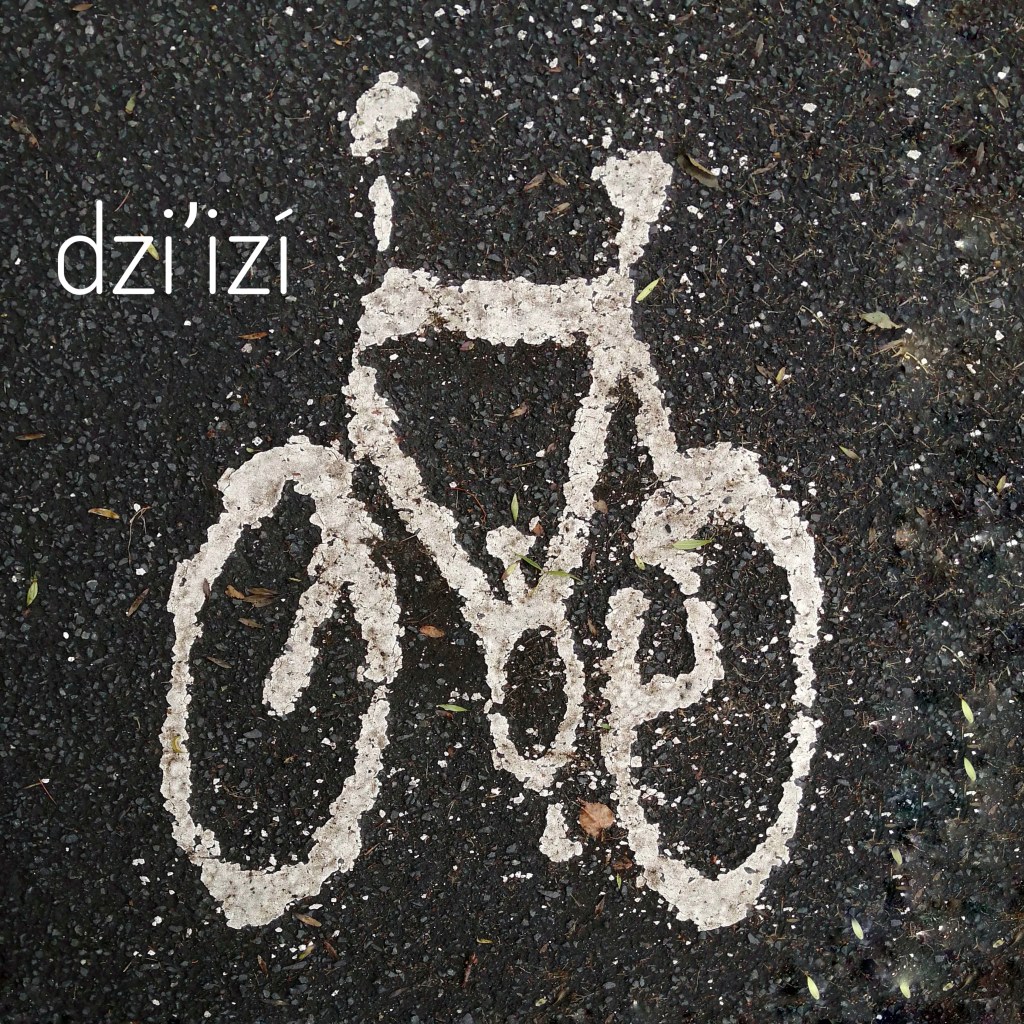
dziʼizí

dziʼizí = bicycle in Navajo

The Navajo language as always amuses me with its simplicity yet to-the-pointedness if there’s such a word.

The word literally means “a man pedals it”.

If you want to be precise, you could say: “dziʼizí bijáád naakiígíí” = “a man pedals it and it has two wheels” and if you ride a tricycle you say: “dziʼizí bijáád táʼígíí” = “a man pedals it and it has three wheels”.

Finally “motorcycle” is “dziʼizítsoh” = “a man pedals it and it is big”.

Photo by @lukaszdaciuk (Instagram)

#dailylogorrhoea #logorrhoea #linguistics #words #languages #focail #teangacha #słowa #języki #sanat #kielet #слова #мови #slova #jazyky #kelimeler #diller
glas

glas = green / grey in Irish

The Irish language has two words for “green” – “glas” and “uaine”.

The word “glas” has two meanings: “green” (grass, green foliage, sea, etc.) and “grey” (sheep, cow, horse, eyes, lustrous steel).

The word “uaine” is “(vivid) green”. The green in the Irish flag is “uaine”.

Photo by @lukaszdaciuk (Instagram)

#dailylogorrhoea #logorrhoea #linguistics #words #languages #focail #teangacha #słowa #języki #sanat #kielet #слова #мови #slova #jazyky #kelimeler #diller
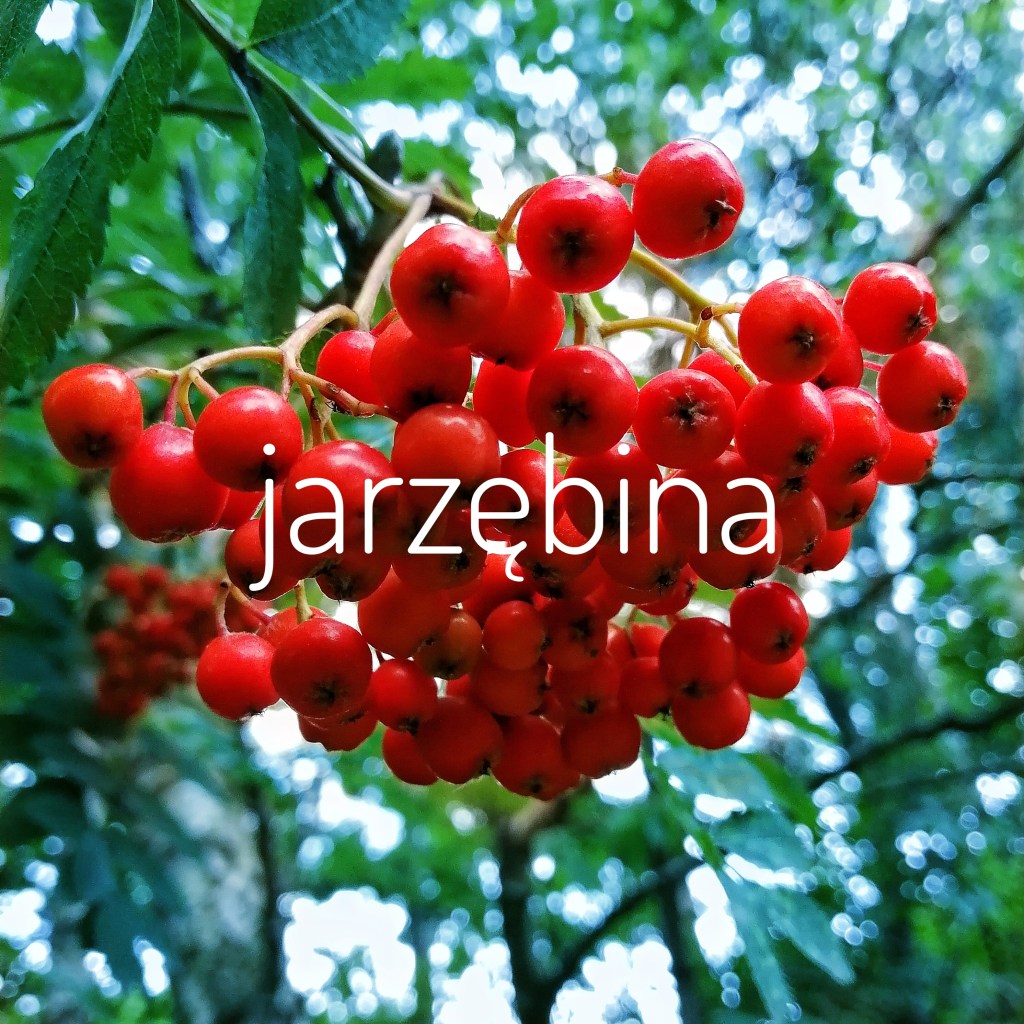
jarzębina

jarzębina = rowan tree, rowanberry in Polish

The word “jarzębina” comes from the Proto-Slavic *arębina (rowan) which in turn comes from *arębъ (partridge). Rowanberries were used to catch birds.
The proper botanical name for “rowan tree” in Polish is “jarząb” which in Old Polish meant “partridge”.

Rowan tree in other Slavic languages:
рабіна {rabina} in Belarusian
рябина {rjabina} in Russian & Bulgarian
горобина {horobyna} in Ukrainian
јарeбика {jarebika} in Serbian
jarebika in Croatian
jerebina / jerebika in Slovene
jeřabina in Czech
jarabina in Slovak
jeŕebina, heŕebina in Lower Sorbian
wjerjebina in Upper Sorbian

Photo by @lukaszdaciuk (Instagram)

#dailylogorrhoea #logorrhoea #linguistics #words #languages #focail #teangacha #słowa #języki #sanat #kielet #слова #мови #slova #jazyky #kelimeler #diller

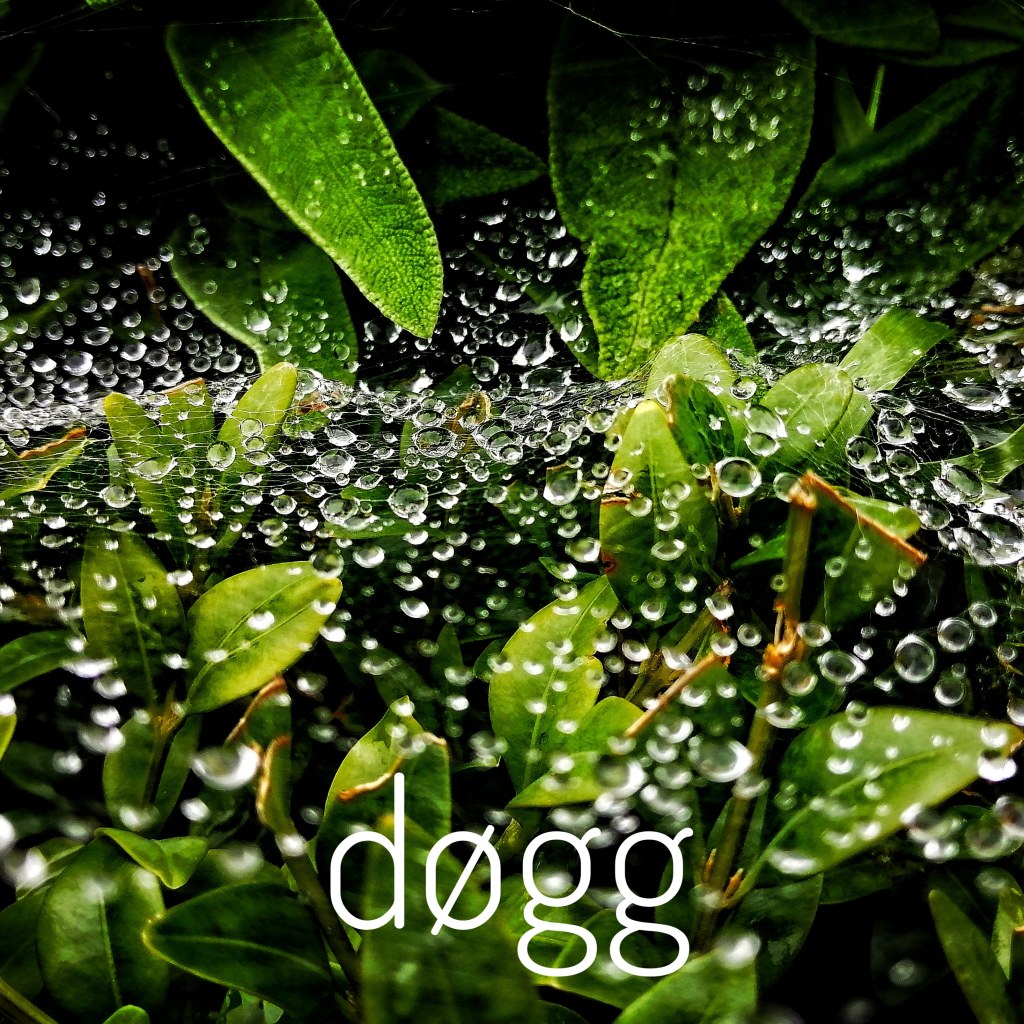
døgg

døgg = dew in Faroese

Almost all Nordic languages use the same consonants and different vowels in the words meaning “dew”.

døgg in Faroese
dögg in Icelandic
dugg in Norwegian Bokmål
dogg in Nowegian Nynorsk
dagg in Swedish
dug in Danish
They all come from the Old Norse “dǫgg” also meaning “dew”.

Photo by @lukaszdaciuk (Instagram)

#dailylogorrhoea #logorrhoea #linguistics #words #languages #focail #teangacha #słowa #języki #sanat #kielet #слова #мови #slova #jazyky #kelimeler #diller