łééchąą’í

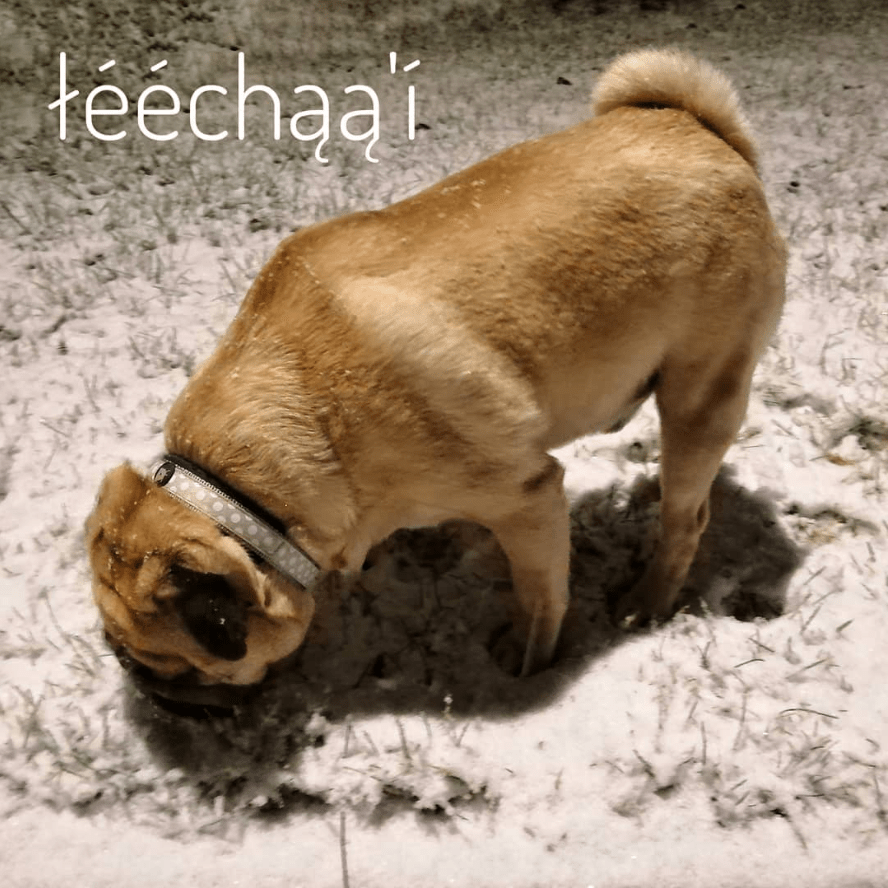
łééchąą’í = dog in Navajo
Today’s word is a bit disturbing if you look at its etymology.
The word “łééchąą’í” comes from “łį́į́ʼ” (pet) and “chąą'” (shit) so literally it means “shit pet” (as a pet eating excrements).
The word “łééchąą’í” replaced the old word “łį́į́ʼ” (originally meaning “pet” and then “dog”) which changed the meaning to “horse” after a horse was introduced to North America and took a dog’s place in Navajo culture as a favourite pet.
Photo by @lukaszdaciuk (Instagram)
#dailylogorrhoea #logorrhoea #linguistics #words #languages #focail #teangacha #słowa #języki #sanat #kielet #слова #мови #slova #jazyky #kelimeler #diller #focklyn #çhengaghyn

edderkop

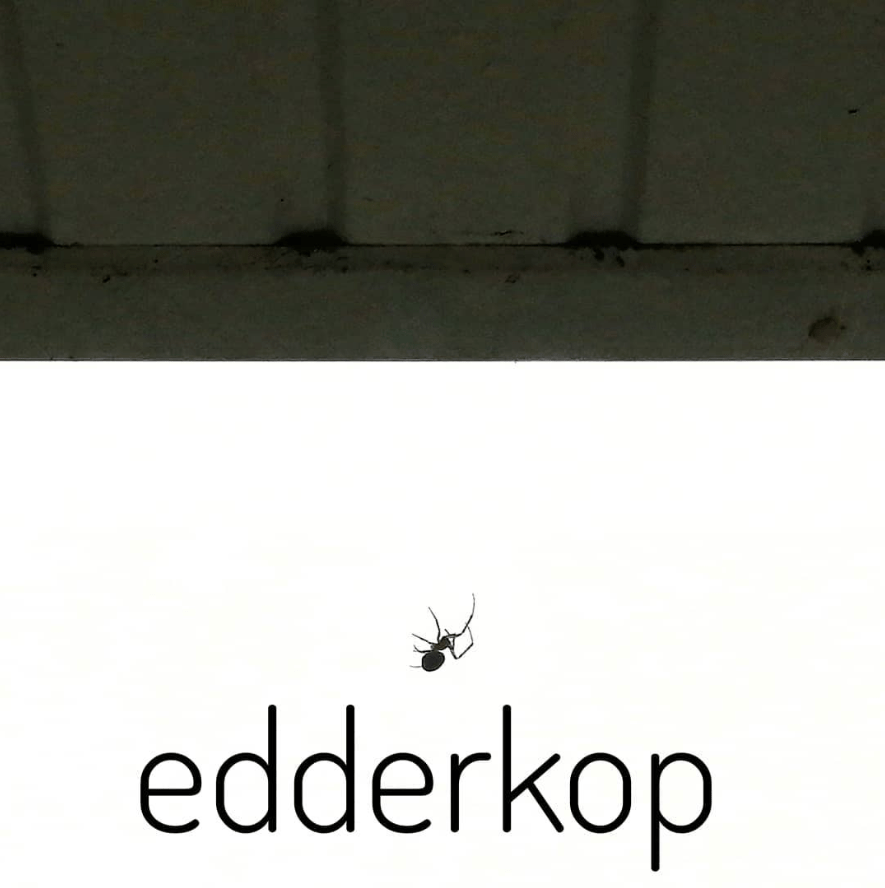
edderkop = spider in Danish
The Danish “edderkop” comes from the Old English “ātorcoppe” (ātor = poison and copp = head).
Photo by @lukaszdaciuk (Instagram)
#dailylogorrhoea #logorrhoea #linguistics #words #languages #focail #teangacha #słowa #języki #sanat #kielet #слова #мови #slova #jazyky #kelimeler #diller #focklyn #çhengaghyn

ᨓᨕᨗ

ᨓᨕᨗ {wai} = water in Mandar
There are hundreds of beautiful words meaning water in hundreds of fascinating languages but only in Mandar language, which is written in Lontara script, the word actually looks like water.
Photo by @lukaszdaciuk (Instagram)
#dailylogorrhoea #logorrhoea #linguistics #words #languages #focail #teangacha #słowa #języki #sanat #kielet #слова #мови #slova #jazyky #kelimeler #diller #focklyn #çhengaghyn

снігова баба

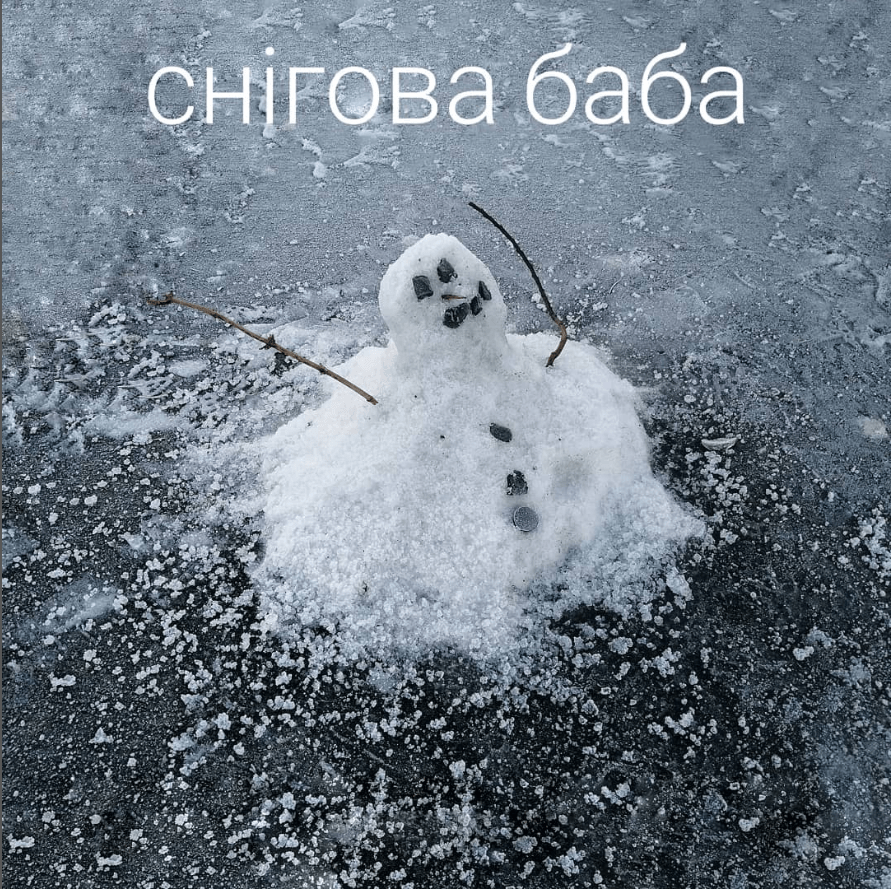
снігова баба {snihova baba} = snowman in Ukrainian
In most of the languages, unless they are gender-neuter, the word “snowman” is masculine. It is slightly different in East Slavic languages. They have a feminine and masculine term.
feminine / masculine
Ukrainian: снігова баба {snihova baba} / сніговик {snihovyk}
Belarusian: снежная баба {snježnaja baba} / снегавік {snjehavik}
Russian: снежная баба {snežnaja baba} / снеговик {snegovik}
The word “баба” in the East Slavic languages (and not only) in contemporary usage is pejorative and means “woman”.
Photo by @lukaszdaciuk (Instagram)
#dailylogorrhoea #logorrhoea #linguistics #words #languages #focail #teangacha #słowa #języki #sanat #kielet #слова #мови #slova #jazyky #kelimeler #diller #focklyn #çhengaghyn

tír

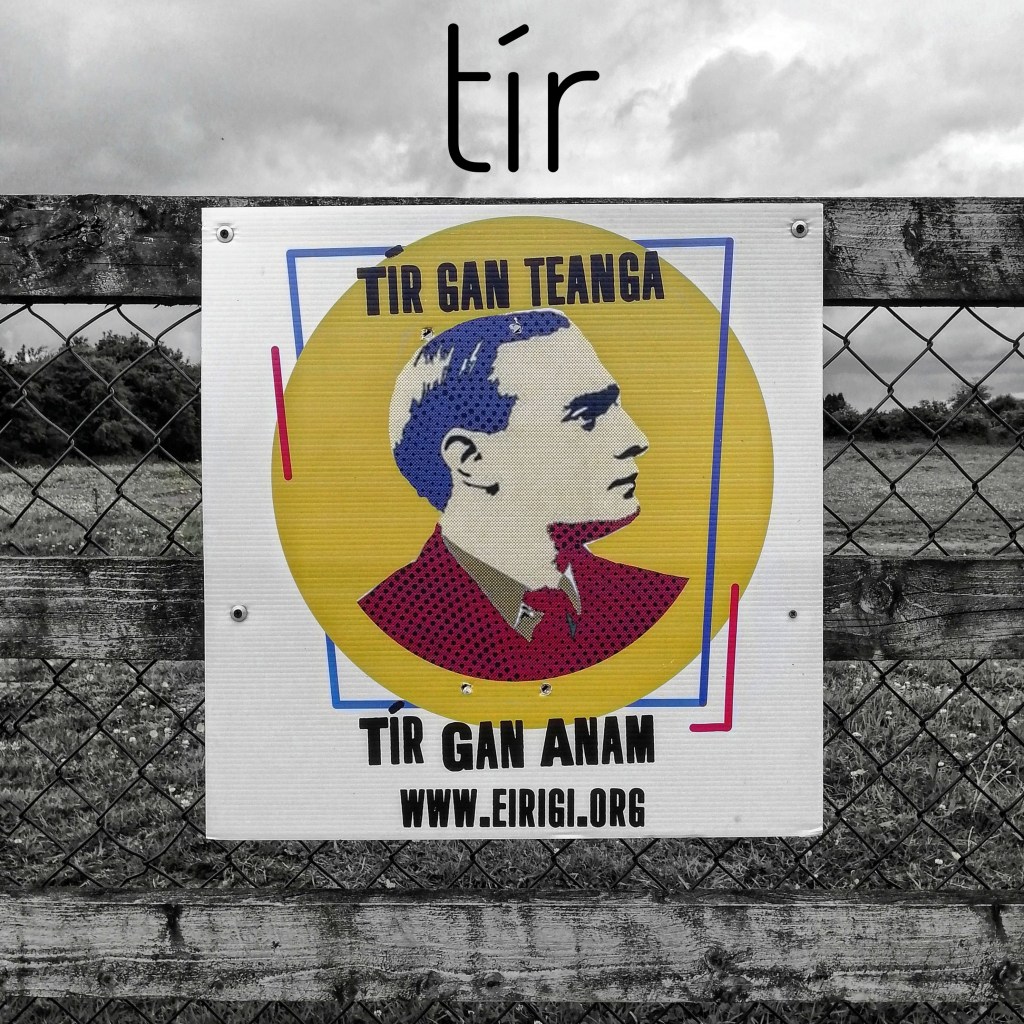
tír = country, land in Irish

“Tír gan teanga, tír gan anam” (A country without a language is a country without a soul) is a quote from Pádraig Pearse (1879-1916), Irish teacher, writer, poet, barrister, nationalist, republican activist and revolutionary who was one of the leaders of the Easter Rising in 1916.

The word “tír” comes from the Proto-Indo-European root *ters- (dry).

*ters- (dry) in PIE > *tīros (dry land) in Proto-Celtic > tír (dry land) in Old Irish > tír (country, land) in Irish, çheer (land, country) in Manx and tìr (land, country) in Scottish

The Latin word “terra” (dry land) is of the same origin.

*ters- (dry) in PIE > *terzā (dry land, earth) in Proto-Italic > terra (dry land, earth) in Latin

Interesting fact: the English word “thirst” is a cognate of “tír” and “terra”.

*ters- (dry) in PIE > *þurstuz (dryness, thirst) in Proto-Germanic > *þurstu (thirst) in Proto-West Germanic > þurst (thirst) in Old-English > thurst, thirst in Middle English > thirst in Modern English

Photo by @lukaszdaciuk (Instagram)

#dailylogorrhoea #logorrhoea #linguistics #words #languages #focail #teangacha #słowa #języki #sanat #kielet #слова #мови #slova #jazyky #kelimeler #diller #focklyn #çhengaghyn #polish #polishlanguage #polski #jezykpolski #językpolski #english #englishlanguage #irish #irishlanguage #gaeilge #anghaeilge

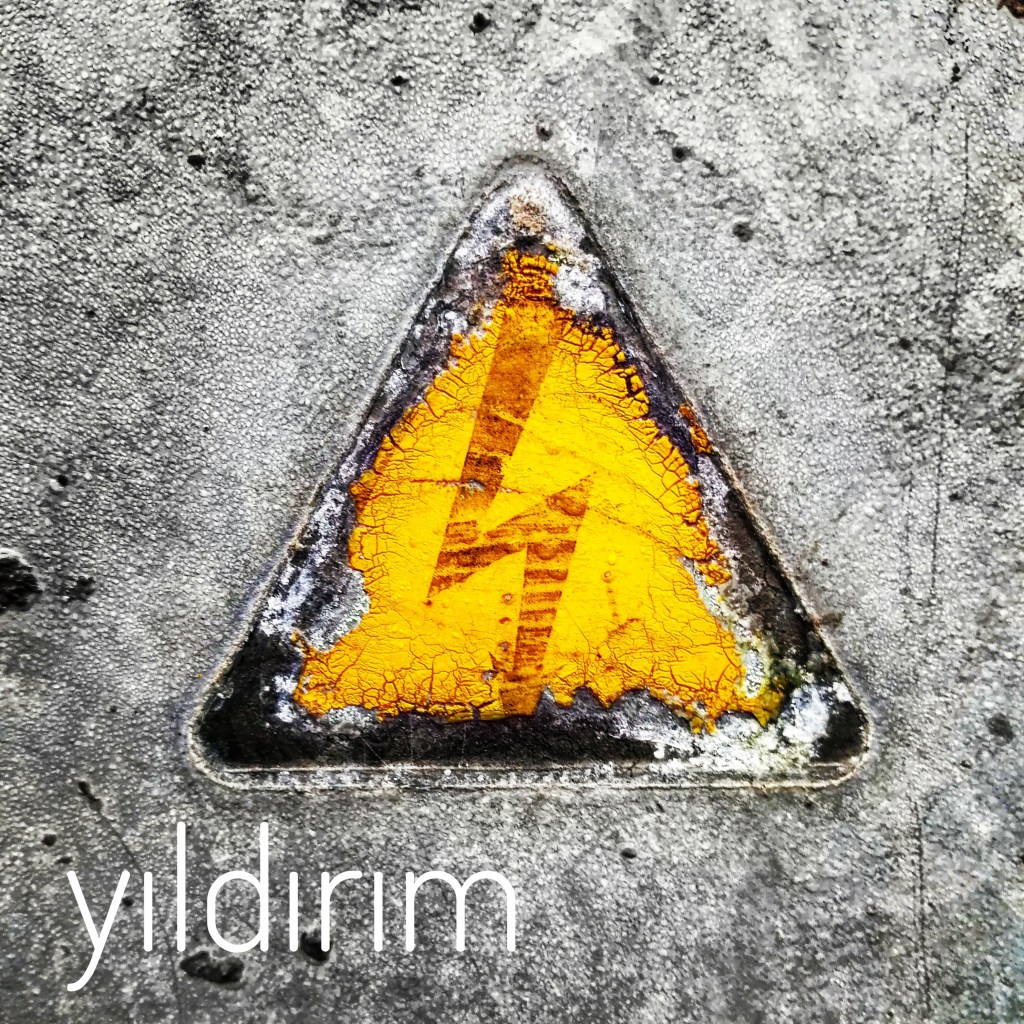
yıldırım

yıldırım = thunderbolt in Turkish

Dotted İi and dotless Iı can be found in a number of Turkic languages using Latin alphabets like Turkish, Azerbaijani, Kazakh and a couple more.

Photo by @lukaszdaciuk (Instagram)

#dailylogorrhoea #logorrhoea #linguistics #words #languages #focail #teangacha #słowa #języki #sanat #kielet #слова #мови #slova #jazyky #kelimeler #diller #focklyn #çhengaghyn

ocean

ocean = ocean in Polish

The same spelling in Polish and in English but so different pronunciation.

Photo by @lukaszdaciuk (Instagram)

#dailylogorrhoea #logorrhoea #linguistics #words #languages #focail #teangacha #słowa #języki #sanat #kielet #слова #мови #slova #jazyky #kelimeler #diller #focklyn #çhengaghyn

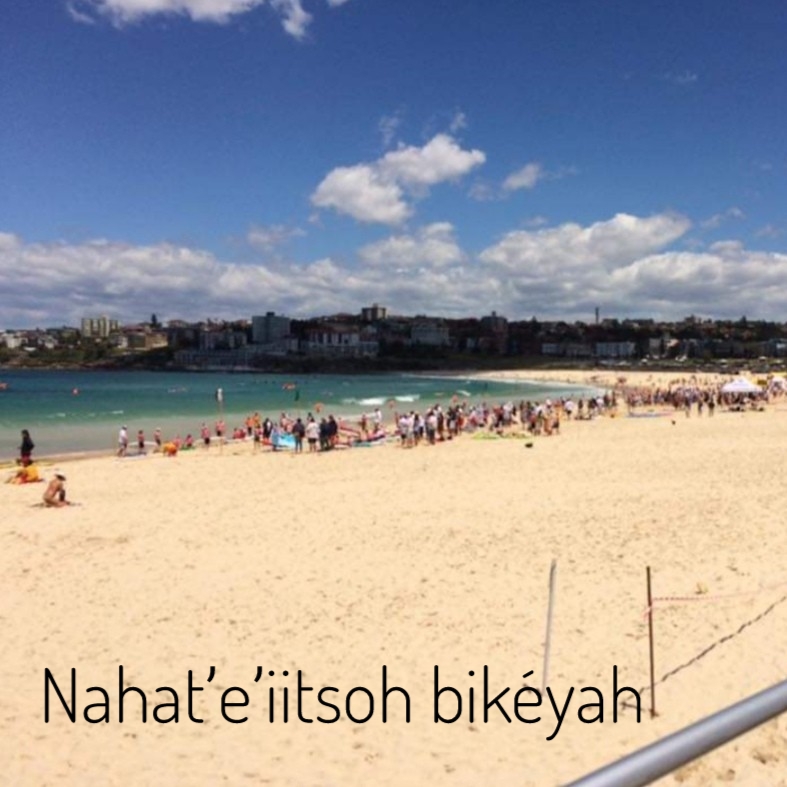
Nahatʼeʼiitsoh bikéyah

Nahatʼeʼiitsoh bikéyah = Australia in Navajo

In all languages “Australia” comes directly or indirectly from the Latin “australis incognita”. In all but the Navajo language in which “nahatʼeʼiitsoh bikéyah” literally means “the country of kangaroos”.

nahatʼeʼiitsoh = kangaroo
bikéyah = their country

Bondi Beach, Sydney, Australia. Photo by @lukaszdaciuk (Instagram)

#dailylogorrhoea #logorrhoea #linguistics #words #languages #focail #teangacha #słowa #języki #sanat #kielet #слова #мови #slova #jazyky #kelimeler #diller #focklyn #çhengaghyn