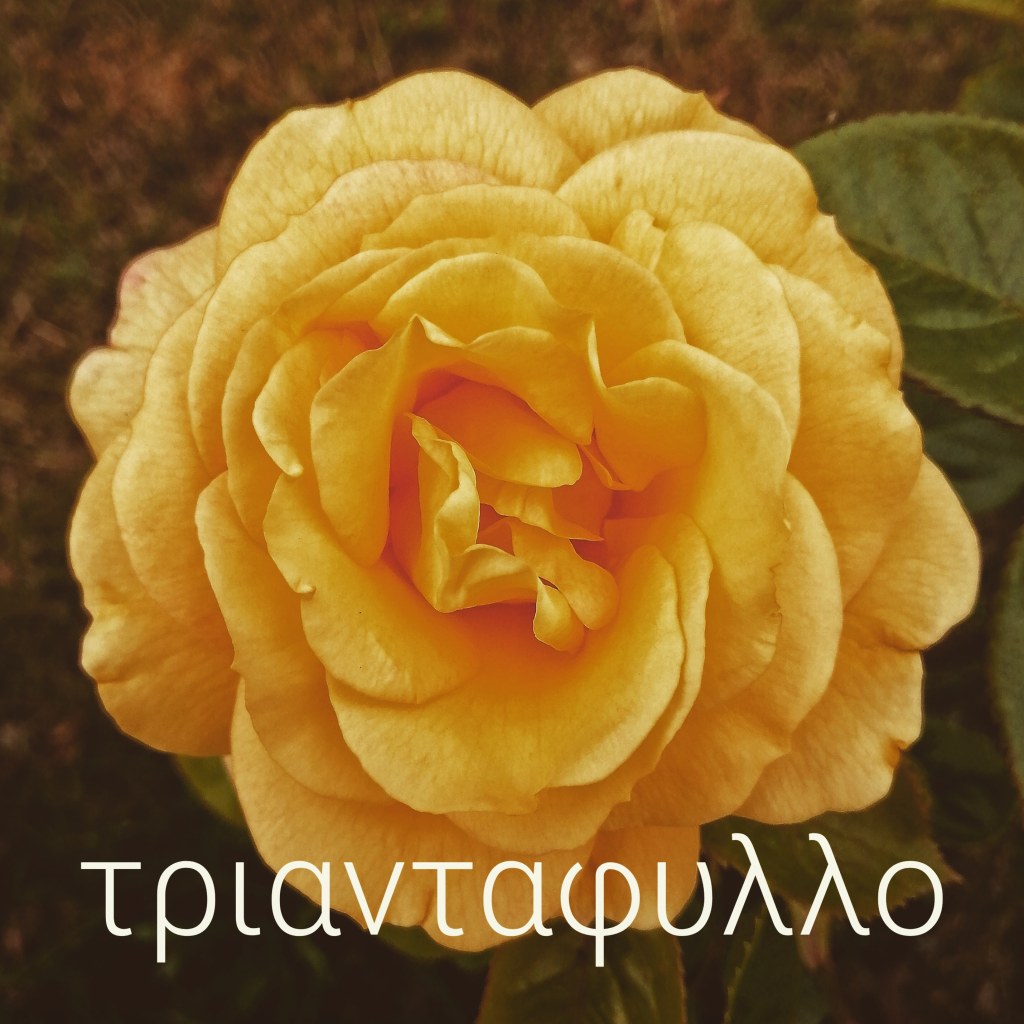
This word comes from the Byzantine Greek “τριανταφυλλον” {triantaphulon} and can be translated as “thirty-leaved” (τριαντα {trianta} = thirty and φυλλον {phullon} = leaf).
Several languages borrowed from Greek: trëndafil (Albanian), trandafilã (Aromanian), trandafir (Romanian), троянда {trojanda} (Ukrainian).
There’s also synonym “ρoδο {ródo}, meaning “rose”.
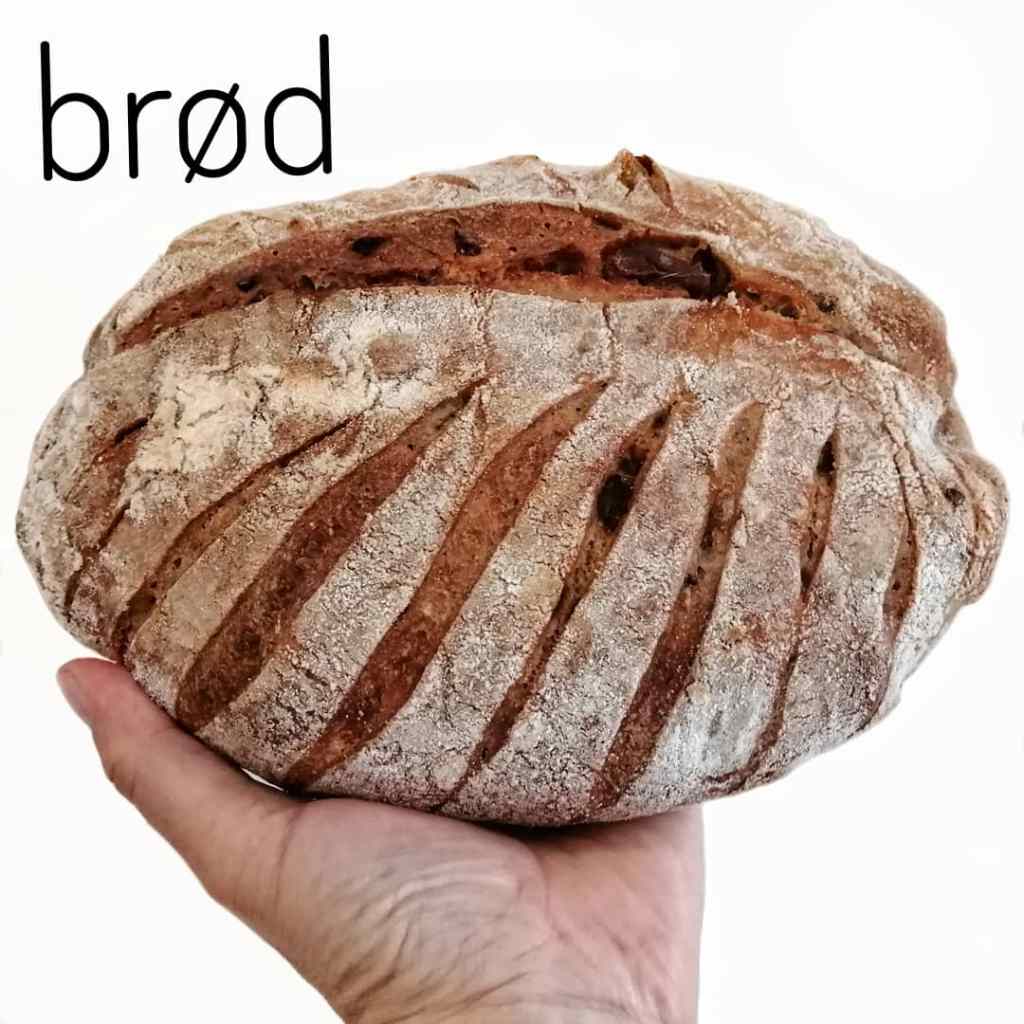
The word “brød” contains one of the most mysterious, fascinating and beautiful sounds I had pleasure to learn. It is the final “d” called “blødt d” (soft d) which does not resemble regular “d”.
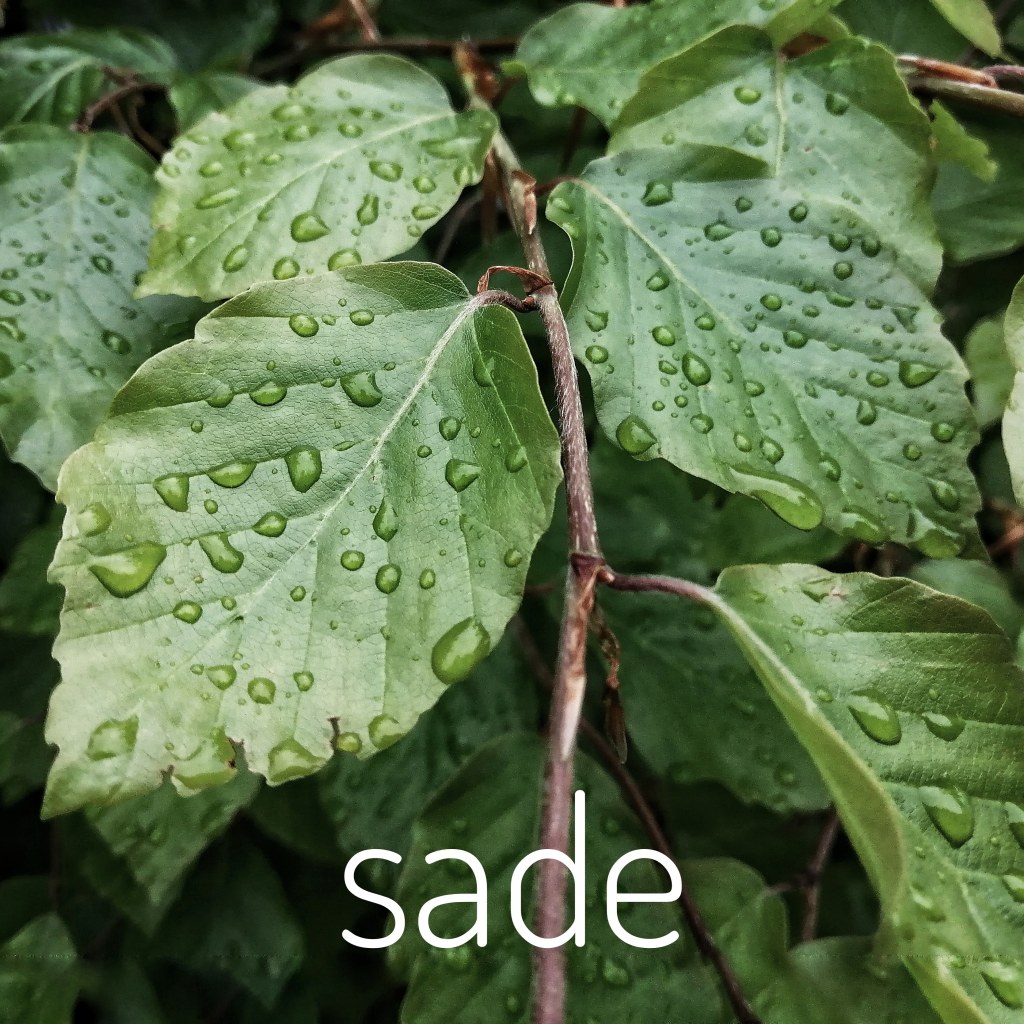
The word “sade” means any kind of precipitation (rain, snow, hail, etc.). Figuratively it can also mean “falling of any objects through air”. To say “snowfall” or “hailstorm”, the modifiers “lumi” (snow) and “rae” (hail) are used – “lumisade” (snowing, snowfall) and “raesade” (hailstorm). To be clear it is also possible to use the modifier “vesi” (water) – “vesisade” (rain, raining, rainfall).
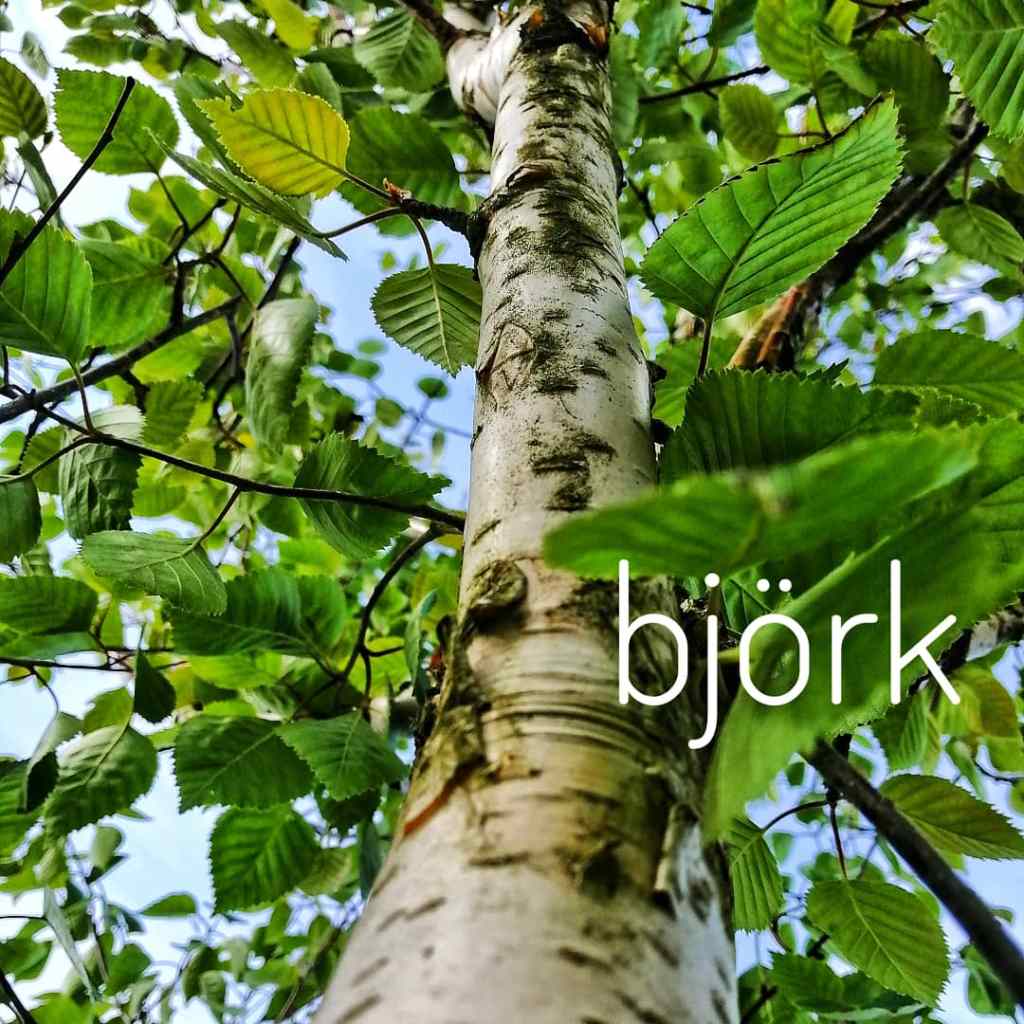
The Icelandic word “björk” and its synonym “birki” are cognates of the English “birch”, Dutch “berk”, German “Birke”, Polish “brzoza”, Ukrainian “береза” {bereza}, Lithuanian “beržas”, Sanskrit “भूर्ज” {bhurja}, etc. They all come from the Proto-Indo-European *bherhgos and It is true for many trees in Indo-European languages.
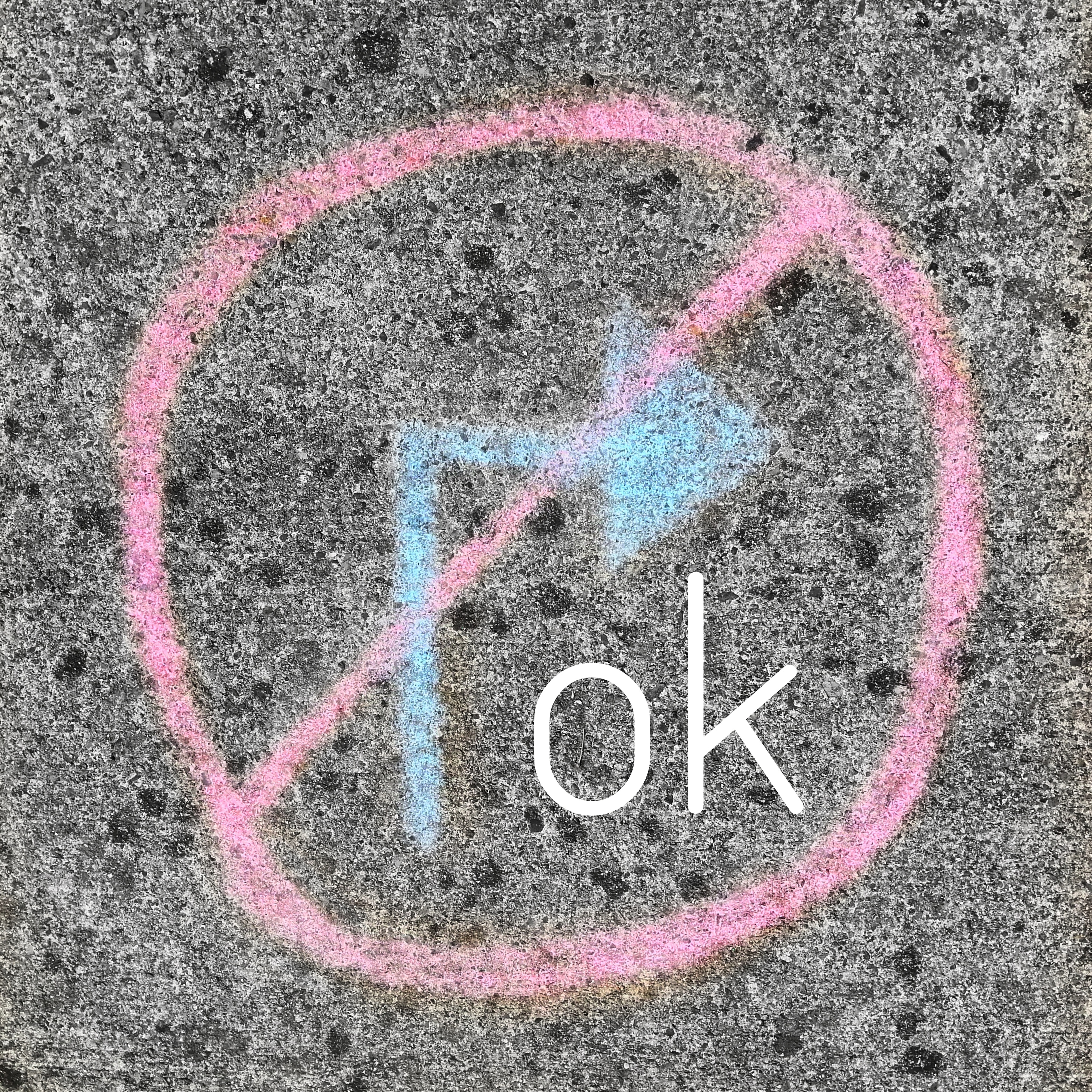
The Turkish word “ok” comes from the the Proto-Turkic *ok, also meaning “arrow”. The amazing thing is that in the Old Turkic, which was using the runic script, the word arrow was “𐰸” {oq}.
In most languages the words for the most popular textike for trousers and for the trousers made of that textile come from geographical locations.
1) After the Middle English name for the Italian town of “Gene” (Genoa, Genovese), short from “jean fustian” (strong cotton Genovese fabric): jeans, xhins (trousers) in Albanian джынсы {džynsy} (trousers) in Belarusian джиинси {džinsi} (trousers) in Bulgarian džínsovina, džínovina (textile); džíny (trousers) in Czech jeans (trousers) in English τζην {tzin} (textile) in Greek géin (textile); jíons (trousers) in Irish Jeansstoff (textile); Jeans, Jeanshose (trousers) in German jins (trousers) in Indonesian džinsi (trousers) in Latvian džinsai (trousers) in Lithuanian dżins, jeans (textile); dżinsy, jeansy (trousers) in Polish blugi (trousers) in Romanian джинс (textile); джиинсы {džinsy} (trousers) in Russian jeans (textile) in Swedish blucin (textile) in Turkish jîns (trousers) in Welah
2) After the French town of Nîmes, short from “serge de Nîmes” (serge of Nîmes): деним {denim} (textile) in Bulgarian, Russian denim (textile) in Danish, Dutch, English, French, German, Polish, Swedish, Turkish denimi (textile) in Finnish dením (textile) in Icelandic deinim (textile) in Irish デニム {denimu} (textile) in Japanese 데님 {denim} (textile) in Korean tenimi (textile) in Maori
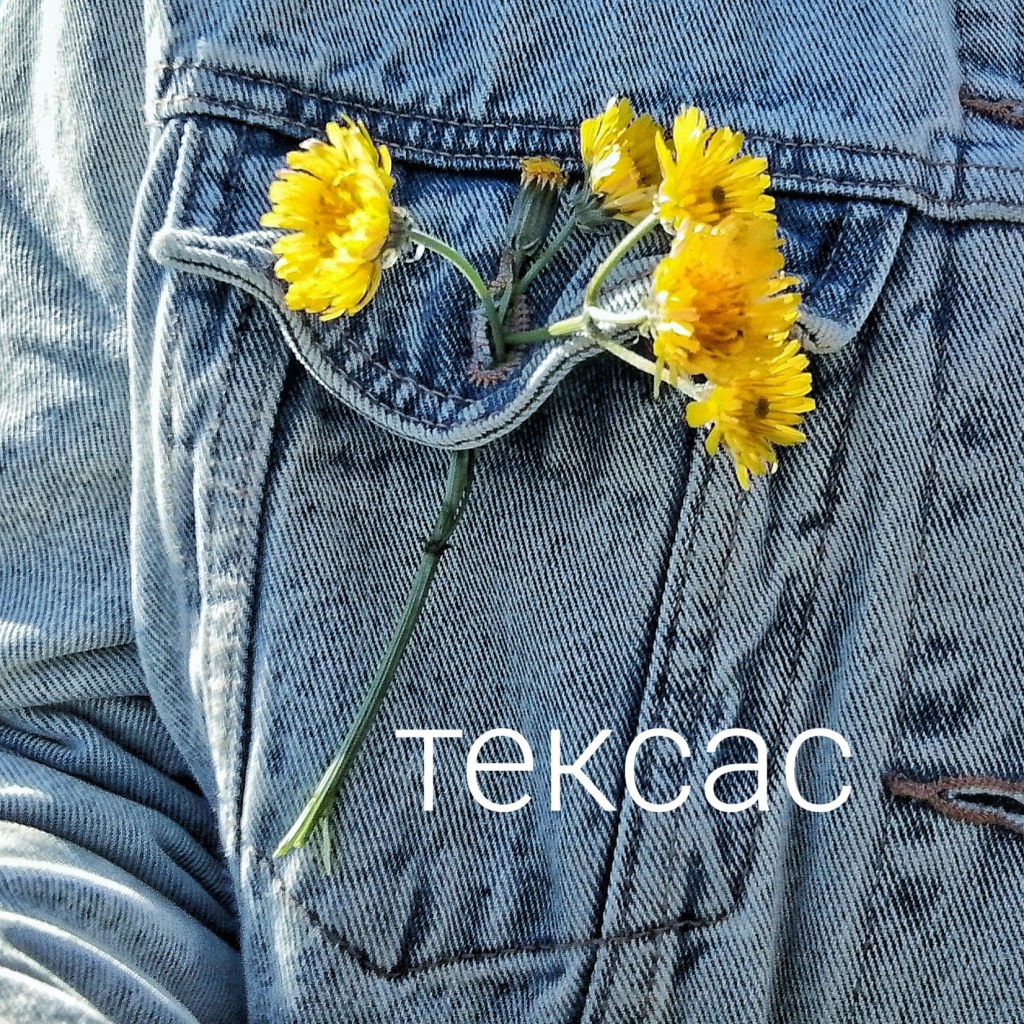
3) After the US state of Texas: texans (trousers) in Catalan teksas (textile) in Croatian teksas (textile); teksasy (trousers) in Polish тексас (textile) in Macedonian, Serbian tejanos in Spanish
The title of the photo: “Scáth an tí san uisce” = “A reflection of the house in the water”. The word “scáth” means also: 1) shadow, shade 2) fear, dread
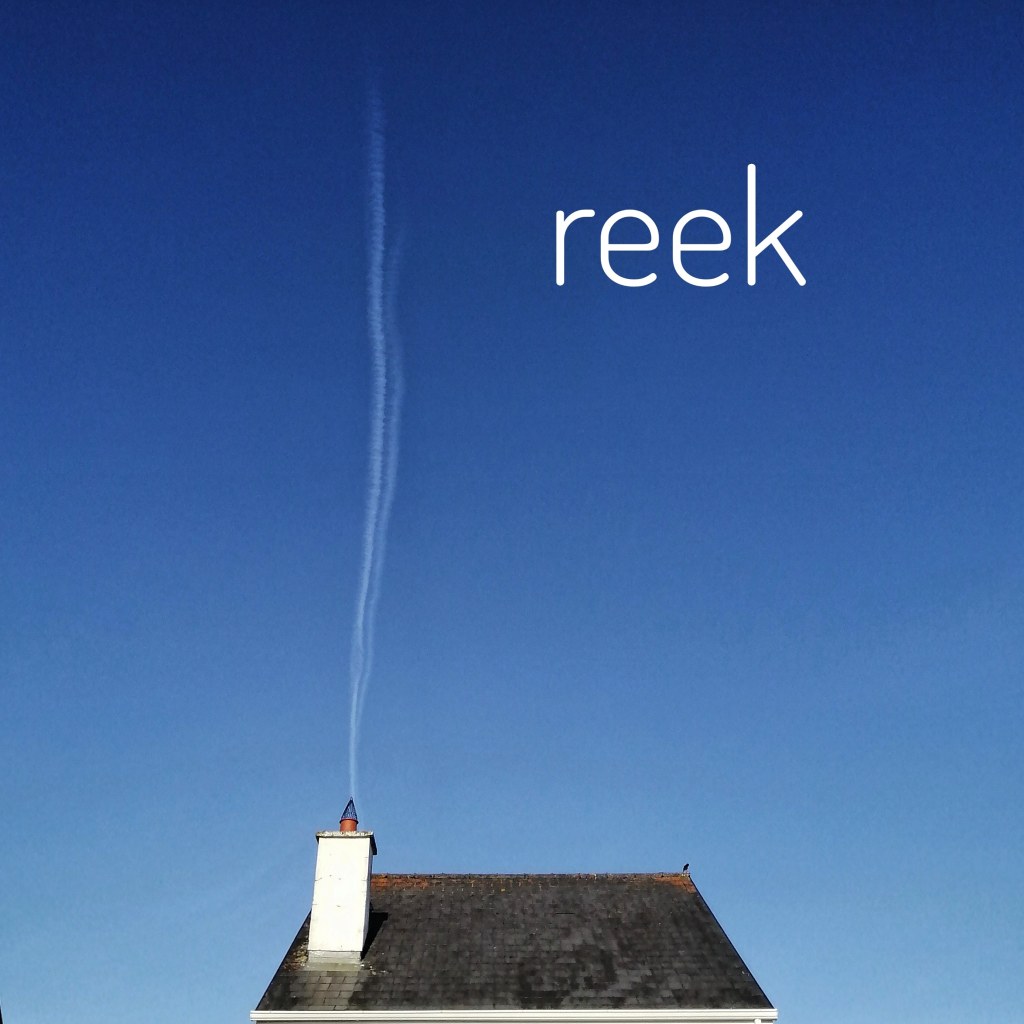
The words “smoke” in three Frisian languages have the letter “r” at the beginning and the letter “k” at the end. In the middle they have different doubled vowels.
reek in West Frisian riik in North Frisian Rook in Saterland Frisian
All three are cognates of the English word “reek” (strong unpleasant smel).
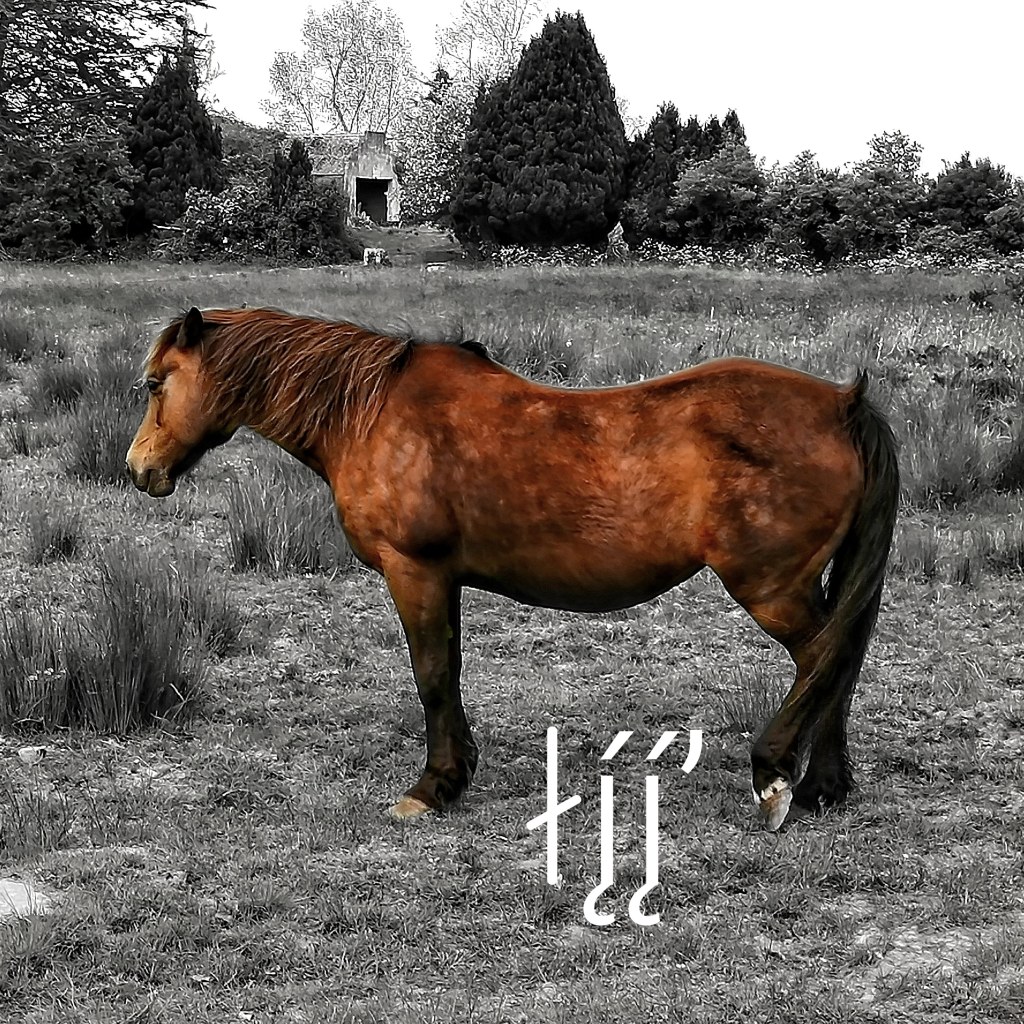
It used to mean “pet”, then it meant “dog” which is retained in many Athabaskan cognates. Finally the Navajo (and Western Apache) language transferred the usage of “łį́į́ʼ” to the horse, the new pet in their culture.


 Daily Logorrhoea