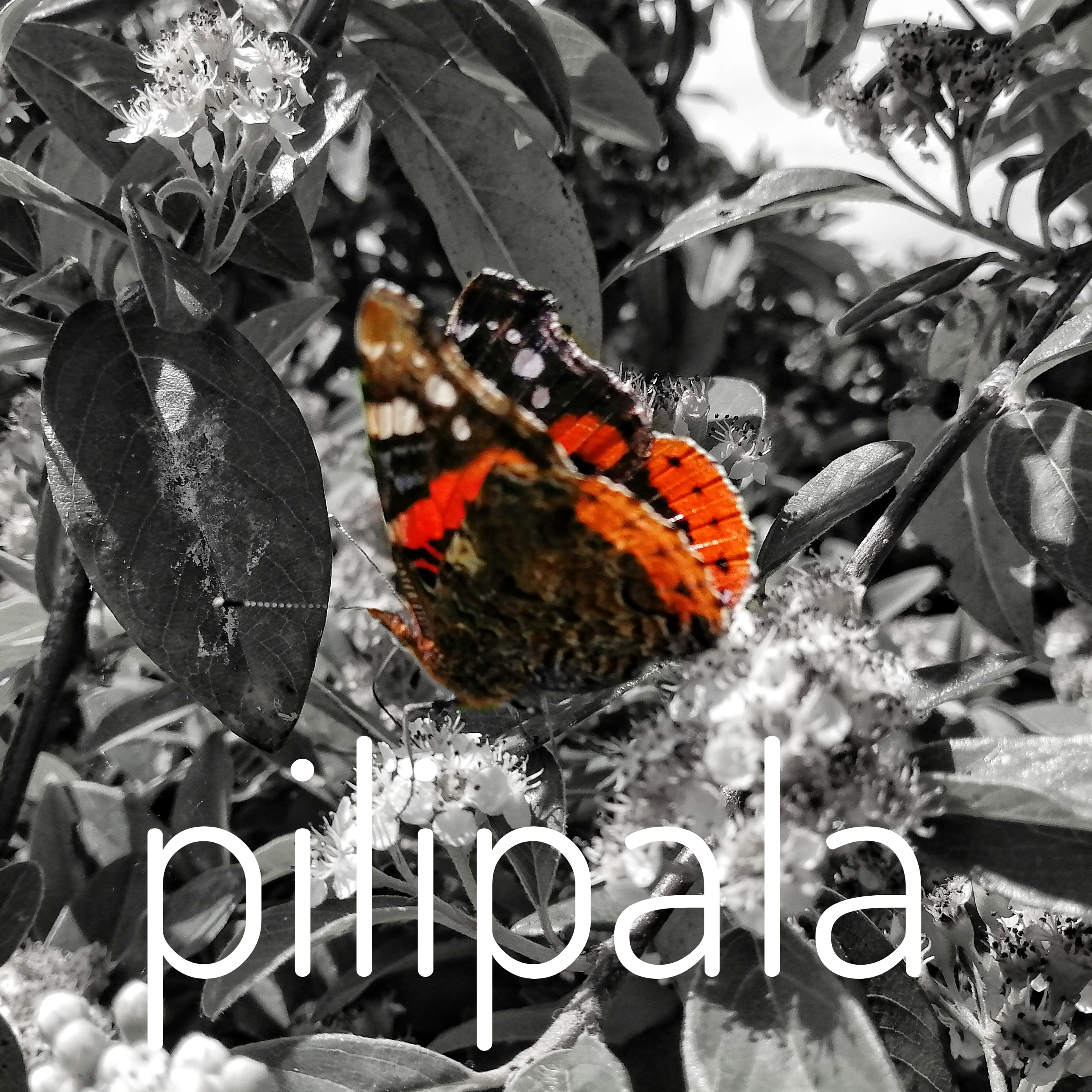
pilipala

pilipala = butterfly in Welsh

If I was to choose one thing with the greatest number of beautiful, exotic, fascinating and sometimes mind-boggling translations, it would definitely be “butterfly”.

Think about the English name. How “butter” got into “butterfly”? Some say that the name originally applied to yellow butterflies. Others maintain that it is because those insects feed on milk and butter. There are also people who say butterflies excrete butter-like substance.

The Dutch call it “vlinder”. You may say “Nothing special” but imagine that they used to call it “boterschijte” – literally “butter shitter”.

In Cornish you have “tykki Duw” (God’s pretty thing)

Some languages compare butterflies to birds. Like Danish & Norwegian “sommerfugl” (summer bird).

Finally there is a festival of amazing words from around the world:
kupu-kupu in Balinese
пеперуда {peperuda} in Bulgarian
alibangbang, kabakaba in Cebuano
ⵉⴱⵍⵉⵍⵍⵉ {iblilli} in Central Atlas Tamazight
nipwisipwis in Chuukese
balabalaa in Gamilaraay
pulelehua in Hawaiian
olookolombooka in Igbo
lumbembambemba in Kongo
libālabā in Livonian
bulubulu in Luba-Kasai
ɔsámpúrimpúri in Maasai
copo-copo in Macanese
kalidrungudrungulj in Paiwan
borboleta in Portuguese
mariavolavola in Sardinian
bươm bướm in Vietnamese
cinci-maɭu-maɭu in Warlpiri
buuja-buuja in Wiradhuri
labalábá in Yoruba
and many many more.

Photo by @lukaszdaciuk (Instagram)

#dailylogorrhoea #logorrhoea #linguistics #words #languages #focail #teangacha #słowa #języki #sanat #kielet #слова #мови #slova #jazyky #kelimeler #diller
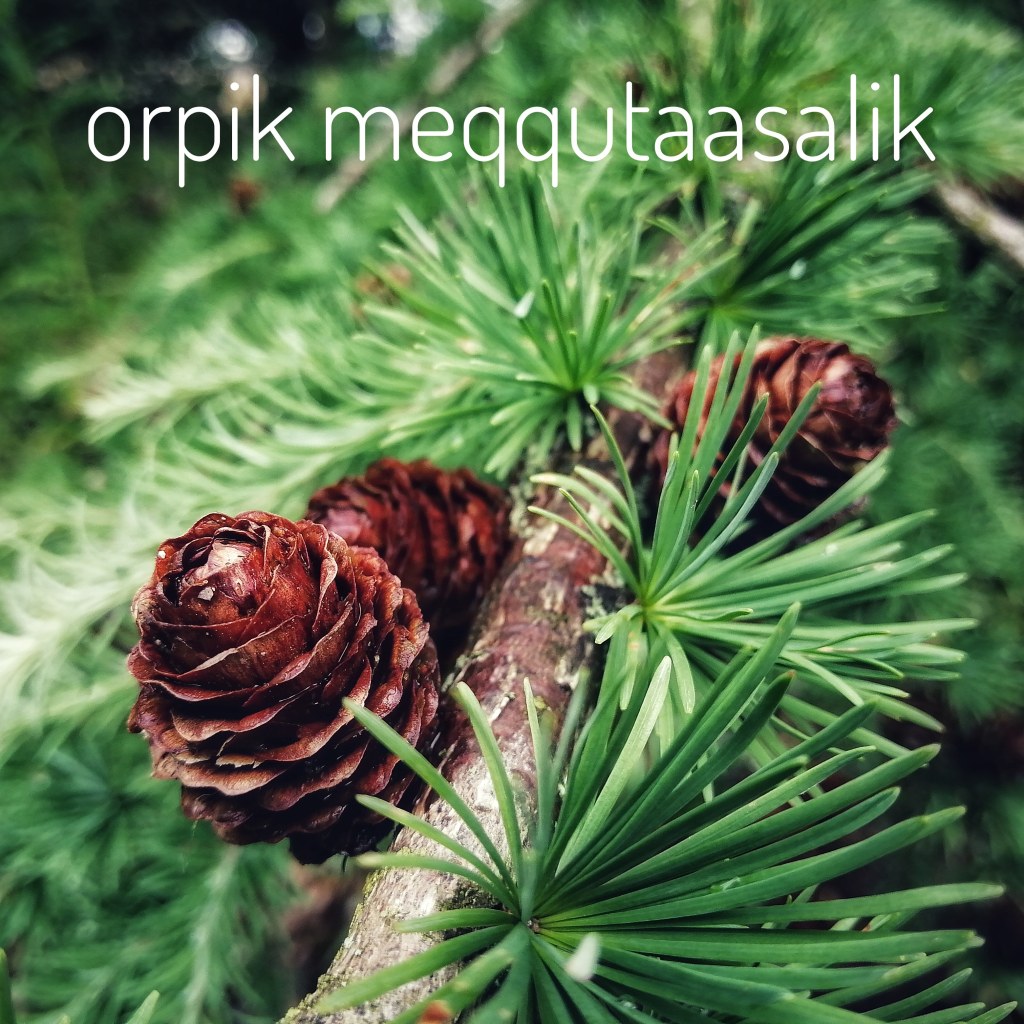
orpik meqqutaasalik

orpik meqqutaasalik = conifer in West Greenlandic

West Greenlandic (Kalaallisut) is a really interesting polysynthetic language from the Eskimo-Aleut family. It is an official language of Greenland.

In polysynthetic languages word (or rather sentence-words) are composed of multiple morphemes.

meqqut = sewing needle
USAQ [morpheme] = something like a
meqqut + USAQ > meqqutaasaq = something like a sewing needle
LIK [morpheme] = having, equipped with
meqqut + USAQ + LIK > meqqutaasalik = having things like sewing needles
orpik meqqutaasalik = a tree having things like sewing needles

Photo by @lukaszdaciuk (Instagram)

#dailylogorrhoea #logorrhoea #linguistics #words #languages #focail #teangacha #słowa #języki #sanat #kielet #слова #мови #slova #jazyky #kelimeler #diller
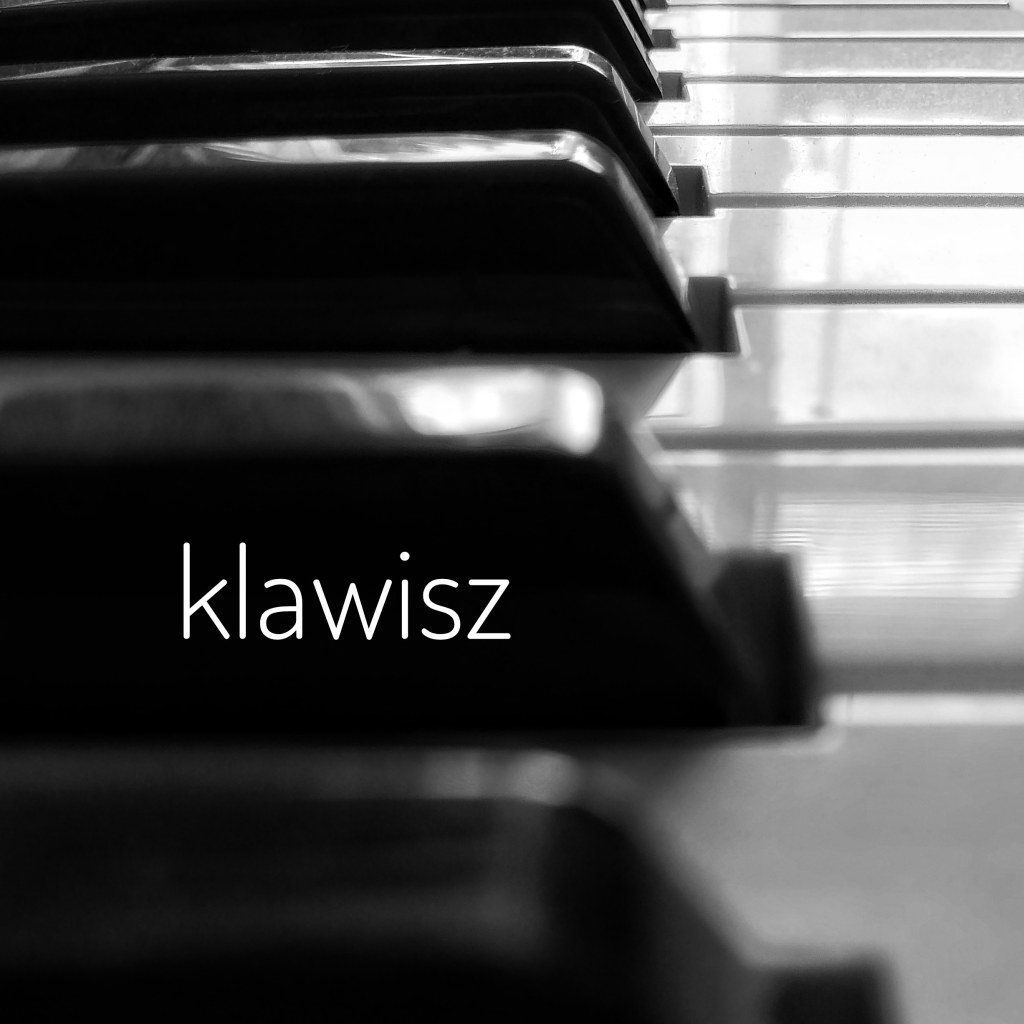
klawisz

klawisz = key (as a part of any keyboard) in Polish

The word “klawisz” comes from the Latin “clavis” (key) and it means a key in any keyboard (computer, musical, etc) but it has also a second meaning. More relevant to its Latin forefather. Colloquially it is a prison guard.

Photo by @lukaszdaciuk (Instagram)

#dailylogorrhoea #logorrhoea #linguistics #words #languages #focail #teangacha #słowa #języki #sanat #kielet #слова #мови #slova #jazyky #kelimeler #diller
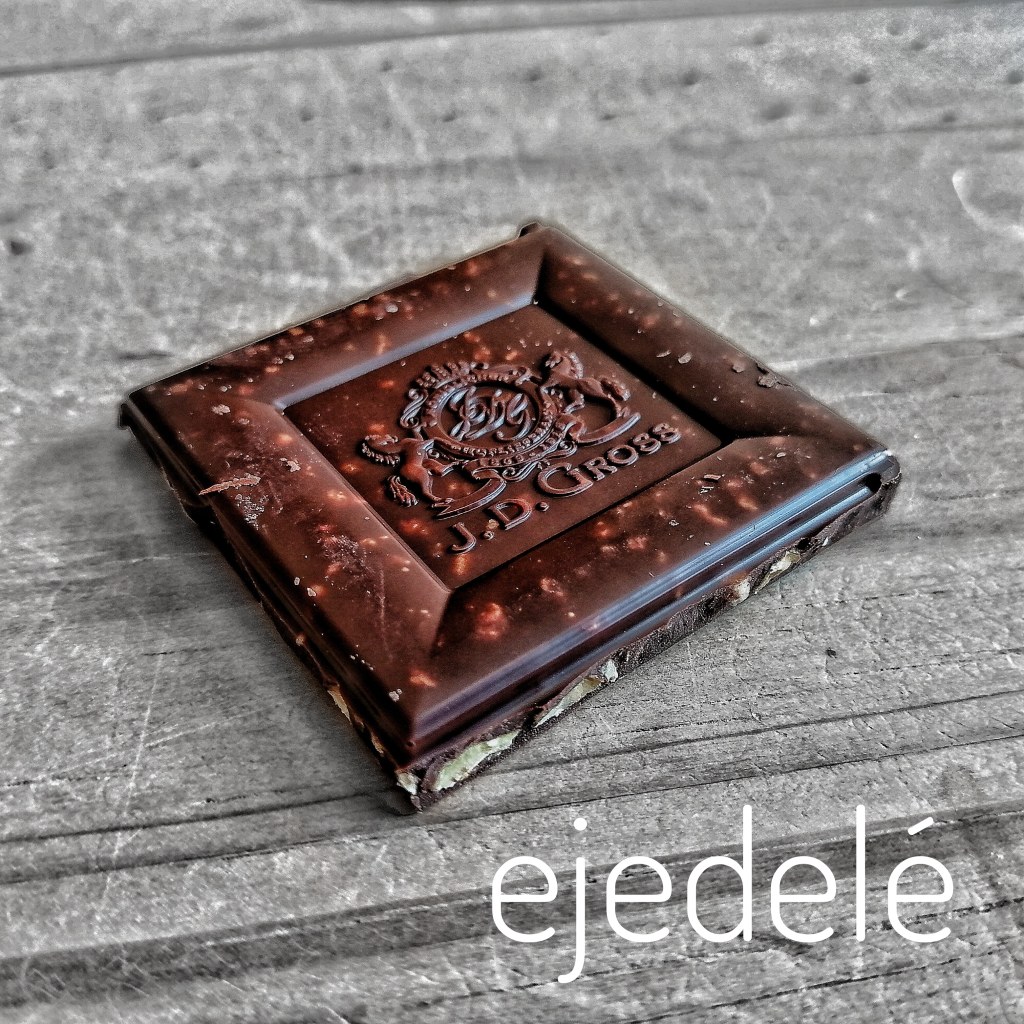
ejedelé

ejedelé = chocolate in Chipewyan

Most of the World languages borrowed their words for “chocolate” from the Nahuatl “chocolātl” through the Spanish “chocolate”.
Only a few have their own native words. One of them is the Chipewyan language. It is a fascinating language of one of the indigenous peoples from Canada. I love the fact that it uses Latin script but it “decorates” the letters with abundanace of diacritics. The “Chipewyan language” in Chipewyan is “Dënësųłinë́”.

Photo by @lukaszdaciuk (Instagram)

#dailylogorrhoea #logorrhoea #linguistics #words #languages #focail #teangacha #słowa #języki #sanat #kielet #слова #мови #slova #jazyky #kelimeler #diller
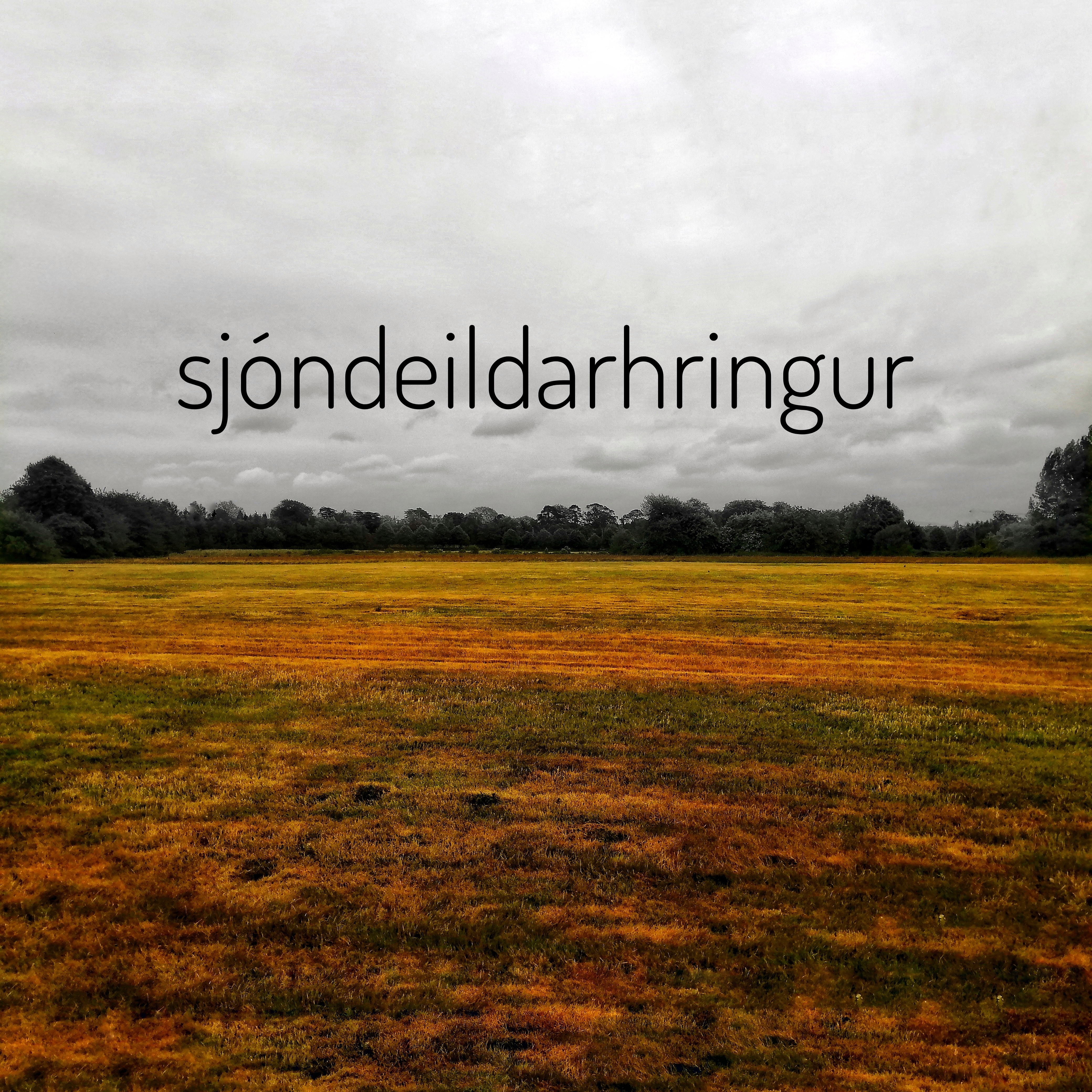
sjóndeildarhringur

sjóndeildarhringur = horizon in Icelandic

The word “sjóndeildarhringur” is a compound word consisting of words “sjón” (sight, seeing, vision), “deild” (division) and “hringur” (circle, ring) which could be loosely translated as “a circle of a divided vision”.

That reminds me of a Polish word “widnokrąg” containing words “widno” (visibly in Old Polish, daylight in Modern Polish) and “krąg” (circle), so “a circle of a vision”. There’s also a more familiar synonym “horyzont”.

Photo by @lukaszdaciuk (Instagram)

#dailylogorrhoea #logorrhoea #linguistics #words #languages #focail #teangacha #słowa #języki #sanat #kielet #слова #мови #slova #jazyky #kelimeler #diller
öö

öö = night in Estonian

In all Finnic languages, the word “night” is short and consists of only vowels. They all come from the Proto-Finnic *öö.

ö in Veps
öö in Estonian, Ingrian & Votic
yö in Finnish, Karelian, Livvi & Votic
üö in Ludian
üü in Võro
īe in Livonian

Photo by @lukaszdaciuk (Instagram)

#dailylogorrhoea #logorrhoea #linguistics #words #languages #focail #teangacha #słowa #języki #sanat #kielet #слова #мови #slova #jazyky #kelimeler #diller
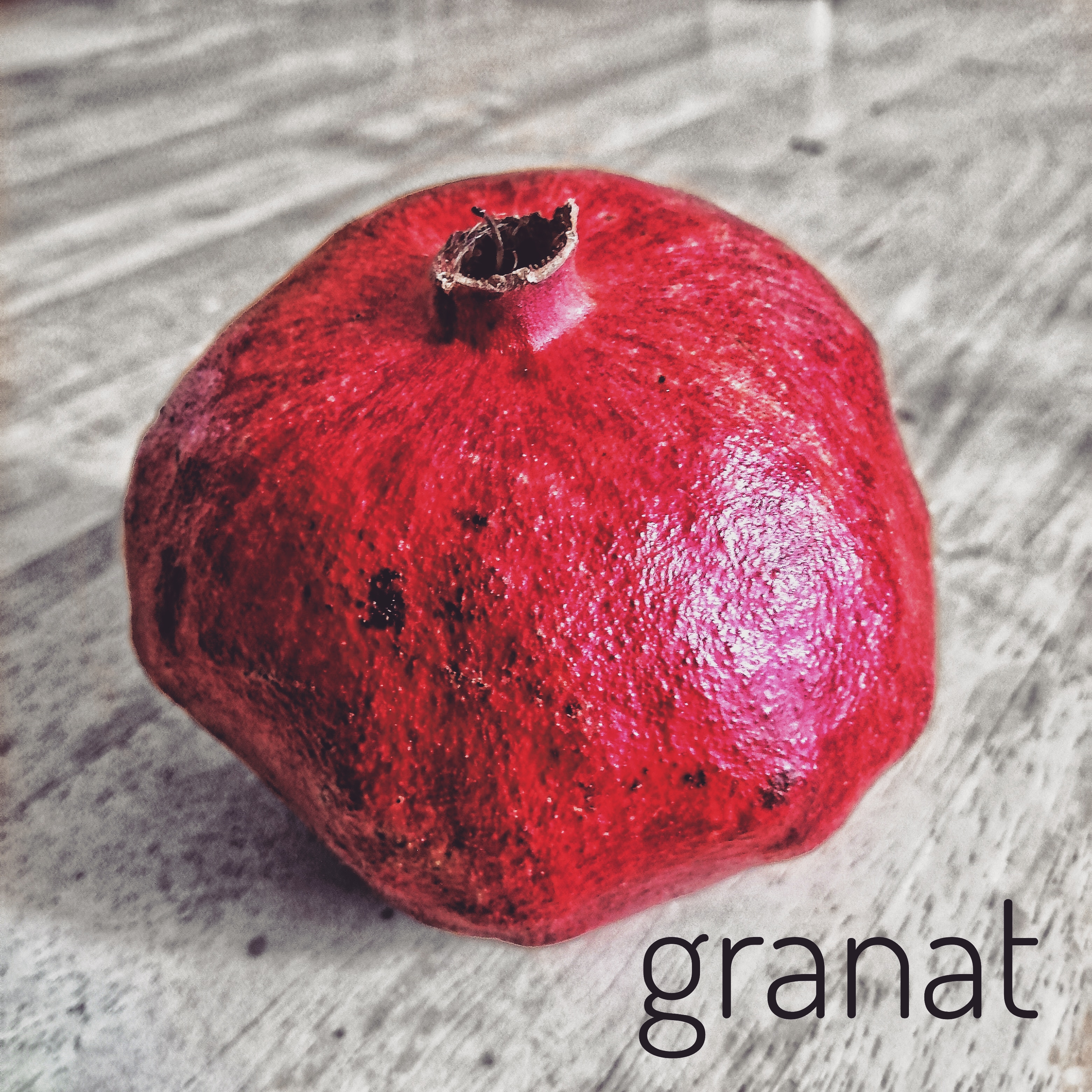
granat

granat = pomegranate in Polish

The word “granat” has four meanings in Polish language.

First meaning is not a surprise. It is a fruit of Punica granatum, red globules with seeds contained in a hard reddish skin. In many languages that word originates in the Latin “grana” (grains, seeds) > “granatus” (having many grains or seeds, grainy) > “pomum granatum” (fruit having many grains or seeds), also “malum granatum” (apple having many grains or seeds) > “granatum” (pomegranate).
grenade in French
granāts in Latvian
granatas in Lithuanian
granat in Polish
гранат {granat} in Russian
granada in Spanish
гранат {hranat} in Ukrainian
But it is also worth to mention that most of languages left “fruit” or “apple” in the name.
pomegranate in English (pomum = fruit in Latin)
granátove jablko in Czech & Slovak (jablko = apple)
granatæble in Danish (æble = apple)
granaatappel in Dutch (appel = apple)
granaattiomena in Finnish (omena = apple)
Granatapfel in German (Apfel = apple)
melagrana in Italian (mela = apple)
pomagránait, gránúll in Irish (poma from pomum = fruit in Latin, úll = apple)
granatno jabolko in Slovene (jabolko = apple)
grawnafal, pomgranad in Welsh (afal = apple, pom from pomum = fruit in Latin)

Second meaning is also not surprising. It means “granade”. It is of the same origin and used in many languages.
граната {hranata} in Belarusian & Ukrainian
граната {granata} in Bulgarian, Russian & Serbian
granada in Catalan, Portuguese & Spanish
granata in Croatian & Slovene
granát in Czech & Slovak
granat in Danish & Polish
granaat in Dutch
kranaatti in Finnish
grenade in French
Granate in German
gránáid in Irish

The third meaning is still no surprise. It is a hard transparent mineral. The word, like in many other languages, is related with a fruit and a explosive device.
гранат {granat} in Bulgarian & Russian
granat in Catalan, Polish, Romanian & Swedish
granát in Czech & Slovak
granaat in Dutch
granaatti in Finnish
grenat in French
Granat in German
gairnéad in Irish
granato, granata in Italian
granada in Portuguese
granate in Spanish
garned in Welsh

But the fourth meaning is weird. In Polish “granat” (as a noun) and “granatowy” (as an adjective) means also “navy blue” so dark blue (sic!) colour.
It may be explained by the fact that in Old Polish, “granatowy” meant dark red, dark violet and dark blue colours and that would match the colour af pomegranates but later on just the dark blue was retained.

Photo by @lukaszdaciuk (Instagram)

#dailylogorrhoea #logorrhoea #linguistics #words #languages #focail #teangacha #słowa #języki #sanat #kielet #слова #мови #slova #jazyky #kelimeler #diller
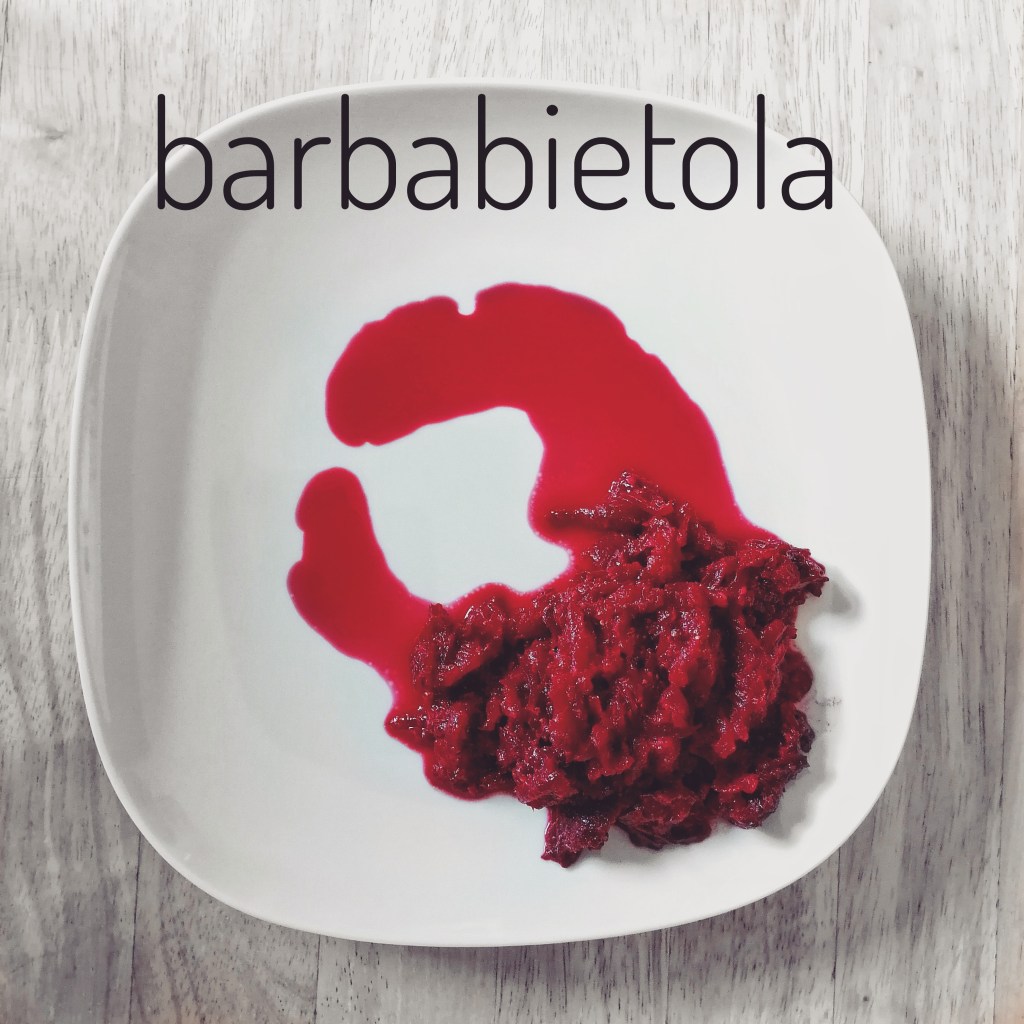
barbabietola

barbabietola = beetroot in Italian

From “barba” (root; beard) and “bietola” (beet).

Photo by @lukaszdaciuk (Instagram)

#dailylogorrhoea #logorrhoea #linguistics #words #languages #focail #teangacha #słowa #języki #sanat #kielet #слова #мови #slova #jazyky #kelimeler #diller
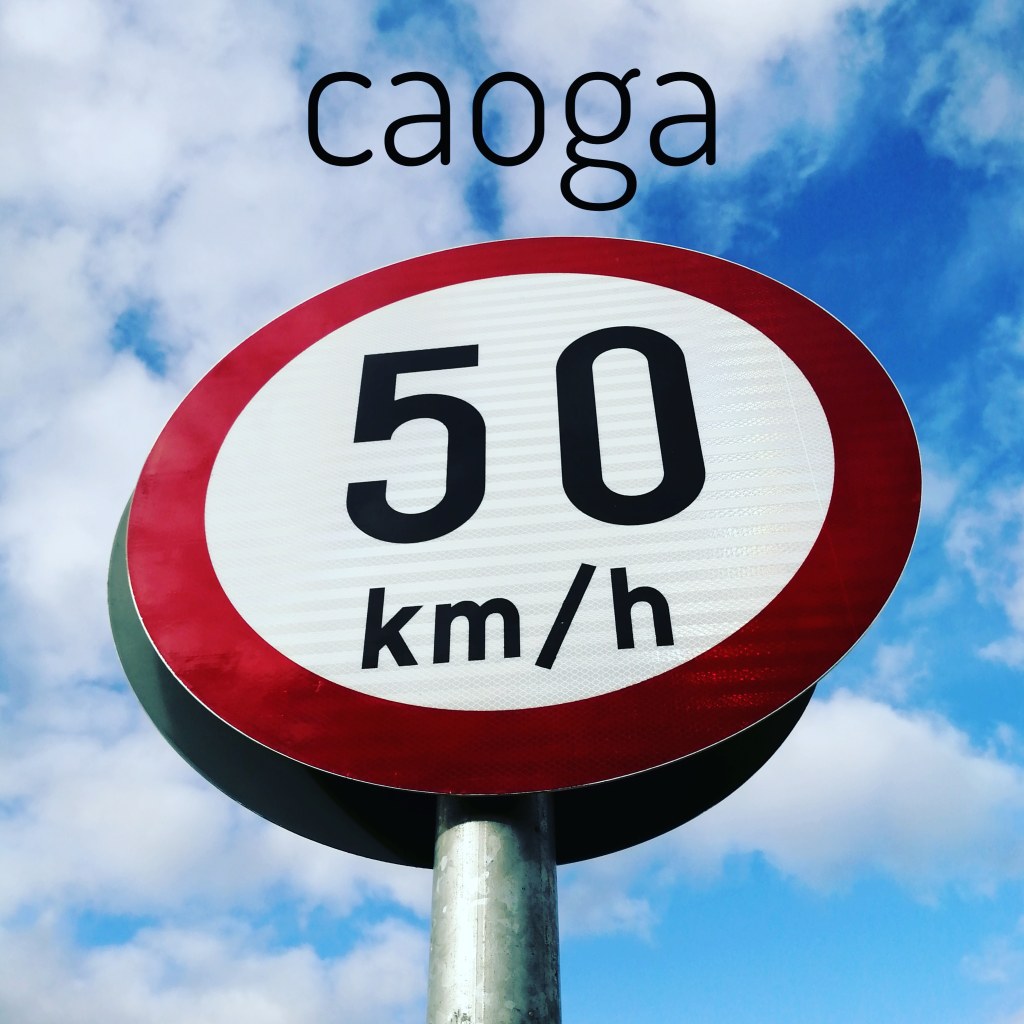
caoga

caoga = fifty in Irish

The numeral “fifty” can be also expressed as “deich agus deichead” (ten and forty).

caoga duine = fifty persons
deich nduine agus deichead (literally: ten persons and forty) = fifty persons

Photo by @lukaszdaciuk (Instagram)

#dailylogorrhoea #logorrhoea #linguistics #words #languages #focail #teangacha #słowa #języki #sanat #kielet #слова #мови #slova #jazyky #kelimeler #diller

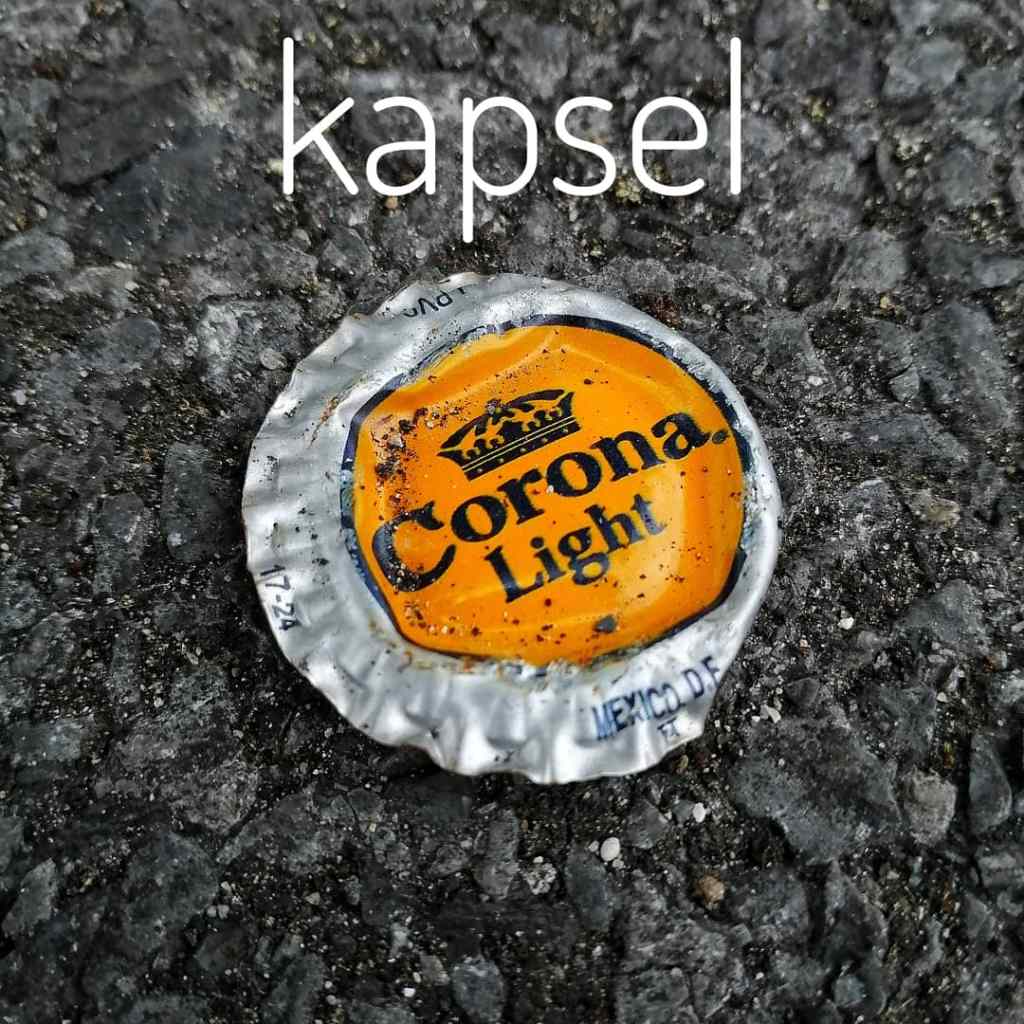
kapsel

kapsel = bottle cap in Polish

A number of words come crom the Latin “capsula” (small box or chest).

capsule in English
capsule (capsule; bottle cap) in French
capsula (capsule; crown in a tooth) in Italian
cápsula (capsule) in Portuguese & Spanish
càpsula (capsule) in Catalan
капсула {kapsula} (capsule) in Bulgarian, Macedonian & Russian
капсюль {kapsjul} (percussion cap) in Russian
kapsuła (capsule) in Polish
kapsel (capsule) in Danish
kapsel (haircut; capsule) in Dutch
Kapsel (capsule) in German
Kapsel (capsule; bottle cap) in Luxembourgish
kapsel (capsule) in Norwegian
kapsel (bottle cap) in Polish

We often played a game called “kapsle” (bottle caps) when I was a child.

Photo by @lukaszdaciuk (Instagram)

#dailylogorrhoea #logorrhoea #linguistics #words #languages #focail #teangacha #słowa #języki #sanat #kielet #слова #мови #slova #jazyky #kelimeler #diller