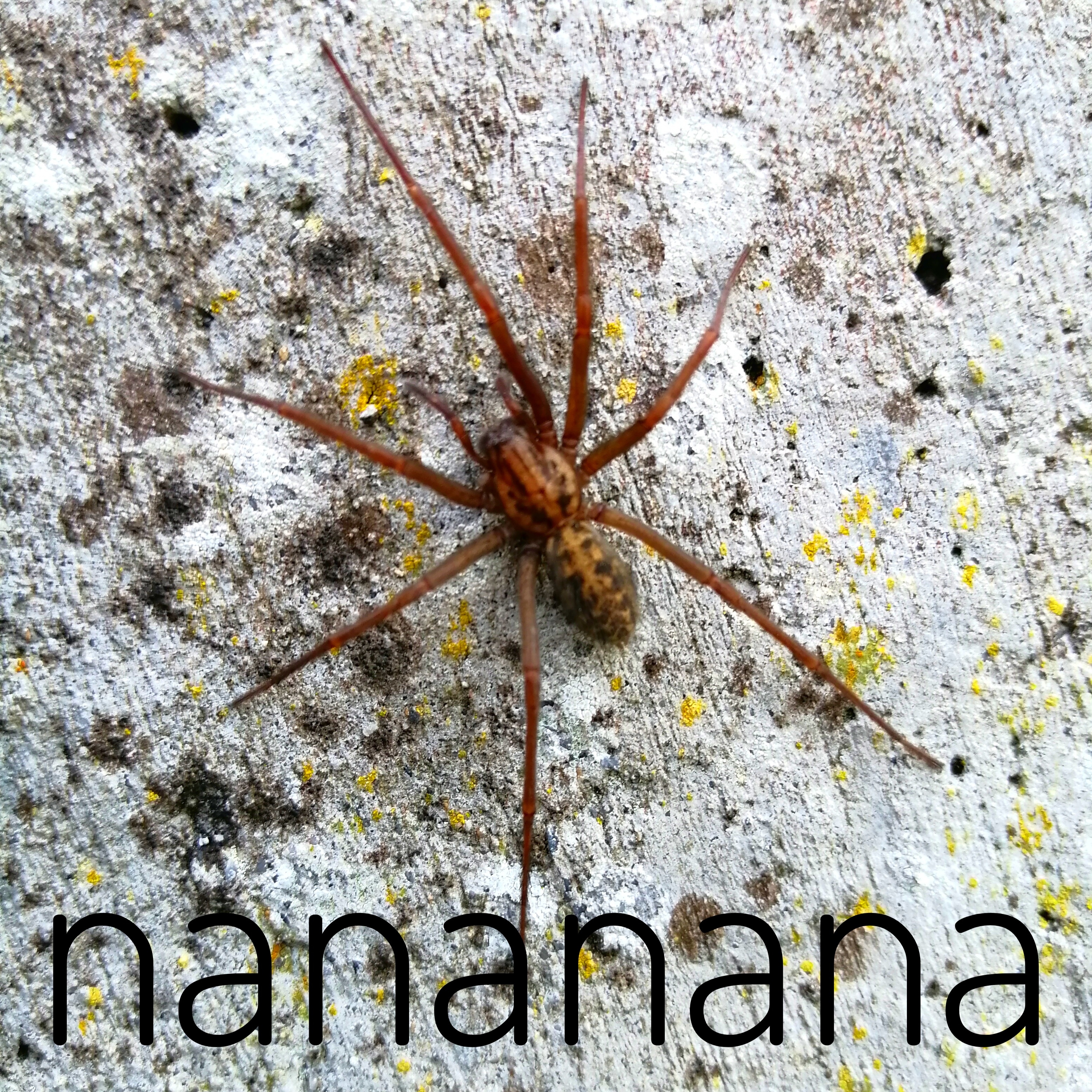
nananana

nananana = spider in Hawaiian

It is the most “repetitive” word I have ever seen in my whole puff.

Words like that in the Hawaiian language are possible because:
1) It has just 5 vowels (aeiou) and 8 consonants (hklmnpw’)
2) There’s no consonant clusters and after every consonant a vowel has to follow

The scarcity of letters/sounds leads to really intetesting results when foreign words are borrowed into Hawaiian and they are Hawaiianaised:
Palakila = Brazil
Kipalaleka = Gibraltar
Kalikimaka = Christmas
kamepiula = computer
Lopaka = Robert

Photo by @lukaszdaciuk (Instagram)

#dailylogorrhoea #logorrhoea #linguistics #words #languages #focail #teangacha #słowa #języki #sanat #kielet #слова #мови #slova #jazyky #kelimeler #diller
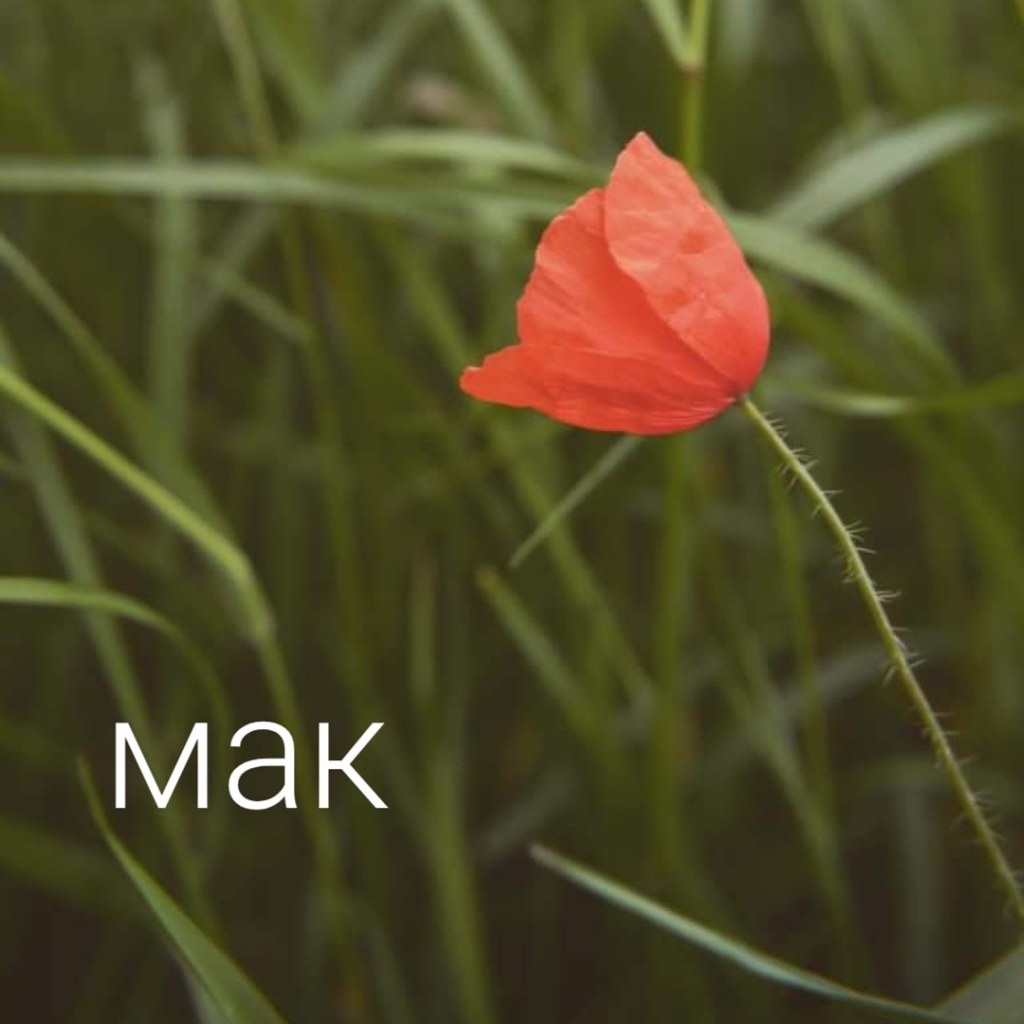
мак

мак {mak} = poppy in Ukrainian

Poppywise all Slavic languages are very consistent.

мак {mak} in Belarusian, Bulgarian, Macedonian, Russian, Serbian, Ukrainian
mak in Croatian, Kashubian, Lower Serbian, Polish, Silesian, Slovak, Slovene, Slovincian, Upper Sorbian
mák in Czech
They all come from the Proto-Slavic *makъ.

Photo by @lukaszdaciuk (Instagram)

#dailylogorrhoea #logorrhoea #linguistics #words #languages #focail #teangacha #słowa #języki #sanat #kielet #слова #мови #slova #jazyky #kelimeler #diller
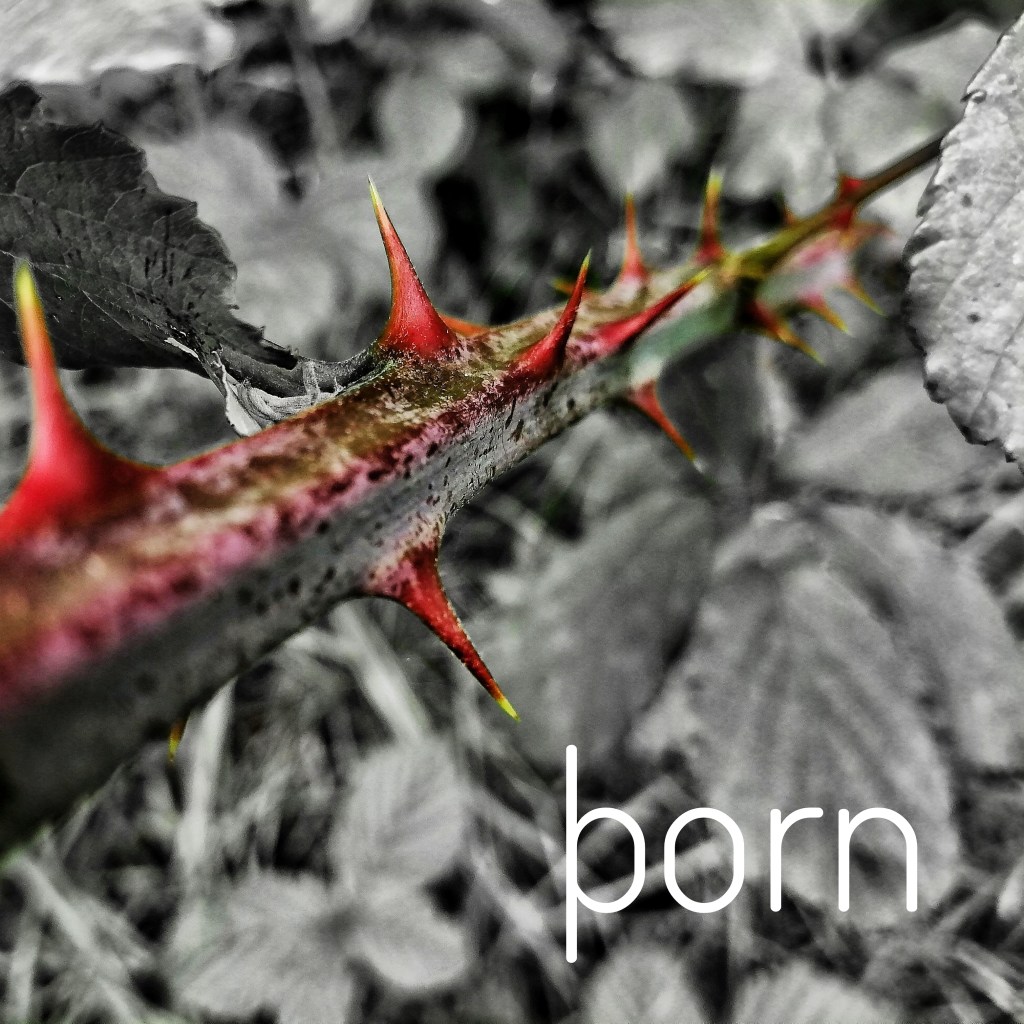
þorn

þorn = thorn in Old English

*trnós (sharp, stiff) in Proto-Indo-European > *þurnuz (thorn) in Proto-Germanic > þorn / þyrn (thorn) in Old English > thorn / þorn (thorn) in Middle English > thorn in English

The letter “þ” (uppercase “Þ”) existed in the Old Norse, Old English and Middle English alpahbets. Then it was replaced by other letters in most if the Germanic languages.
th > “thorn” (English, Old Dutch)
d > “doorn” (Dutch), “Dorn” (German)
t > “torn” (Danish, Norwegian), “tornur” (Faroese), “törne” (Swedish), “toarn” (West Frisian)
All meaning “thorn”.

Only Icelandic retained the letter “þ” after the Old Norse. The letter is called “þorn” in Icelandic.
“þorn” (Old Norse) > “þyrnir” (Islandic) = torn

Photo by @lukaszdaciuk (Instagram)

#dailylogorrhoea #logorrhoea #linguistics #words #languages #focail #teangacha #słowa #języki #sanat #kielet #слова #мови #slova #jazyky #kelimeler #diller

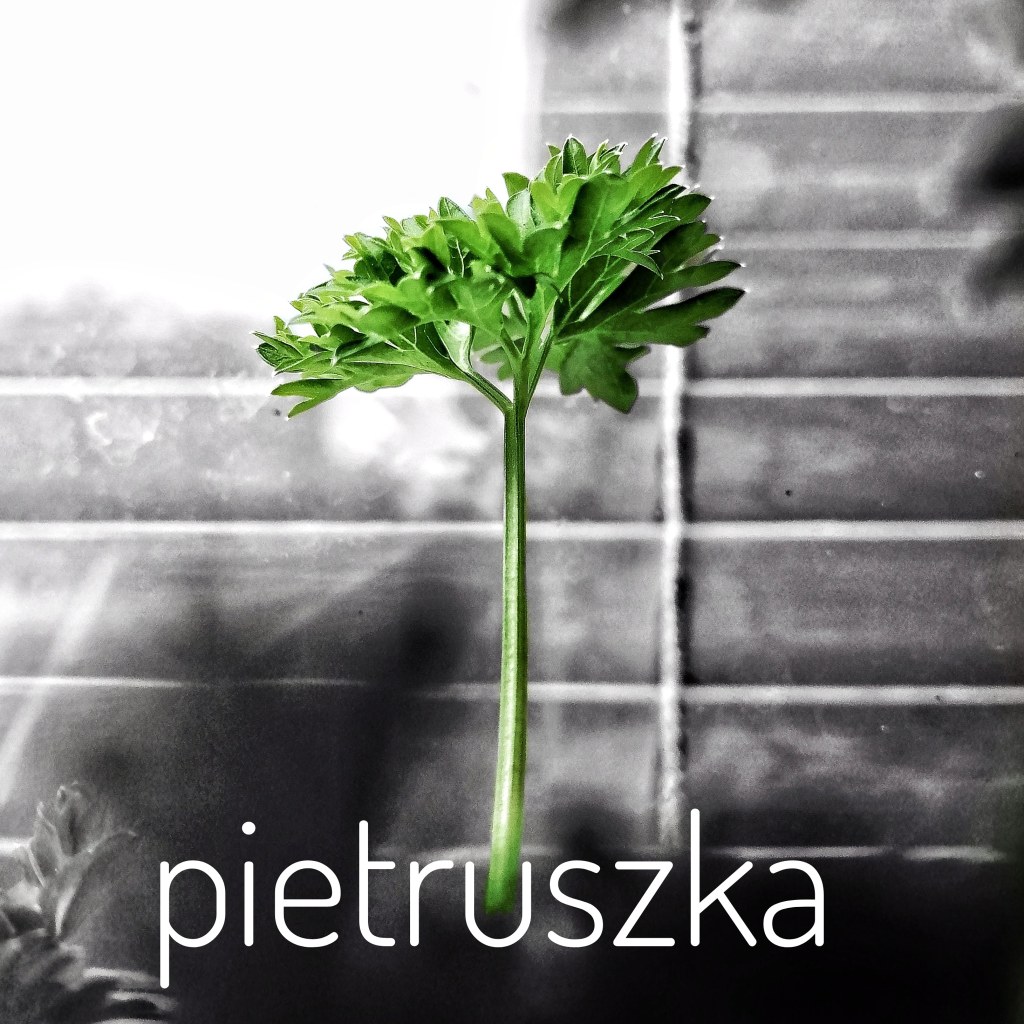
pietruszka

pietruszka = parsley in Polish

It always amazes me how long way words travel from one language to the other. The word “pietruszka” comes from the Greek “πετροσέλῑνον” {petrosélīnon} (parsley), combination of the words “πέτρος” {pétros} (rock, stone) and “σέλῑνον” {sélīnon} (celery) so literally from “stone celery”.

Here’s the full way:
“πετροσέλῑνον” {petrosélīnon} in Ancient Greek > petroselinum in Latin > petrosilium in Medieval Latin > pietruziele / piotruziele / piotruszka in Old Polish > pietruszka in Modern Polish
All meaning “Petroselinum crispum”. Simply “parsley” in English.

In many European languages the way was the same:
perrexil in Basque
пятрушка {pjatruška} in Belarusian
petržel, petrželka in Czech
persille in Danish & Norwegian
peterselie in Dutch
parsley in English (petersiliġe in Old English)
petersell in Estonian
persilja in Finish & Swedish
persil in French (
Petersilie in German
πετροσέλινο {petrosélino} in Greek
petrezselyem in Hungarian
steinselja in Icelandic (Latin “petro” was just replaced with the native “steinn” – stone)
peirsil in Irish
パセリ {paseri} in Japanese (hard to believe this is transformed English “parsleyc, he?)
파슬리 {paseulli} in Korean (same story like in Japanese)
pētersīlis in Latvian
petražolė in Lithuanian
pāhiri in Maori (same as Japanese & Korean)
pătrunjel in Romanian
петрушка {petruška} in Russian & Ukrainian
pairseil, pearsal in Scottish
petržlen in Slovak
peteršilj in Slovene
perejil in Spanish

Photo by @lukaszdaciuk (Instagram)

#dailylogorrhoea #logorrhoea #linguistics #words #languages #focail #teangacha #słowa #języki #sanat #kielet #слова #мови #slova #jazyky #kelimeler #diller
droichead

droichead = bridge in Irish

The word “droichead” comes from the Old Irish “drochet” < “droch” (wheel) + “sét” (way), which gave us also the Scottish “drochaid” and the Manx “droghad”.

Many Irish place names come from the word “droichead”. The most known is the town of “Droichead Átha” (Drogheda) meaning “a bridge of a ford”. This is one of the oldest Irish towns (founded in 911 AD) located north of Dublin.

Photo by @lukaszdaciuk (Instagram)

#dailylogorrhoea #logorrhoea #linguistics #words #languages #focail #teangacha #słowa #języki #sanat #kielet #слова #мови #slova #jazyky #kelimeler #diller
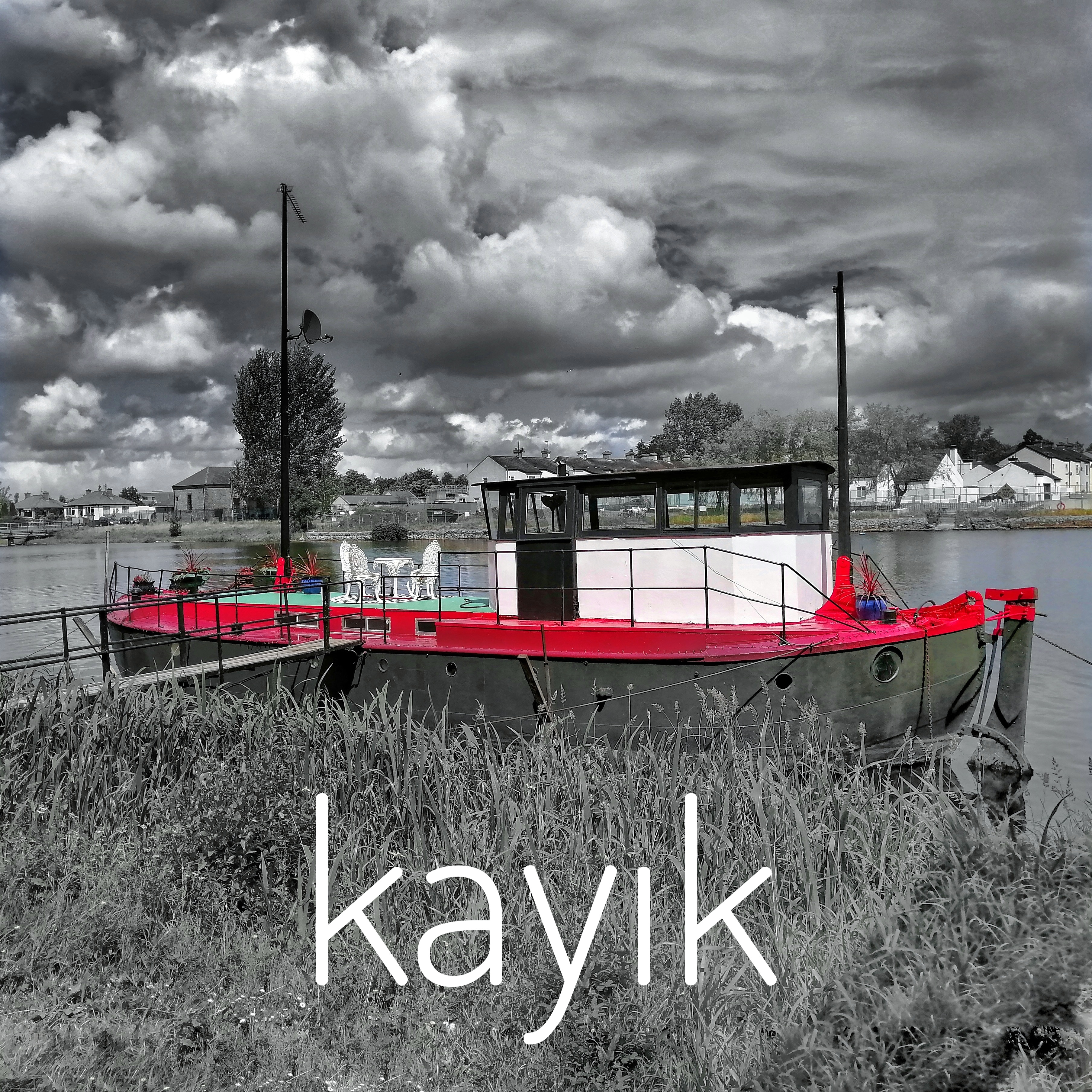
kayık

kayık = boat in Turkish

Turkish “kayık” (boat) and West Greenlandic “qajaq” (kayak) look and sound so similar. And their meanings are so close that it is hard to believe it but they are not cognates.

The word “kayık” comes from the Proto-Turkic words *kay-guk, *kay-gïk meaning “boat” / “oar”.
Descendants:
каик {kaik} in Bulgarian, Russian & Serbian
καικι {kaiki} in Greek
caicco in Italian
caïque in French
caique in English, Portuguese, Spanish
Kaik in German
kaik, kajik in Hungarian
kaik in Croatian
чайка {čajka} in Ukrainian
czajka in Polish
All of them meaning a wooden boat.

The word “qayaq” comes from the Proto-Eskimo word *qyaq.
Cognates:
qayaq, qayqx in Yup’ik languages
qayaq, ᖃᔭᖅ {qayaq} in Inuit languages
Descendants:
kayak in English & French
kajak in Czech, Danish, Dutch, Hungarian, Icelandic, Polish & Swedish
kájak in Slovak
Kajak in German
kajakk in Faroese
kajakki in Finnish
caiac in Romanian
cadhc in Irish
caidheag in Scottish
カヤック {kayakku} in Japanese
카약 {kayak} in Korean

Photo by @lukaszdaciuk (Instagram)

#dailylogorrhoea #logorrhoea #linguistics #words #languages #focail #teangacha #słowa #języki #sanat #kielet #слова #мови #slova #jazyky #kelimeler #diller
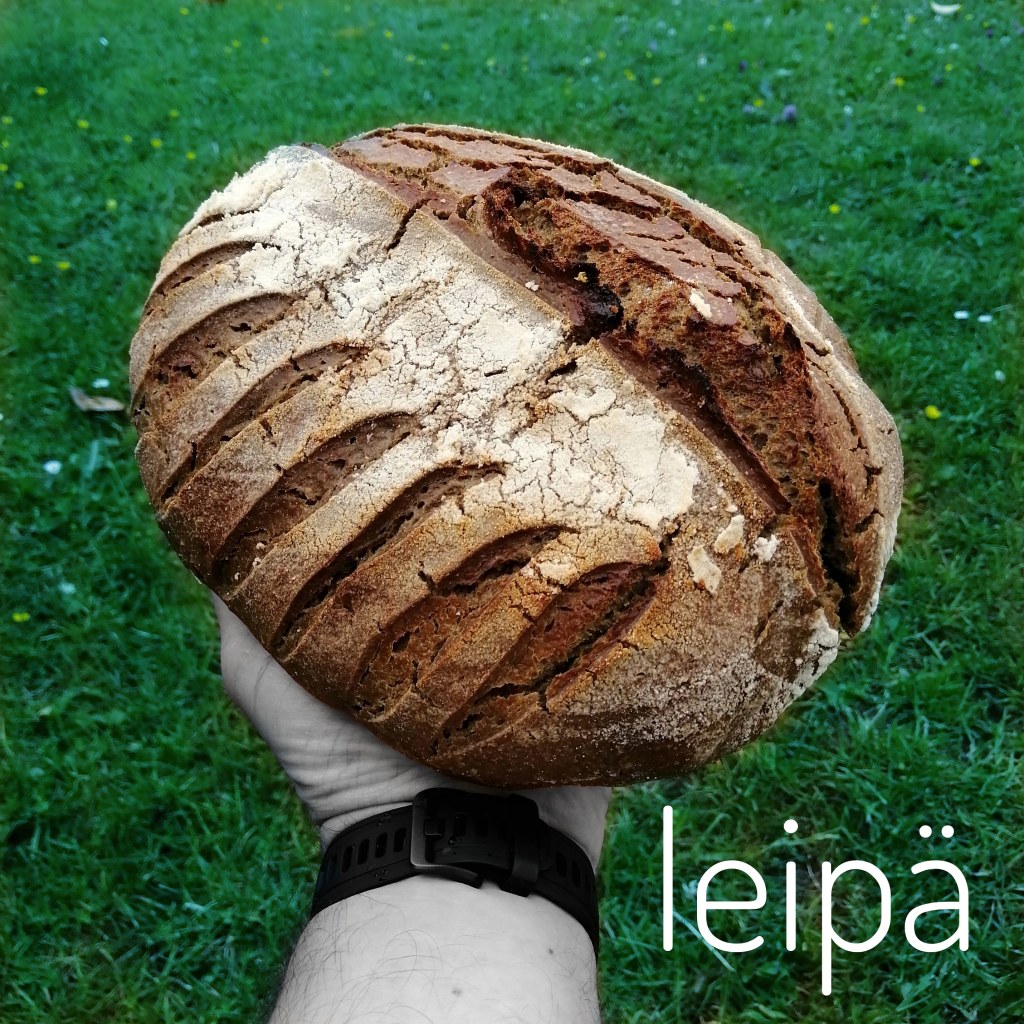
leipä

leipä = bread in Finnish

What do the English “loaf”, German “Laib” (loaf of bread), Icelandic “hleifur” (loaf of bread), Swedish “lev” (loaf of bread), Polish “chleb” (bread), Bulgarian “хляб” {hljab} (bread) and Finnish “leipä”? Well, they all come from the Proto-Germanic *hlaibaz (bread).

All Finnic and some Ugric languages borrowed that word from the Proto-Germanic.

Finnic languages:
leib in Estonian (> lēba in Livonian, leib in Võro)
leipä in Finnish, Ingrian & Votic
leipä / leibä in Karelian
leiby in Livvi
leib in Veps & Ludian

Ugric languages:
leibi in Inari Sami (through Finnish)
lei’bb in Skolt Sami (through Finnish)
laejpie in Southern Sami
lájbbie in Ume Sami
lájjbe in Pite Sami
lájbbe in Lule Sami
láibi in Northern Sami
ле̄ййп {lʹējjp} in Kildin Sami

Photo by @lukaszdaciuk (Instagram)

#dailylogorrhoea #logorrhoea #linguistics #words #languages #focail #teangacha #słowa #języki #sanat #kielet #слова #мови #slova #jazyky #kelimeler #diller
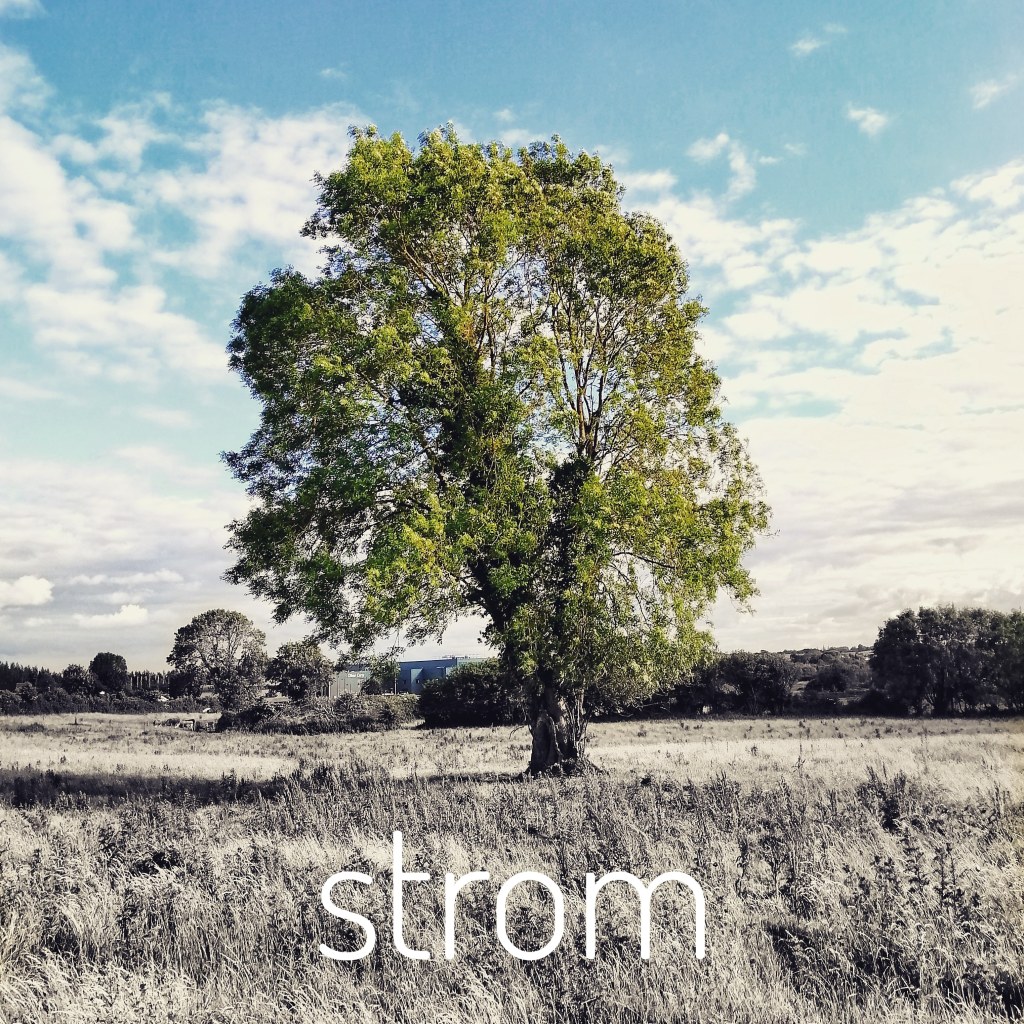
strom

strom = tree in Slovak

The word “tree” in five Slavic languages come from the Proto-Slavic word *stromъ meaning “steep”.
strom in Czech
стром {strom} in a Rusyn dialect
strům in Silesian
strom in Slovak
štom in Upper Sorbian

In the rest of the languages (except Lower Sorbian) it comes from the Proto-Slavic word *drъvo meaning “tree”.
дрэва {dreva} in Belarusian
дърво {dǎrvo} in Bulgarian
drvo, stablo in Croatian
drzéwò in Kashubian
дрво {drvo} in Macedonian
drzewo in Polish
дерево {derevo} in Russian, Rusyn & Ukrainian
дрво {drvo} in Serbian
drevo in Slovene

Only in Lower Sorbian it is “bom” from Middle High German “boum” or East Central German, German Low German “Boom”.

Photo by @lukaszdaciuk (Instagram)

#dailylogorrhoea #logorrhoea #linguistics #words #languages #focail #teangacha #słowa #języki #sanat #kielet #слова #мови #slova #jazyky #kelimeler #diller
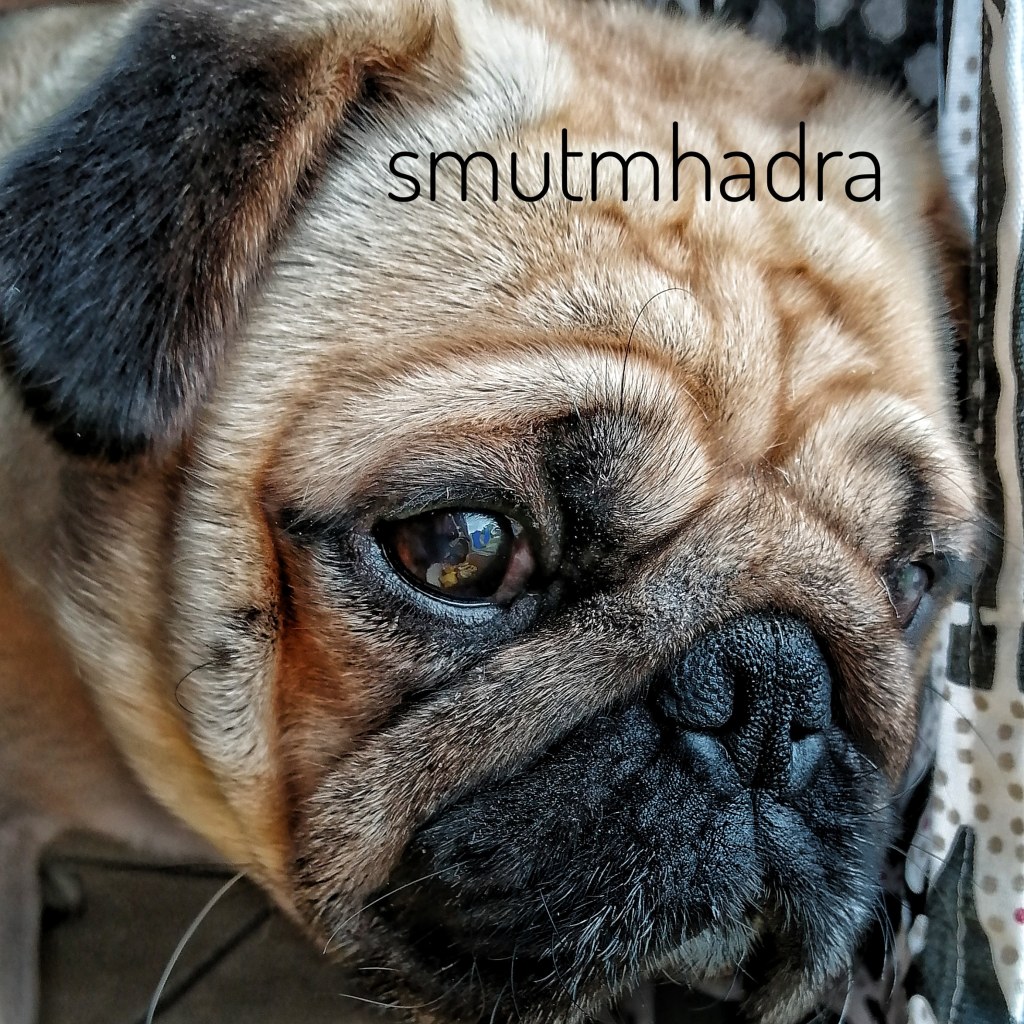
smutmhadra

smutmhadra = pug-dog in Irish

Most of the European languages borrowed the name for that cute dog from the Dutch “mops” (through the German “Mops”) or (probably) from “Carlin” – a nickname of Italian actor Carlo Bestinazzi (1713-83) whose Harlequin mask resembled a dog’s snout.

Irish language went different road. It joined two words: “smut” (snout) and “madra” (dog).

Photo by @lukaszdaciuk (Instagram)

#dailylogorrhoea #logorrhoea #linguistics #words #languages #focail #teangacha #słowa #języki #sanat #kielet #слова #мови #slova #jazyky #kelimeler #diller

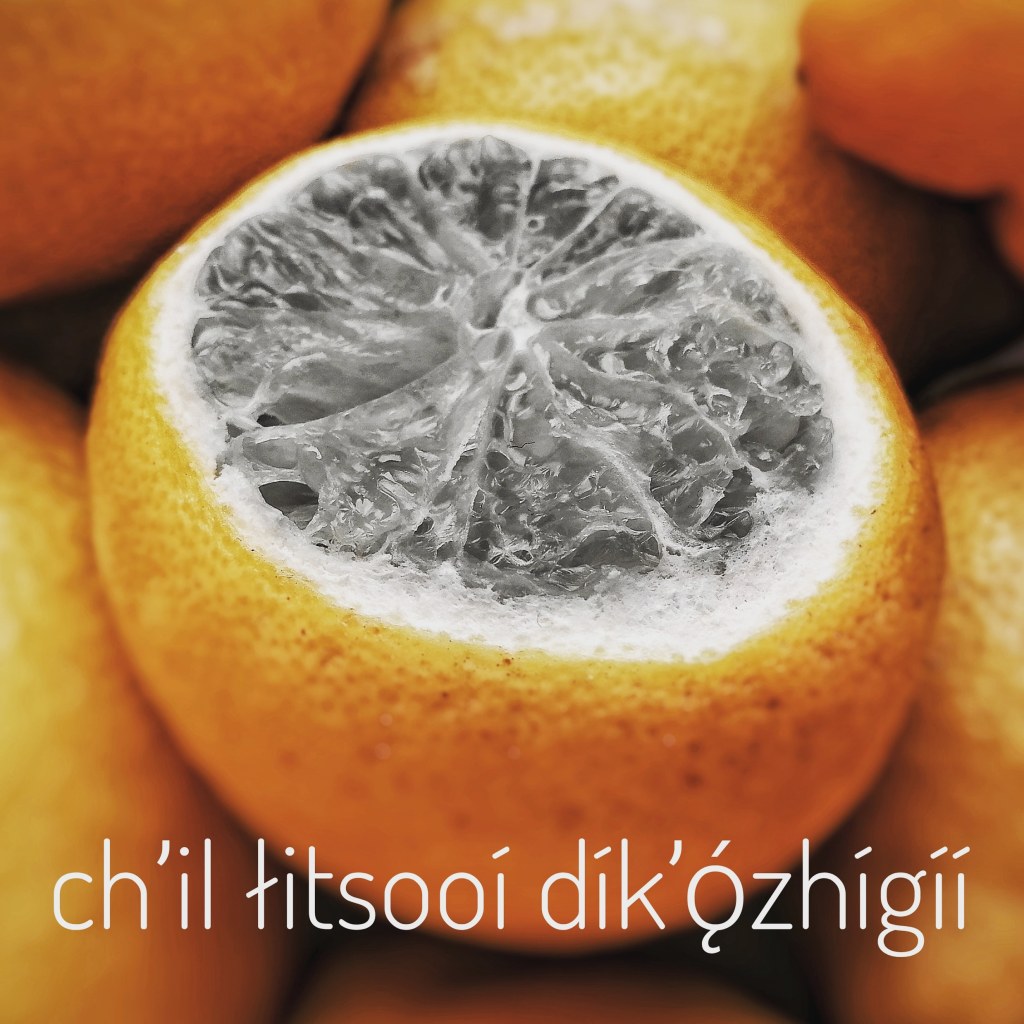
chʼil łitsooí díkʼǫ́zhígíí

chʼil łitsooí díkʼǫ́zhígíí = lemon in Navajo

Diné bizaad (or Navajo as we know it) is a fascinating Athabaskan language that never fails to amaze me with its creativity and logic.

I am not a linguist so I divide languages unprofessionally into three groups:
1) one-idea-one-word group – languages like  English, Finnish, Irish
2) many-ideas-one-word group – languages like Greenlandic
3) one-idea-many-words – languages like Navajo

So the idea called “lemon” is described in many words:
chʼil łitsooí díkʼǫ́zhígíí = a plant that is yellow and that is sour
chʼil = plant
łitso = it is yellow
díkʼǫ́ǫ́zh = it is sour

So how do you say “lime”? You just replace “łitso” (it is yellow) with “dootłʼizh” (it is green).
chʼil dootłʼizhí díkʼǫ́zhígíí” = a plant that is green and that is sour

What about “orange”? Think about the colour.
łitsxo = it is orange (about colour)
chʼil łitsxooí = a plant that is orange

And “grapefruit”? Simply add “nitsxaa” (it is really big) to the “orange”
chʼil łitsxooí nitsxaaígíí = a plant that is orange and that is really big

Photo by @lukaszdaciuk (Instagram)

#dailylogorrhoea #logorrhoea #linguistics #words #languages #focail #teangacha #słowa #języki #sanat #kielet #слова #мови #slova #jazyky #kelimeler #diller