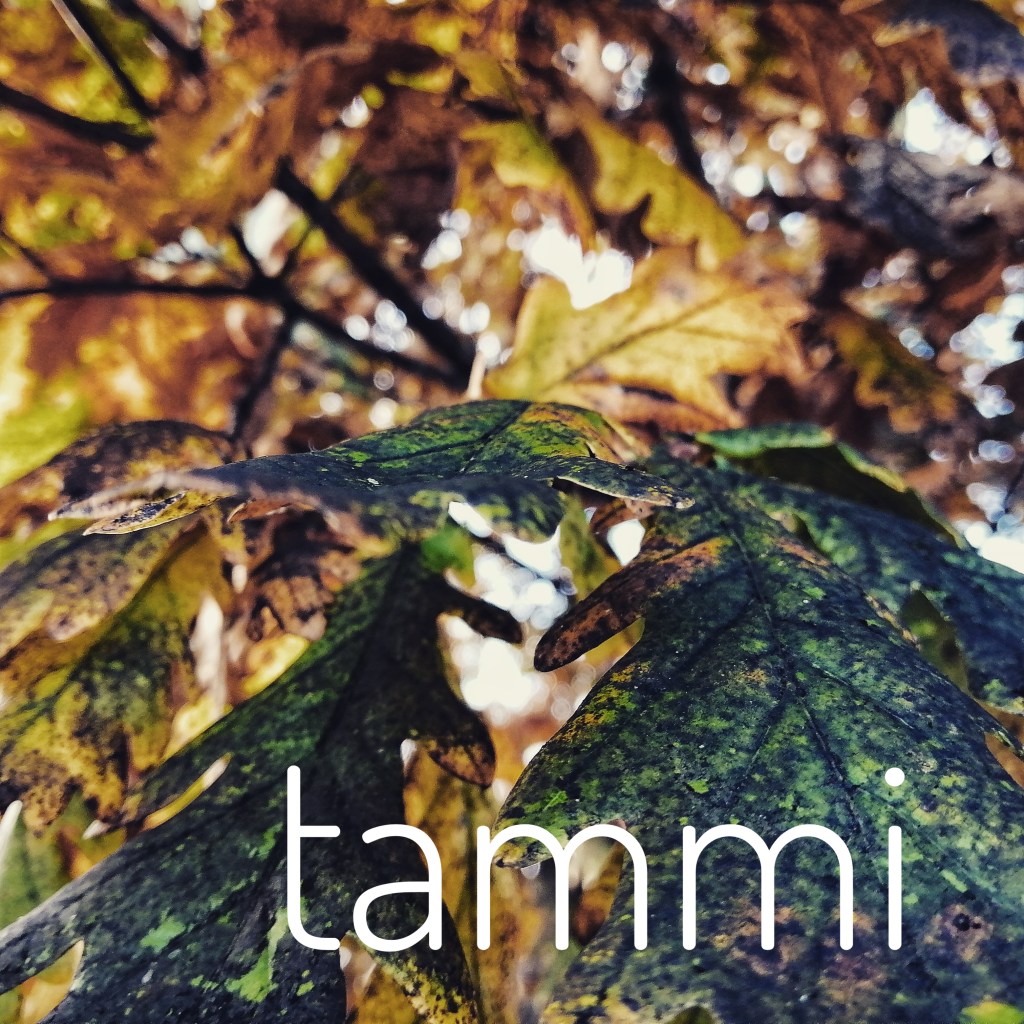
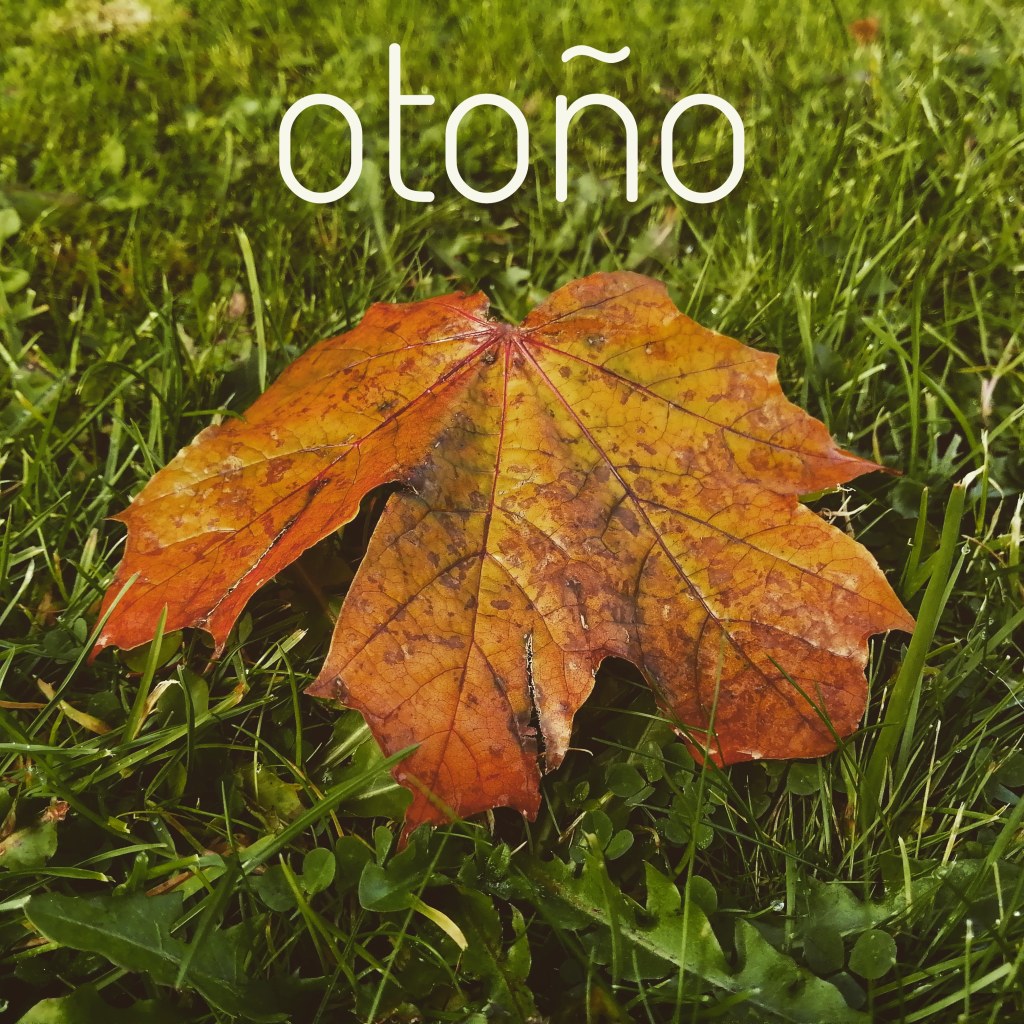
森林

森林 {sēnlín} = forest in Chinese Mandarin

One 木 {mù} is a tree but five 木s is a forest – 森林 {sēnlín}.

Photo by @lukaszdaciuk (Instagram)

#dailylogorrhoea #logorrhoea #linguistics #words #languages #focail #teangacha #słowa #języki #sanat #kielet #слова #мови #slova #jazyky #kelimeler #diller #focklyn #çhengaghyn

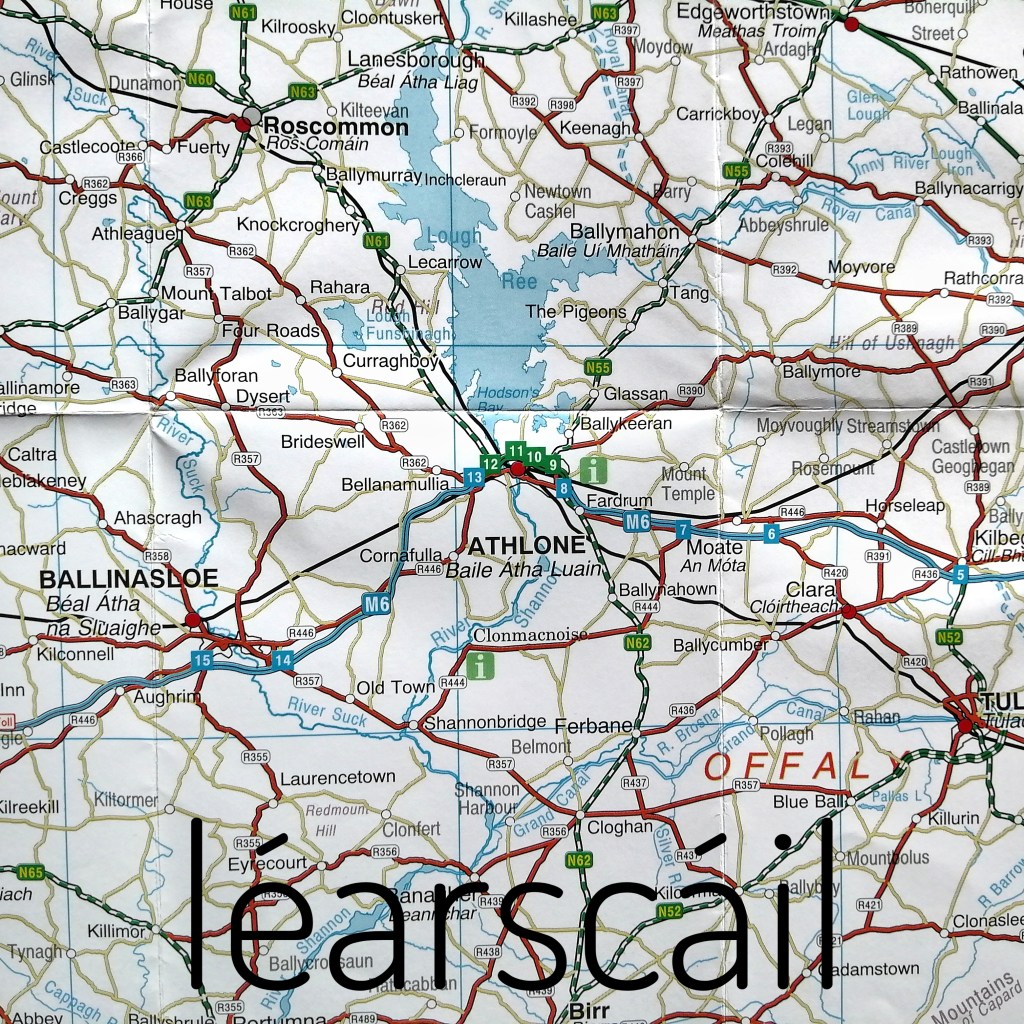
léarscáil

léarscáil = map in Irish

Most of European languages (Proto-Indo-European or not) come from the Latin “mappa mundi” or the Greek “χάρτης” {khártēs} (papyrus, paper) but just a few are original:
léarscáil in Irish
térkép in Hungarian
žemėlapis in Lithuanian
caslys in Manx

Photo by @lukaszdaciuk (Instagram)

#dailylogorrhoea #logorrhoea #linguistics #words #languages #focail #teangacha #słowa #języki #sanat #kielet #слова #мови #slova #jazyky #kelimeler #diller #focklyn #çhengaghyn

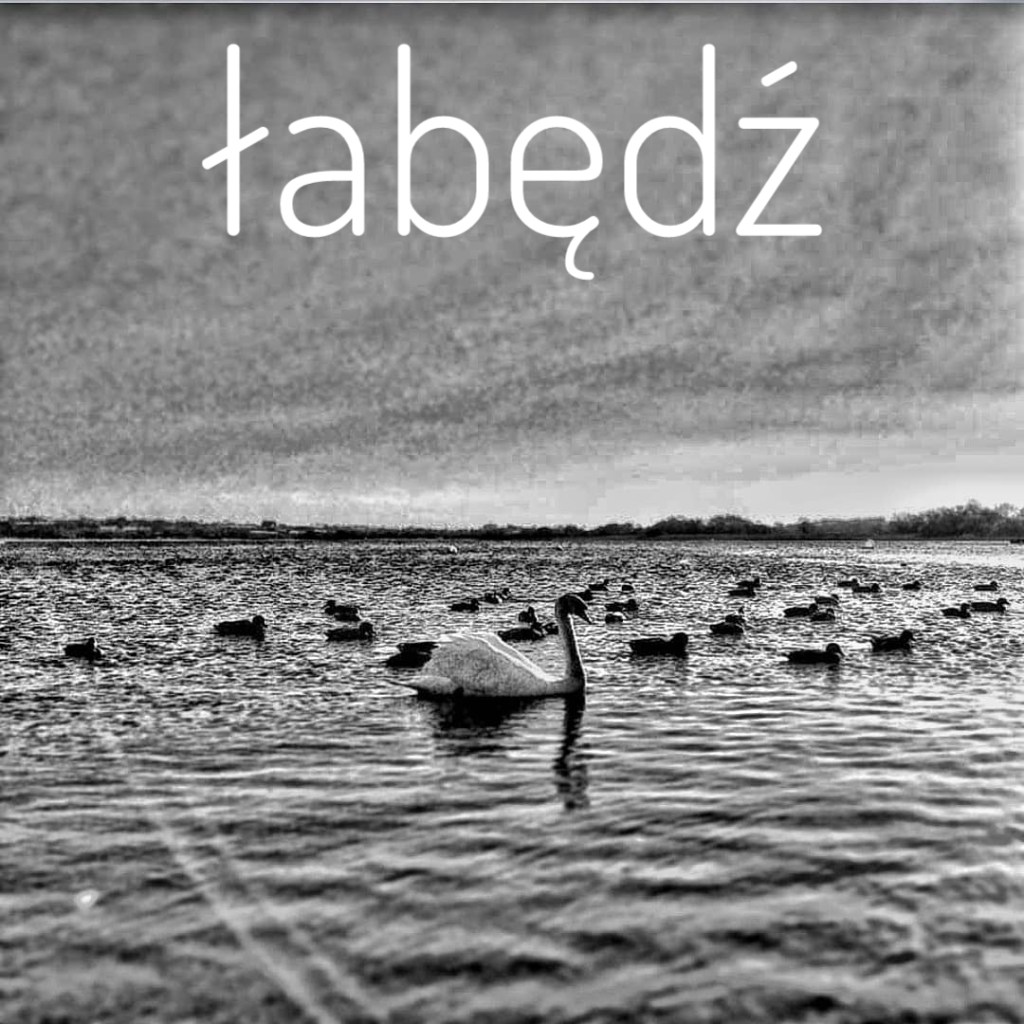
łabędź

łabędź = swan in Polish

What Polish “łabędź” (swan), Irish “Alba” (Scotland), English “Alps”, Finish “kalvas” (pale), Romanian “alb” (white) and German “Elbe” (name of European river) have in common?

They are all cognates and they come from the Proto-Indo-European word “albhós” meaning “white”. I love languages because they are connected with each other in such an inapparent way.

Photo by @lukaszdaciuk (Instagram)

#dailylogorrhoea #logorrhoea #linguistics #words #languages #focail #teangacha #słowa #języki #sanat #kielet #слова #мови #slova #jazyky #kelimeler #diller #focklyn #çhengaghyn

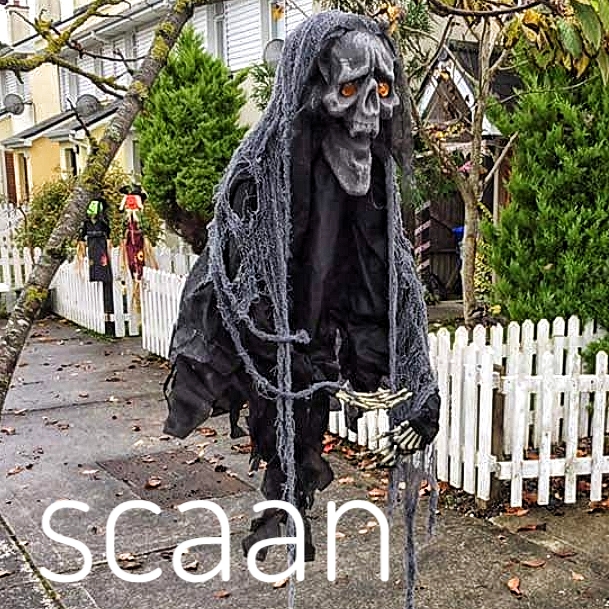
scaan

scaan = ghost in Manx

The word “scaan” comes from Old Irish “scáth” (shade, reflexion, spectre) and is a cognate with Irish “scáthán” (mirror).

Photo by @lukaszdaciuk (Instagram)

#dailylogorrhoea #logorrhoea #linguistics #words #languages #focail #teangacha #słowa #języki #sanat #kielet #слова #мови #slova #jazyky #kelimeler #diller #focklyn #çhengaghyn

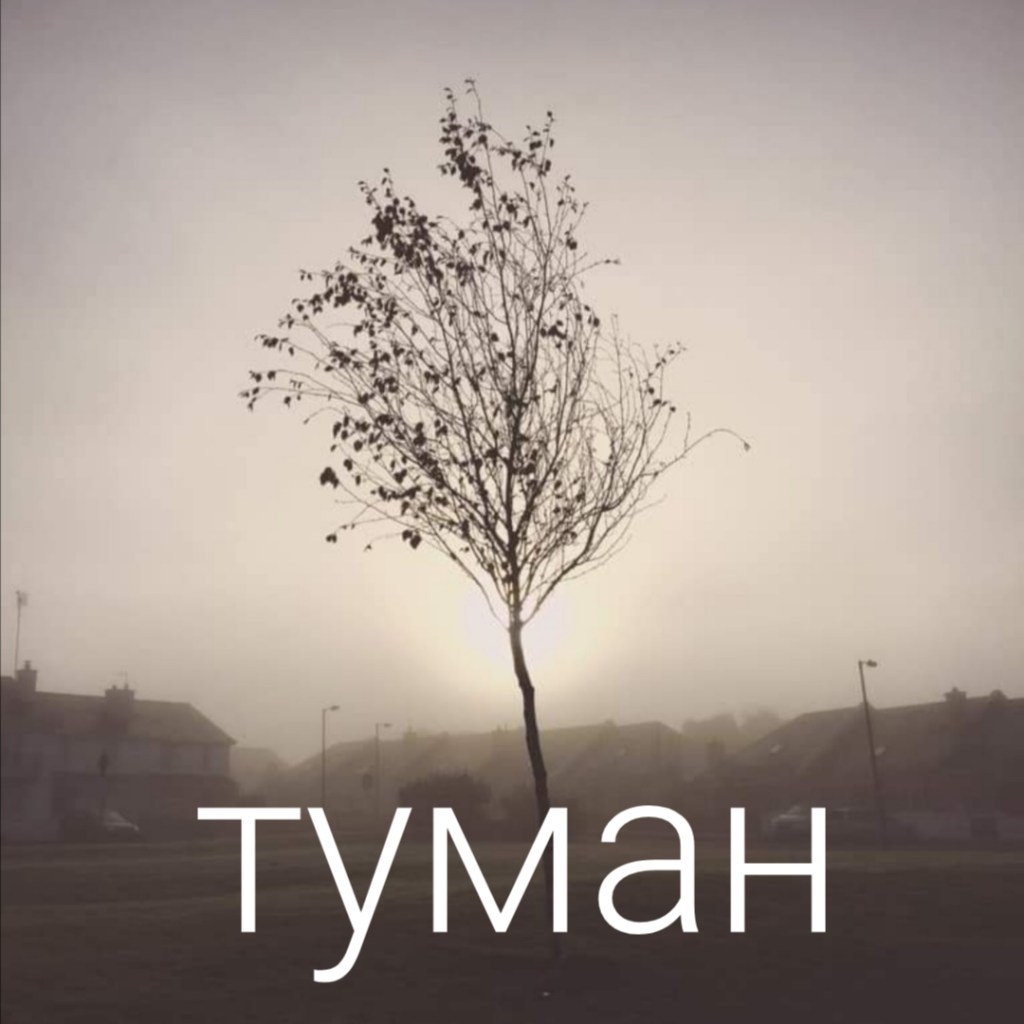
туман

туман = fog in Russian

In Slavic Languages, the word “fog” either comes from Turikic languages (Russian, Belarusian and Ukrainian “туман”) or from Proto-Indo-European (Polish “mgła”, Czech “mhla”, Slovak “hmla”, Slovenian “megla”, Lower Sorbian “mła”, Upper Sorbian “mhła”, Croatian “magla”, Serbian and Macedonian “магла”, Bulgarian “мъглa” and Rusyn “могла”).

Photo by @lukaszdaciuk (Instagram)

#dailylogorrhoea #logorrhoea #linguistics #words #languages #focail #teangacha #słowa #języki #sanat #kielet #слова #мови #slova #jazyky #kelimeler #diller

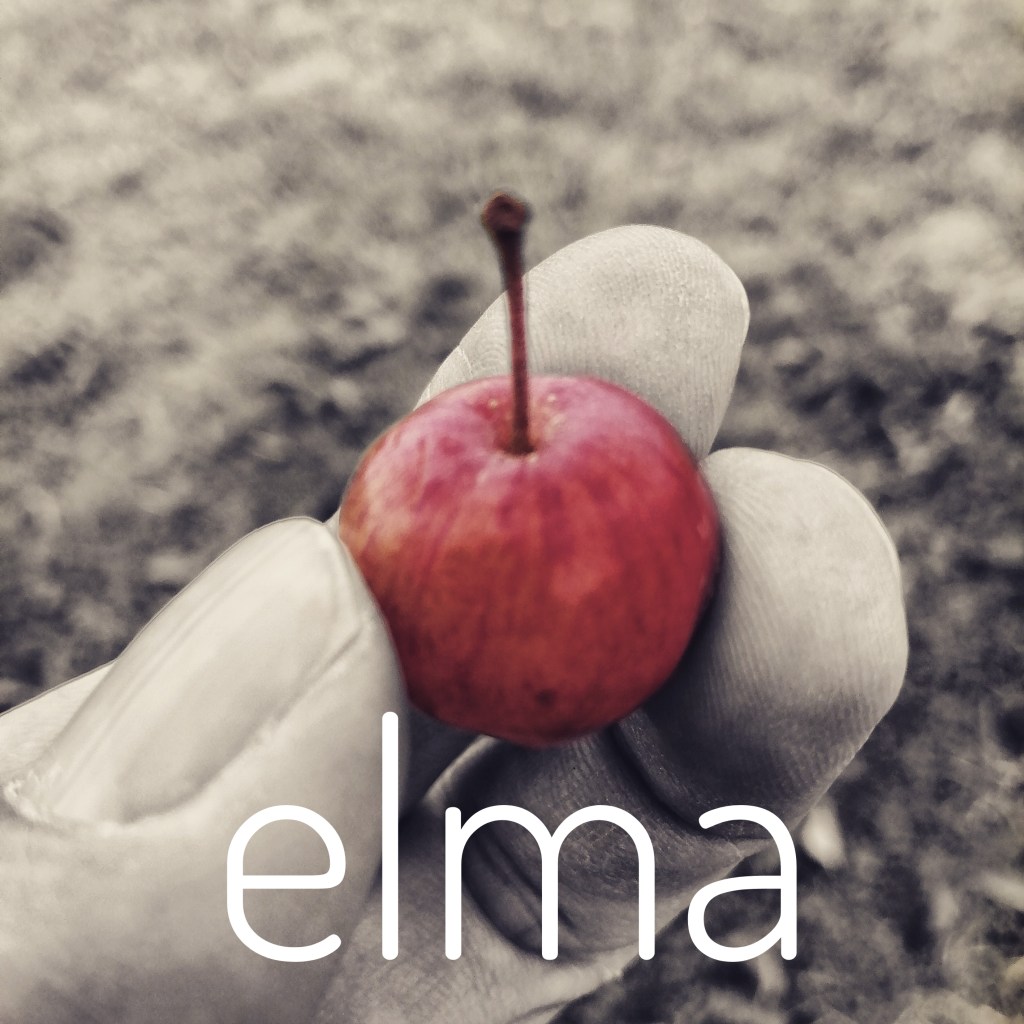
elma

elma = apple in Turkish
.
The Turkish word “elma” (apple) is an anagram of the Italian word “mela” (apple). Languages are full of amazing coincidences.

Photo by @lukaszdaciuk (Instagram)

#dailylogorrhoea #logorrhoea #linguistics #words #languages #focail #teangacha #słowa #języki #sanat #kielet #слова #мови #slova #jazyky #kelimeler #diller

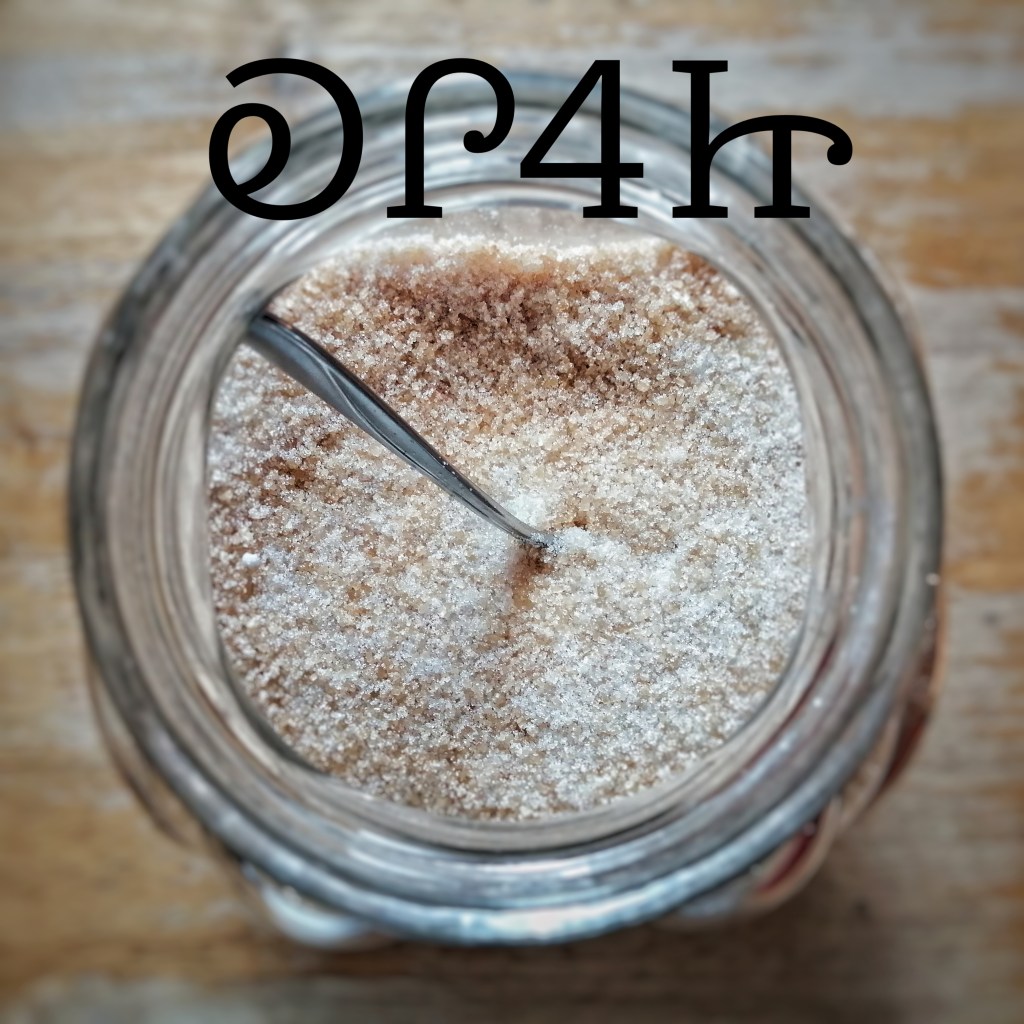
ᎧᎵᏎᏥ

ᎧᎵᏎᏥ {kalisetsi} = sugar in Cherokee

I love the Cherokee script (or to be correct the Cherokee syllabary). It was invented in early 1800s by Sequoyah, a native Cherokee, who was impressed by white people writing (“talking leaves”) and he had an idea to invent a way for his nation to talk on paper.

Some of the symbols in the Cherokee syllabary resemble Latin letters and digits but represent different sounds. For example the Cherokee call their language ᏣᎳᎩ ᎦᏬᏂᎯᏍᏗ {Tsalagi Gawonihisdi}.
Ꮳ resembles C or G but represents “tsa”
Ꮃ resembles W but represents “la”
Ꭹ resembles Y but represents “gi
and
Ꮞ (in sugar) is “se”.

Here’s the full syllabary:
Ꭰ (a), Ꭱ (e), Ꭲ (i), Ꭳ (o), Ꭴ (u), Ꭵ (v), Ꭶ (ga), Ꭷ (ka), Ꭸ (ge), Ꭹ (gi), Ꭺ (go), Ꭻ (gu), Ꭼ (gv), Ꭽ (ha), Ꭾ (he), Ꭿ (hi), Ꮀ (ho), Ꮁ (hu), Ꮂ (hv), Ꮃ (la), Ꮄ (le), Ꮅ (li), Ꮆ (lo), Ꮇ (lu), Ꮈ (lv), Ꮉ (ma), Ꮊ (me), Ꮋ (mi), Ꮌ (mo), Ꮍ (mu), Ꮎ (na), Ꮏ (hna), Ꮐ (nah), Ꮑ (ne), Ꮒ (ni), Ꮓ (no), Ꮔ (nu), Ꮕ (nv), Ꮖ (qua), Ꮗ (que), Ꮘ (qui), Ꮙ (quo), Ꮚ (quu), Ꮛ (quv), Ꮜ (sa), Ꮝ (s), Ꮞ (se), Ꮟ (si), Ꮠ (so), Ꮡ (su), Ꮢ (sv), Ꮣ (da), Ꮤ (ta), Ꮥ (de), Ꮦ (te), Ꮧ (di), Ꮨ (ti), Ꮩ (do), Ꮪ (du), Ꮫ (dv), Ꮬ (dla), Ꮭ (tla), Ꮮ (tle), Ꮯ (tli), Ꮰ (tlo), Ꮱ (tlu), Ꮲ (tlv), Ꮳ (tsa), Ꮴ (tse), Ꮵ (tsi), Ꮶ (tso), Ꮷ (tsu), Ꮸ (tsv), Ꮹ (wa), Ꮺ (we), Ꮻ (wi), Ꮼ (wo), Ꮽ (wu), Ꮾ (wv), Ꮿ (ya), Ᏸ (ye), Ᏹ (yi), Ᏺ (yo), Ᏻ (yu), Ᏼ (yv).

Photo by @lukaszdaciuk (Instagram)

#dailylogorrhoea #logorrhoea #linguistics #words #languages #focail #teangacha #słowa #języki #sanat #kielet #слова #мови #slova #jazyky #kelimeler #diller

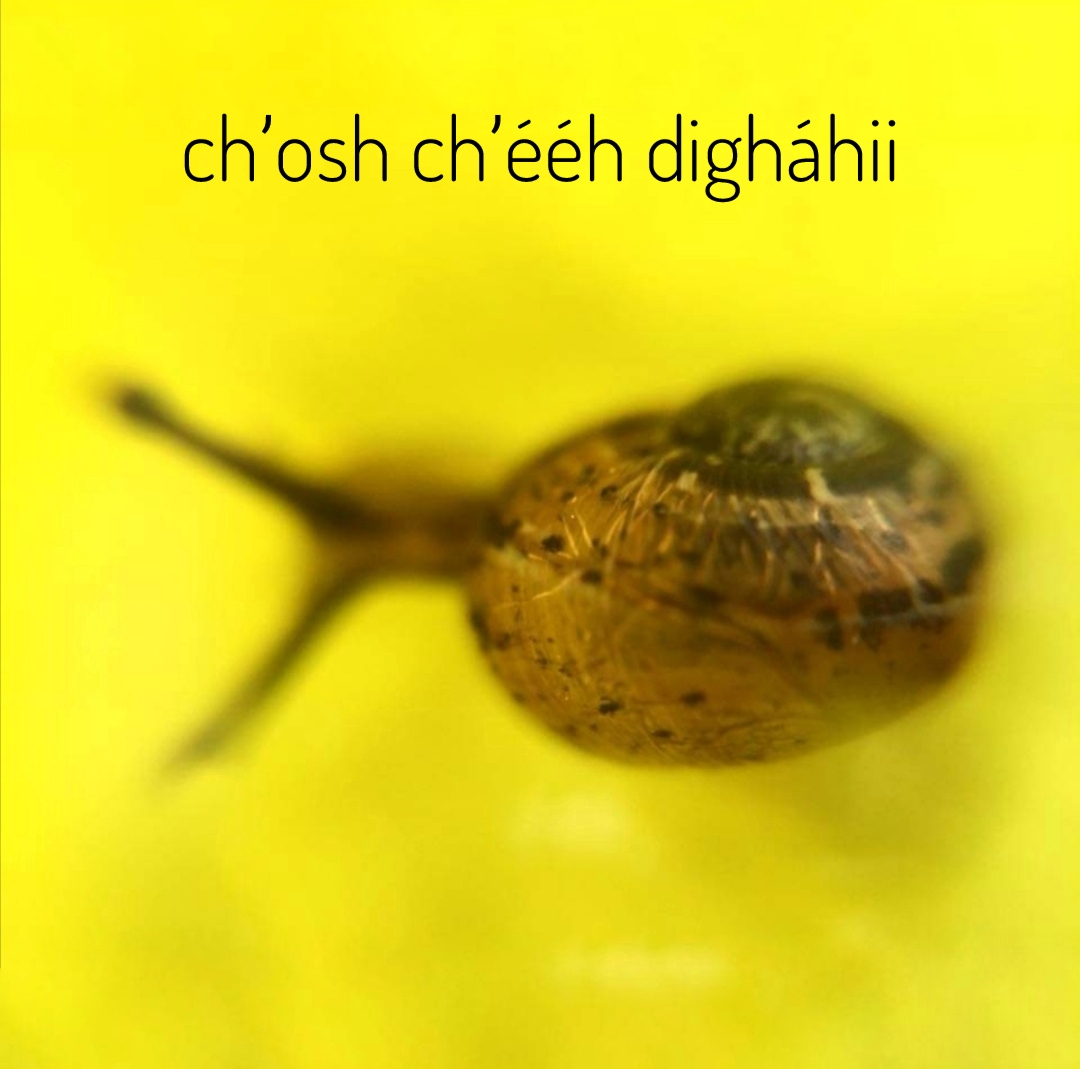
chʼosh chʼééh digháhii

chʼosh chʼééh digháhii = snail in English

The Navajo “chʼosh chʼééh digháhii” can be literally translated as “a bug that in vain starts to go along slowly”.
ch’osh = bug
ch’ééh = in vain
dighááh = it starts to go along slowly
-ii = nominaliser

It is worth to mention that “ch’ééh digháhii” means “turtle” so “chʼosh chʼééh digháhii” can be also translated as “bug turtle”.

Photo by @lukaszdaciuk (Instagram)

#dailylogorrhoea #logorrhoea #linguistics #words #languages #focail #teangacha #słowa #języki #sanat #kielet #слова #мови #slova #jazyky #kelimeler #diller #navajo

otoño

otoño = autumn in Spanish

English “autumn” and Spanish “otoño” are cognates and come from Latin “autumnus” meaning “autumn”.

Photo by @lukaszdaciuk (Instagram)

#dailylogorrhoea #logorrhoea #linguistics #words #languages #focail #teangacha #słowa #języki #sanat #kielet #слова #мови #slova #jazyky #kelimeler #diller