
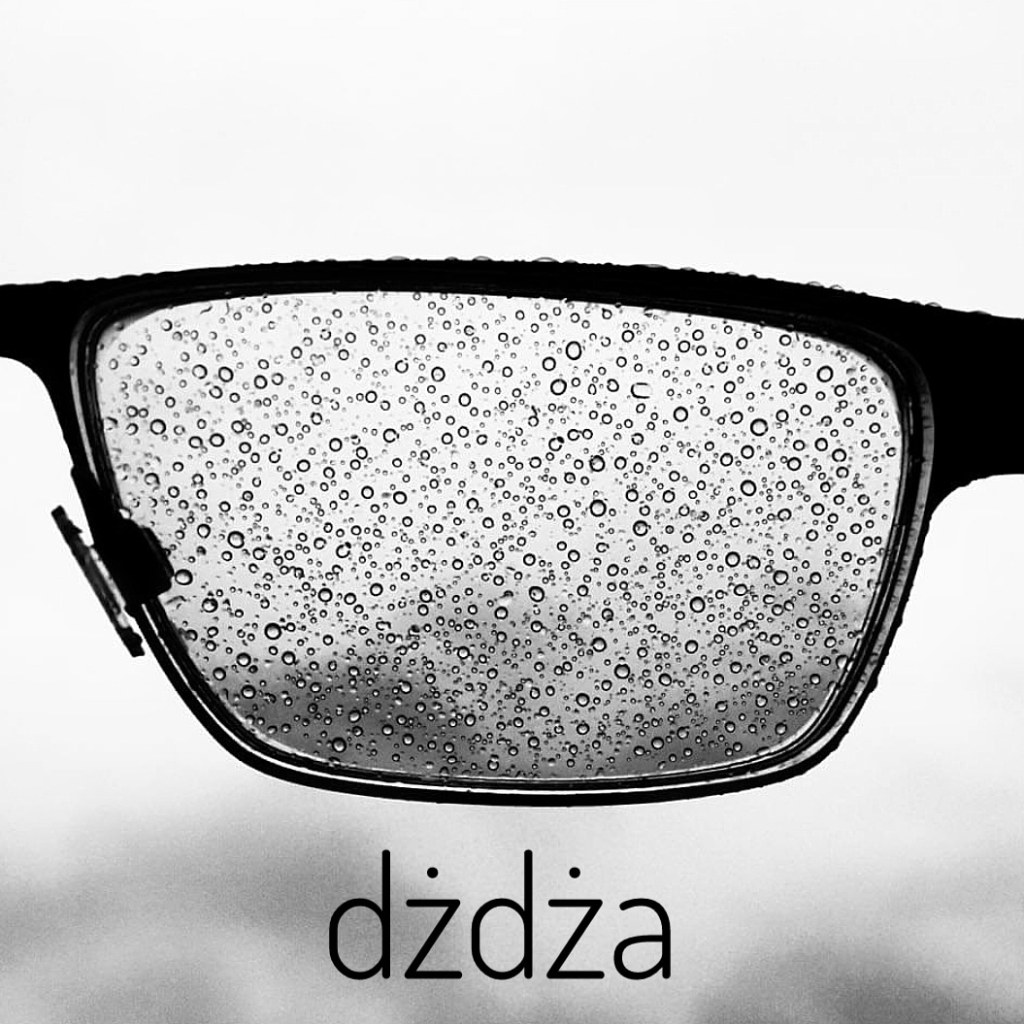
dżdża = drizzle in Polish
The word “dżdża” is in my opinion one of the stragest, if not the strangest, words in the Polish language.
It all started with the Proto-Slavic *dъždžь (rain).
*dъždžь > deżdż (Old Polish) > deszcz (Polish) – all meaning “rain”
The Old Polish “deżdż” survived in words like “dżdżyć” (to drizzle), “dżdżysty” (wet, rainy, drizzly), “dżdżownica” (earthworm) but also as a genitive form in the Polish saying “łaknąć czegoś jak kania dżdżu”, literally: to crave for something like a kite (bird) for rain, meaning “to crave for something a lot”.
And here starts the most interesting part. People forgot about “deżdż” so many thought that the nominative form of “dżdżu” is “dżdż”. There is even a humoristic poem by a well-known Polish poet, Konstanty Ildefons Gałczyński:
“Muchy brzęcza. W niebie grzmi.
Słońce świeci. Pada dżdż.”
(The flies are droning. It thunders in heaven.
The sun is shining. It is drizzling.)
Eventually the word “dżdża” was coined.
Photo by @lukaszdaciuk (Instagram)
#dailylogorrhoea #logorrhoea #linguistics #words #languages #focail #teangacha #słowa #języki #sanat #kielet #слова #мови #slova #jazyky #kelimeler #diller
 Daily Logorrhoea